Answering the common question, which cedar wood landscape edging is best for your yard? This guide highlights five durable, rot-resistant options ideal for defining garden beds, paths, and borders. Perfect for homeowners and DIY landscapers who want a natural cedar look without frequent maintenance. Each product is described with who it’s best for and a practical caveat to consider before you buy.
| Product | |||
|---|---|---|---|
| Greenes Fence 10 ft. Cedar Lawn Edging (6-Pack, 60 ft. Total) | Cedar lawn edging | Large borders, walkways, and driveways | 60 ft total, 10 ft segments |
| Deflect-O DEFLECTO RC41 6 by 10″ Cedar Lawn Edging | Cedar lawn edging | Defined garden beds and straight borders | 6″ x 10′ segment |
| Flexible Brown Natural Lawn & Landscape Border Edging (8-Pack) | Flexible edging with connectors | Custom curves and decorative borders | 8-pack, variable lengths |
| Wieghda Garden Wooden Fence Edging, Burnt Wood Finish | Fir wood edging with burnt finish | Rustic borders and curved beds | Three sections, total 12 ft |
| LINSHRY Wood Garden Fence, 8in x 12ft | Wood border edging | Protecting flower beds, sidewalks, and beds | 8in H x 12ft L |
Notes: All products listed are designed to define spaces and contain soil and mulch. They use natural wood and cedar tones to blend with most landscapes. Consider your bed shape, climate, and ease of installation when comparing options.
Greenes Fence 10 Ft Cedar Lawn Edging

Best For: Large landscape borders, driveways, and walkways where a clean, continuous cedar edge is desired. The 10 ft segments interlock easily for long, uninterrupted edging.
Why this selection: Made from naturally rot-resistant cedar, this edging preserves the yard’s neat appearance for years. Its 60 ft total length in a 6-pack format offers flexibility for bigger projects without frequent restocking.
Caution: Cedar color and texture can vary between batches, which may affect uniformity in very large installations. Plan for slight variation in shade.
Deflect-O DEFLECTO RC41 Cedar Lawn Edging

Best For: Defined garden beds and linear borders where a stable, straightforward edge is needed. Ideal for straight-edged beds along paths or driveways.
Why this selection: North American cedar edging provides clear separation and durability. Its rigid profile helps prevent mulch from spilling onto lawns.
Caution: Slightly shorter length per piece means more segments may be required for longer borders, which could affect installation time.
Flexible Brown Natural Lawn & Landscape Border Edging
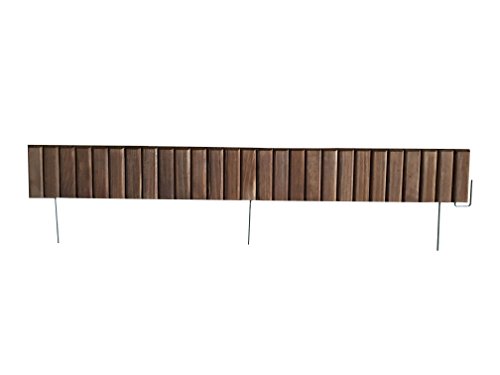
Best For: Creative borders and curved flower beds where a flexible edge design is advantageous. Perfect for custom shapes and decorative borders.
Why this selection: The edging includes a unique connector pin at the bottom, enabling easy long runs without cutting, and it’s designed for simple DIY assembly.
Caution: Flexibility can be a trade-off with edge stability; ensure proper staking or anchoring in windy or exposed areas.
Wieghda Garden Wooden Fence Edging, Burnt Wood Finish

Best For: Rustic garden sections, borders around trees, or pathways needing a natural, warm burnt wood aesthetic.
Why this selection: Premium fir wood with a burnt finish adds visual interest while providing outdoor durability. The three-section design allows for adaptable lengths up to 12 feet.
Caution: Burnt finish may vary in shade between sections; plan a uniform look if multiple sections are used side by side.
LINSHRY Wood Garden Fence Edging

Best For: Edging that blends well with natural landscapes and flower beds where a traditional brown wood tone is preferred.
Why this selection: Pine wood with high-temperature carbonization provides weather and corrosion resistance, making it a durable option for varied climates. The two-row metal wire connection strengthens the edge and minimizes slippage.
Caution: Color depth may vary by batch, so expect slight tonal differences across sections used together.
Buying Guide
What to consider when choosing cedar wood landscape edging:
- Material and durability: Cedar and fir woods resist rot better than untreated wood, extending the life of borders in damp or variable climates.
- Edge profile and ease of installation: Rigid edging is quicker for straight borders, while flexible edging helps shape curves and organic bed shapes.
- Length and scalability: For large beds, options with long segments or pack sizes reduce the number of joints and simplifies installation.
- Aesthetics: Natural cedar tones blend with most landscapes; burnt finishes and darker woods add rustic or dramatic accents.
- Installation caveats: Some products rely on connectors or wires rather than nails; ensure you have the right tools and consider staking for stability in windy areas.
What’s the right choice for your project?
- Best for large, linear borders: Greenes Fence Cedar Lawn Edging for long, continuous runs keep mulch contained and lines clean.
- Best for defined beds and straight edges: Deflect-O Cedar Lawn Edging provides sturdy, uniform sections.
- Best for curved or decorative borders: Flexible Brown Natural Border Edging lets you design unique shapes with simple connectors.
- Best for rustic aesthetics: Wieghda Burnt Wood edging adds character and can form flexible borders around beds and paths.
- Best for mixed garden styles: LINSHRY Wood Edging balances durability with a classic wood look and a secure wire connection.
Maintenance and care tips
- Inspect edges seasonally for signs of wear or shifting, especially after heavy rains or freezes.
- Check connectors or wires and re-tighten or replace as needed to maintain a crisp border.
- Clean off soil and mulch buildup to prevent moisture retention that could promote decay.
- Apply a wood sealer or stain suitable for outdoor use if you want a consistent color over time.
FAQ
- Q: Do cedar edging boards rot quickly in wet climates? A: Cedar naturally resists rot, but periodic maintenance and proper drainage improve longevity.
- Q: Can I install edging without tools? A: Some products feature connectors for easy DIY assembly, but most will require basic tools such as a hammer, mallet, or gloves.
- Q: Is flexible edging suitable for all curves? A: Flexible edging works well for many curves, but very tight angles may need careful bending or additional supports.
- Q: How do I align multiple edging pieces for a straight line? A: Use stakes or guides, lay sections on the ground first, then adjust as needed before securing.
- Q: Does color variation affect performance? A: Color variation is cosmetic and does not affect durability or performance, but it may impact aesthetics in large installations.
- Q: Which edging lasts longest? A: Most cedar and fir edging options offer long-term durability, especially with proper drainage and maintenance.