Dealing with carpenter bees requires targeted traps and safe, effective treatments. This guide highlights five practical products for homeowners who want to protect wood, decks, and siding from damage while avoiding excessive chemical use. Each option is explained for who it’s best for, why it works, and any limitations to consider. Ideal buyers include DIY homeowners seeking long-lasting outdoor fixes, those preferring non-chemical traps, and readers needing quick-acting foams for tunnels and holes.
Summary table of selected products:
| Product | Best For | Key Benefit | Limitations |
|---|---|---|---|
| Spectracide Carpenter Bee And Ground-Nesting Yellowjacket Killer Foaming Aerosol 16 Ounces | Active nests and hard-to-reach areas | Foam expands to tunnel spaces | Contains chemicals; handle with care |
| Best Bee Brothers Bee-Licious Bee Bait | Low-chem option for traps | Pheromone-based lure to attract bees away from wood | Requires placement of traps |
| RESCUE! VisiLure TrapStik for Wasps, Mud Daubers, Carpenter Bees | Non-chemical trapping | Odorless lure captures bees and wasps | Two-pack needed for best coverage |
| BB PRO Carpenter Bee Traps Outside (30 Count) | Permanent deterrent and prevention | Stainless steel mesh plugs create durable seal | Requires installation and maintenance |
| BioAdvanced Termite & Carpenter Bee Killer Plus Foam | Foam that penetrates hidden spaces | Kills termite and carpenter bee colonies | Broad-spectrum chemical; follow label directions |
Spectracide Carpenter Bee And Ground-Nesting Yellowjacket Killer Foaming Aerosol

Best for active carpenter bee tunnels and hard-to-reach nesting sites, this foaming aerosol expands to reach deep into voids where bees live. It’s designed to treat active tunnels so the insecticide disperses through the nest. Also effective against ground-nesting yellowjackets when holes are observed.
Who this is best for: homeowners needing a fast, spray-in foam to reach concealed nests and shared nesting spaces. Why selected: it directly targets active bee tunnels and provides an extension tube for precision application. Caution: avoid spraying near plants or water sources and follow label safety instructions to minimize exposure.
Best Bee Brothers Bee-Licious Bee Bait

All-natural carpenter bee lure bait designed to attract bees to traps rather than your woodwork. The product uses a pheromone-based formula to pull carpenter bees into traps, reducing the risk of structural damage. Easy to apply with a squeeze tube and formulated to be safe for households with pets and children when used as directed.
Who this is best for: homeowners preferring non-toxic, pheromone-based trapping strategies. Why selected: it complements trap systems by increasing bee capture rates while avoiding heavy chemical use. Caution: effectiveness depends on proper trap placement and maintenance; replace bait as indicated by the packaging.
RESCUE! VisiLure TrapStik for Wasps, Mud Daubers, Carpenter Bees – 2 Pack
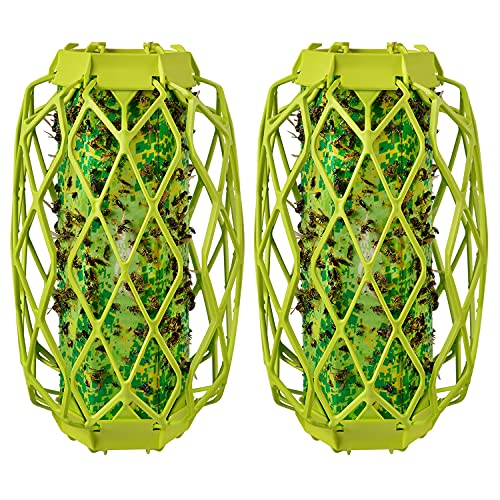
These odorless, chemical-free traps lure and catch carpenter bees, wasps, and mud daubers without introducing sprays. The TrapStik design includes glue-based surfaces and guard features to reduce non-insect catches, offering a humane and low-odor option for outdoor spaces. Best for seasonal use and for readers who want non-chemical control.
Who this is best for: households seeking a non-spray approach to reduce bee activity near entry points. Why selected: traps capture queens and workers across spring to fall, helping control populations without residual chemical exposure. Caution: ensure traps are positioned away from high-traffic walking areas to avoid unintended contact.
BB PRO Carpenter Bee Traps Outside – 30 Count Kit

This outside trap and deterrent kit uses a permanent structural seal approach with 304 stainless steel mesh plugs to create an obstruction that carpenter bees cannot penetrate. It’s ideal for decks, siding, fascia boards, and eaves, offering a durable, long-term solution without relying on sprays. Best for homeowners who want a lasting barrier rather than ongoing chemical treatments. Limitation: installation requires some planning and ongoing maintenance to keep the traps free of debris.
BioAdvanced Termite & Carpenter Bee Killer Plus Foam

Foam expands up to 30 times to reach hidden areas where termites and carpenter bees may nest. It kills active termites and carpenter bees and targets other listed wood-infesting pests. Choose this if you want a foam that penetrates cracks and voids for broad coverage in walls and structural spaces. Caution: it is a broader-spectrum product; follow label instructions to protect non-target insects and surfaces.
Buying Guide: Key Purchase Considerations
What should you consider before buying carpenter bee controls?
- Target area: Are you dealing with visible tunnels, hidden voids, or surface-dwelling insects?Foam aerosols work well for interior cracks and tunnels, while traps are better for outdoor monitoring and capture.
- Application method: Do you prefer sprays, traps, or structural retrofit like stainless steel plugs? Choose based on your home’s exterior material and ease of installation.
- Chemistry vs. non-chemical: If you want low-odor, non-chemical solutions, traps and pheromone baits are advisable. For quick elimination of active colonies, foams may be necessary but require careful handling.
- Area safety and pets: Some products contain potent insecticides. Consider sprays away from pets, children, and edible gardens. Follow all label directions precisely.
- Longevity and maintenance: Permanent deterrents (mesh plugs) require little ongoing maintenance, whereas traps need periodic cleaning and bait replacement for continued effectiveness.
- Environmental impact: Opt for non-toxic, odorless options when possible to minimize impact on beneficial insects and local wildlife.
How to Choose By Scenario
- New wood structures with early signs of bee activity: Use permanent deterrents like BB PRO mesh plugs plus occasional traps for ongoing monitoring.
- Active tunnels inside wood or wall voids: Foaming aerosols from Spectracide or BioAdvanced foam can reach deep into cavities to disrupt nests.
- Preference for chemical-free control: VisiLure traps and Best Bee Brothers bait provide trap-based strategies with minimal chemical exposure.
- Large outdoor areas with recurring nesting: A combination of traps (TrapStik and 2-pack options) with deterrent traps can cover more ground.
FAQ
- What is the most effective method to stop carpenter bees from returning?
A combination of durable deterrents (like stainless steel mesh plugs) and monitoring traps can prevent nesting and reduce future activity. - Can I use these products around a wooden deck safely?
Yes, but follow label directions and avoid spraying near food areas or pets. For non-chemical options, place traps away from high-traffic zones. - Do foaming aerosols reach all carpenter bee tunnels?
They expand into cracks and voids, helping to distribute the insecticide through the nest, but deep or complex nests may require multiple applications. - Are there non-chemical ways to protect wood?
Yes. Traps and permanent deterrents provide non-chemical control and help lower bee activity around structures. - How long do traps need to be active to see results?
Traps typically require several weeks to months of monitoring to reduce populations, depending on bee activity seasonality. - Should I hire a professional for carpenter bee removal?
For large infestations or structurally compromised wood, a professional assessment is advised.