You’re looking for white Camellia japonica varieties that fit home gardens and landscapes. This guide features five white-flowered camellias in the japonica group, highlighting who each plant is best for, planting needs, and practical tips. The top picks cover container-friendly options, border plants, and larger focal specimens. Use the comparison notes to choose what’s best for sun exposure, soil, and space. Below is a quick buying table to help you compare at a glance.
| Product | Size / Pot | Best For |
|---|---|---|
| Live White Camellia Plant in 4″ Pot | 4″ pot, 6-8″ tall | Small spaces, container gardens, shaded to part-shade areas |
| Camellia Plant Live, White Camellia | 4″ pot, 10–12″ tall | Early color in perennial beds and borders, partial shade |
| White By The Gate Camellia Japonica | 2 gallon pot, 6-8 ft mature height | Focal point or hedge, larger landscaped beds, partial shade |
| October Magic Ivory Camellia | 1 gallon pot, 4-5 ft mature size | Foundation plantings, shaded or part-shade borders |
| Camellia Japonica Rebel Yell I | 3 gallon, large pink-white blooms | Colorful accents in smaller gardens or patios |
Live White Camellia Plant in 4″ Pot

Features: White color, 6-8″ tall, grows in full sun to partial shade. Best for small containers or entryway borders where space is limited. This young seedling is suitable for gardeners who want a quick, compact white camellia for early-season interest. A limitation is its small size; it will need careful placement and consistent moisture as it establishes.
Camellia Plant Live, White Camellia
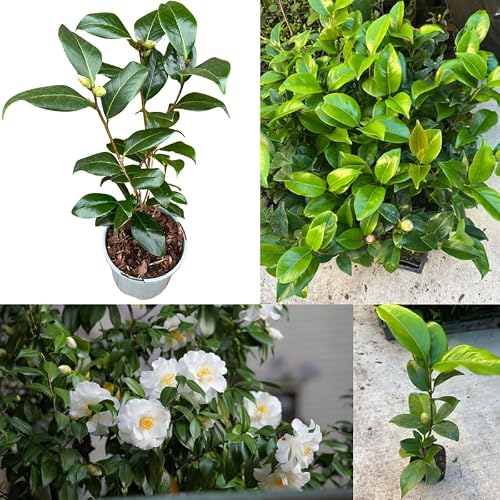
Features: 4″ pot, 10–12″ tall, well-rooted and ready for planting. Produces blooms from late winter through spring. Best for USDA Zones 7–10; thrives in partial shade and moist, well-drained soil. Choose this if you want a taller, ready-to-plant white camellia for mid-border accents and garden massing. Limitation: may require winter protection in colder microclimates.
White By The Gate Camellia Japonica Plant

Features: Mature size 6-8 feet tall and 4-6 feet wide; large double white flowers; thrives in partial shade with acidic, well-drained soil. Best for a statement focal plant or a hedge. Limitation: larger adult size requires more space and longer-term planning for garden structure.
October Magic Ivory Camellia Plant

Features: White blooms in fall and winter; typically 4-5 feet tall and wide; partial to full shade; prefers well-drained, acidic soil. Best for seasonal color during the off-peak bloom period and for shaded borders. Limitation: fall-winter flowering window may limit year-round color unless paired with other bloomers.
Camellia Japonica Rebel Yell I

Features: Extra large 3 gallon plant; white and pink stripe blooms; glossy dark green foliage. Best for small spaces, patios, and urban gardens where a bold, compact plant is desired. Limitation: flowering color can vary with light exposure and microclimate; ensure adequate winter protection in colder zones.
Buying Guide
What size should I choose for my space?
For small spaces, select plants in 4″ pots or 1-3 gallon containers that stay compact. For landscape borders or focal points, choose larger plants that reach their mature size more quickly. Consider eventual height and width to prevent overcrowding and to match your planned border or focal area.
What sun and soil conditions matter most?
Most camellias prefer partial shade and acidic, well-drained soil. Avoid strong afternoon sun in hot climates, which can scorch leaves and reduce blooming. Soil should be consistently moist but not waterlogged; mulch helps preserve moisture and soil acidity.
Are white camellias prone to any care issues?
White-flowered japonicas are generally pest-tolerant but may suffer from common garden issues such as scale, aphids, or root rot if soil drainage is poor. Regular light pruning after flowering helps maintain shape and air circulation. Protect blooms from late frost in transitional climates.
Which plant is best for a hedge or focal point?
For a hedge or formal focal point, larger varieties like White By The Gate Camellia Japonica are preferred due to their mature size and lush bloom displays. For container gardens or mass plantings, compact 4″ pot plants are ideal and easier to manage in limited space.
How do I landscape with white camellias?
Combine white camellias with evergreen shrubs for year-round structure, and plant with companion flowering plants that bloom in different seasons to extend garden interest. Use contrasting foliage textures—glossy greens with matte leaves—to highlight blooms. Group plants in odd-numbered clusters for a naturalistic effect.
Care reminders for year-round beauty
- Water consistently during dry periods, especially in new plantings.
- Mulch to maintain soil moisture and acidity.
- Feed with a balanced, acid-loving plant fertilizer in spring after blooming.
Frequently Asked Questions
- What is the best climate for camellia japonica white varieties?
They do well in USDA Zones 7–9 or 10 with partial shade and acidic soil. In colder zones, provide winter protection or choose more cold-hardy cultivars.
- Do white camellias bloom year-round?
Most japonica camellias bloom in late winter to spring, with some varieties offering additional flushes depending on climate. Fall-blooming camellias are less common in the japonica group.
- Can camellias grow in containers?
Yes. Choose compact varieties or smaller plants in breathable containers with well-draining soil. Ensure the pot has drainage holes and provide regular moisture in warm months.
- How much space do these plants need at maturity?
Smaller potted camellias stay manageable in containers; larger varieties like White By The Gate can reach several feet (6-8 ft tall and 4-6 ft wide). Plan for the mature size to avoid crowding.
- When should I prune camellias?
Prune after flowering to shape and improve air circulation. Avoid pruning too late in the season, which can remove next season’s budding shoots.
- Are there any toxicity concerns for pets?
Camellias are generally not considered highly toxic to cats or dogs, but all ornamental plants can cause mild gastrointestinal upset if ingested. Monitor pets and consult a vet if ingestion occurs.