Camellia japonica brings timeless elegance to American landscapes, offering glossy foliage and lush blooms across winter into spring. This article highlights five standout Camellia japonica selections from Life Nursery & Garden, showcasing varieties that perform well in shade, provide showy blossoms, and require minimal drama in maintenance. Each option is suitable for specimen plantings, hedges, borders, and container setups, helping you achieve refined beauty with dependable growth.
Summary Table
| Product | Type | Bloom Period | Key Qualities |
|---|---|---|---|
| (1) Debutante Pink Camellia Japonica | Starter Plant | Mid to late season | Large pink blooms, shade-friendly |
| (1) Tri Color Camellia Japonica | Starter Plant | Varies; spring preview | Variegated blooms, candy-stripe hues |
| Nuccios Pearl Camellia Japonica | Starter Plant | Mid-season | Fully double white petals with orchid pink blush |
| Pink Perfection Camellia Japonica | Starter Plant | Feb–April | Medium pink formal doubles, upright habit |
| Sea Foam Camellia Japonica | Starter Plant | March–April | Pure white, late season bloom, vigorous foliage |
Debutante Pink Camellia Japonica

Life Nursery & Garden’s Debutante Pink Camellia Japonica features an upright growth habit and large, light pink blooms that measure about 4–6 inches across. It thrives in slightly acidic soils with filtered sun to full shade and is well-suited for shade gardens, woodland plantings, flowering evergreen hedges, specimen plantings, or large container setups. Blooms appear mid to late season, spanning January to March, while dark glossy leaves provide year-round visual interest. This cultivar offers a reliable option for gardeners seeking dramatic bloom on a compact to medium-sized shrub.
Tri Color Camellia Japonica
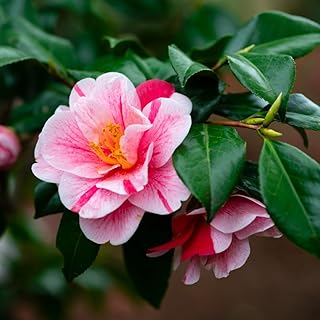
The Tri Color Camellia Japonica offers a striking variegated bloom with hues of pink, white, and red, often displaying entirely red blossoms. It is a vigorous grower that tolerates some sun and is an excellent seed parent, carrying the candy-stripe gene. This plant works well as a specimen, informal hedge, border filler, or container planting. Pollinators are attracted to its nectar, and gardeners enjoy a vivid spring preview as the blooms emerge each year.
Nuccios Pearl Camellia Japonica
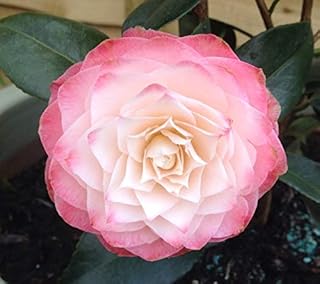
Nuccios Pearl presents pure white, fully double blooms with an orchid pink blush, set against glossy, dark-green foliage. It adds a formal, elegant appearance to any garden and blooms in mid-season. The shrub tends to grow slowly with a neat upright to spreading habit, making it suitable for borders, foundation plantings, or accent specimens in traditional Southern landscapes. Its heritage appeal and consistent performance make it a dependable choice for refined gardens.
Pink Perfection Camellia Japonica
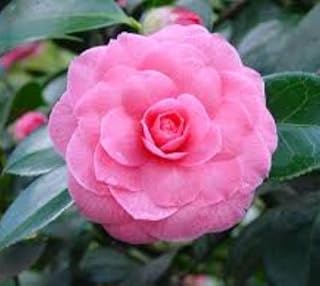
Pink Perfection features dark, glossy oval leaves and thrives in slightly acidic soils with filtered sun to full shade. It is a dependable older variety known for mid-season production of medium-sized pale pink, formal double flowers. Growth is upright and compact, with mature heights around 8–10 feet and widths of 6–8 feet, making it a versatile choice for shade gardens, hedges, or focal container displays in zones 7b–10. Its classic form pairs well with other Camellias and woodland companions.
Sea Foam Camellia Japonica

Sea Foam is a classic large double rose-form camellia with pure white petals. It is valued for its late-season bloom, typically March to April, which helps avoid early freeze damage in cooler regions. This vigorous selection suits shade gardens, woodland plantings, hedges, and container displays while offering lush, enduring foliage. Sea Foam’s clean, white blossoms bring a timeless grace to mixed borders and formal plantings alike, contributing to a serene, refined garden aesthetic.
Buying Guide
- Light and soil: Camellia japonica generally prefers partial shade and acidic, well-draining soil rich in organic matter. Avoid sites with hot afternoon sun in hotter climates to prevent leaf scorch.
- Water and mulch: Provide regular, deep watering during dry spells. Mulch to preserve moisture and regulate soil temperature, but keep mulch away from the trunk to prevent rot.
- Pruning: Minimal pruning is typically required. Remove dead or crossing branches after flowering to maintain shape and air circulation. Late winter or early spring pruning can shape the plant without sacrificing blooms.
- Bloom expectations: Camellias bloom in late winter to spring, with some cultivars offering mid-season or extended bloom windows. Expect variations in bloom color and size, even within a single cultivar.
- Maintenance considerations: Choose cultivars with growth habits that fit your space. Upright varieties work well in borders and hedges, while compact types suit containers and smaller landscapes.
- Companion plantings: Pair with shade-tolerant perennials such as ferns, hostas, or hellebores to create layered interest and a cohesive woodland garden look.
- Pest and disease awareness: Camellias can be susceptible to scale, aphids, and camellia leaf gall in some regions. Regular inspection helps catch issues early; consider resistant or resilient cultivars when available.
- Landscape goals: For a classic, formal look, plant multiple Camellia japonica varieties with staggered bloom times. For a natural shade garden, mix with native understory plants to create depth and seasonal shifts.