Find the right butterfly nectar feeding station to invite fluttering visitors to your yard. This guide identifies five top options, explaining who each feeder suits best and why. Whether you want color, durability, or ease of cleaning, these picks cover common needs for hobbyists, educators, and casual garden enthusiasts alike. Use the table below to compare key features at a glance and then read detailed insights for each model.
| Product | Best For | Nectar Capacity | Notes |
|---|---|---|---|
| Deluxe Butterfly Feeder (Set of 2) – Outdoor Feeder | Colorful gardens; frequent visitors | Multiple stations | Flower landing pads; easy-fill reservoir |
| Songbird Essentials SE78200 Butterfly Feeder | Beginner setups; quick learning | 6 oz | Bright colors; easy to assemble |
| Birds Choice Flutterby Butterfly Feeder | Durable outdoor use; larger nectar/fruit mix | 12 oz nectar tray | Ultraviolet-reflective color; built-in ant moat |
| Butterfly Feeder – Outdoor Ceramic Puddler | Garden decor; natural look | N/A (ceramic bowl) | Glass beads and minerals; sun-friendly design |
| Insect Lore Butterfly Feeder Kit | Educational setups; kids’ gardens | Recessed reservoirs | Colorful landing pads; nectar recipe |
Deluxe Butterfly Feeder (Set of 2) – Outdoor Feeder

The Deluxe Butterfly Feeder is a landing pad style system designed for outdoor spaces with easy-fill reservoirs. This set includes two feeders, which helps gardeners create multiple nectar stations to attract more butterflies. Its design emphasizes accessibility for refilling and cleaning, making it a practical choice for busy yards. Best for households that want multiple feeding points without complicated assembly.
Who this is for: gardeners who want a simple, reliable setup that maximizes butterfly visits across different garden zones. Why chosen: dual stations increase bloom-to-butterfly encounters and are easy to maintain. Caution: ensure nectar is refreshed regularly to prevent mold or spoilage in warm weather.
Songbird Essentials SE78200 Butterfly Feeder
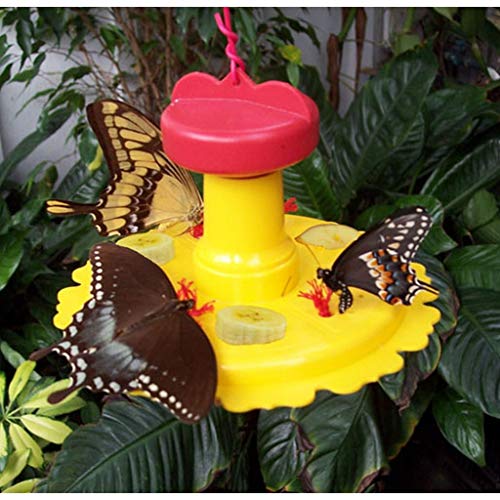
The Songbird Essentials Butterfly Feeder offers a compact, single-unit design with a 6 oz nectar capacity. Its bright yellow and red palette is intended to lure butterflies, while its straightforward assembly and cleaning routine make it ideal for beginners or casual hobbyists. This feeder works well for smaller gardens or balcony setups where space is at a premium.
Who this is for: first-time butterfly feeders or apartment/condo gardeners looking for a low-maintenance option. Why chosen: simple, quick setup and clear nectar refilling steps help avoid early frustration. Caution: monitor nectar levels to avoid spillover during windy days, which can attract other insects.
Birds Choice Flutterby Butterfly Feeder

Birds Choice Flutterby focuses on a broader nectar-and-fruit approach, with a 12 oz nectar capacity and fruit trays. Its ultraviolet-reflective color design is intended to attract more butterflies, while an integrated ant moat helps keep nectar accessible to butterflies rather than pests. The construction uses high-impact polycarbonate for durability, and the top-rack dishwasher safe feature aids cleaning.
Who this is for: yards that want a higher-capacity feeder with insect deterrents and easy cleaning. Why chosen: versatility with nectar plus fruit trays supports a wider range of butterfly preferences. Caution: polycarbonate feeders can become cloudy over time with mineral buildup; periodic cleaning helps maintain clarity.
Butterfly Feeder – Ceramic Puddler
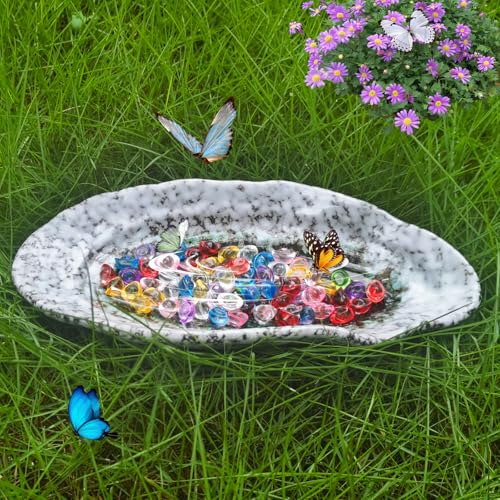
This outdoor ceramic puddler is both a functional feeder and garden decor. The design uses a glass bead and mineral water setup to attract butterflies by creating a calm, mineral-rich water source. It aims to mirror a natural moisture spot in a garden, appealing to butterflies that prefer a gentle mineral environment. Best for ornamental settings where aesthetics matter as much as function.
Who this is for: gardeners who want a charming, decorative feeding station that still serves as a functional nectar source. Why chosen: the combination of natural materials and the mineral-water approach can be visually appealing. Caution: ceramic pieces can be fragile outdoors in freezing weather or high winds; place them where they won’t topple easily.
Insect Lore Butterfly Feeder Kit

The Insect Lore Butterfly Feeder Kit is designed with learning in mind. It includes nectar reservoirs, landing pads in orange, yellow, and white to attract live butterflies, color coordination with a kid-friendly educational angle. Recessed nectar reservoirs provide options for nectar-soaked sponges or live caterpillar cups, and the included nectar recipe supports straightforward use. This kit suits educational settings or family gardens that want an interactive experience for children.
Who this is for: educators, homeschool projects, or families seeking an engaging butterfly activity. Why chosen: the kit emphasizes hands-on learning and visible butterfly activity. Caution: ensure proper supervision when using live caterpillars or nectar to avoid mold or spoilage in hot weather.
Buying Guide: Key Considerations for Choosing a Butterfly Nectar Feeding Station
- Capacity and feeding frequency: Larger nectar reservoirs reduce refills but may attract more ants or other insects. Pick a size aligned with your garden’s butterfly traffic and your maintenance tolerance.
- Design and stability: Landing pads, tray shapes, and materials affect durability and ease of use. Durable plastics or polycarbonate tend to last longer in sun, while ceramic options offer aesthetic appeal but can crack in cold weather.
- Attractants and variety: Some feeders include fruit trays or color cues to attract different butterfly species. If you want a broader appeal, choose setups that offer multiple attractants.
- Maintenance: Easy-clean designs and dishwasher-safe components save time and reduce mold risk. Check for removable reservoirs or modular parts for thorough cleaning.
- Weather suitability: Consider wind, rain, and sun exposure. Sturdy mounting options or stakes help prevent topple-overs in outdoor spaces.
- Educational value: If teaching children, kits with labeling, different colored landing pads, and nectar recipes can enhance learning experiences.
Frequently Asked Questions
- What nectar mix should I use for butterfly feeders?
Most feeders come with a nectar recipe or recommended mix. Use a simple 4:1 water-to-sugar ratio, and avoid honey or artificial sweeteners, which can be harmful to butterflies.
- How often should I refill or clean a butterfly feeder?
Refill and clean when nectar appears cloudy or after several hot days. Regular cleaning prevents mold and bacterial growth that can harm butterflies.
- Are there benefits to using fruit in butterfly feeders?
Fruit trays can attract a broader range of species and extend feeding through the day, but ensure fruit is fresh and not spoiled to avoid attracting pests.
- Can butterfly feeders be used indoors?
Yes, provided there is adequate light and access to fresh air. Indoor use is common in classrooms and sunrooms, but outdoor placement generally yields higher butterfly activity.
- What should I consider for installation and placement?
Place feeders in open, sunny spots away from strong wind. Elevate them if possible to minimize ground-dwelling pests, and ensure safe distances from pets.
- Which feeder is best for beginners?
A simple, single-unit design with easy cleaning, like the Songbird Essentials SE78200, is often most approachable for first-time buyers.