Finding durable shrubs and perennials that thrive in shade can be a challenge, but the right selections bring year-round color, texture, and structure to any yard. This guide highlights five hardy options that perform well in low- to partial-sun locations, with notes on growth habits, climate zones, and care. Use the quick reference table below to compare the featured plants at a glance.
| Product | Brand | Shade Tolerance | Key Benefit |
|---|---|---|---|
| 2 Gal. Obsession Nandina Shrub | Southern Living | Part shade to sun | Seasonal leaf color and four-season interest |
| 1 Gallon The Pink Double Knock Out Rose Shrub | Knockout | Part shade | Bright pink flowers and reliable bloom |
| Perennial Farm Marketplace Juncus effusus (Common Soft Rush) | Perennial Farm Marketplace | Sun to part shade | Grassy texture, water-friendly habit |
| 3 Big & Giant Hosta Perennial Mix | GardeningProducts4Less | Shade | Massive foliage with butterfly appeal |
| Creeping Jenny Live Plant (Lysimachia nummularia) – 2 Plants Per Pack | The Three Company | Best in sun to partial shade | Vibrant groundcover for trailing color |
2 Gal. Obsession Nandina Shrub – Southern Living

The Obsession Nandina shrub from Southern Living is prized for its vibrant foliage color across seasons and its versatility in landscape design. Suitable for USDA zones 6 through 10, it tolerates from sun to part shade, and typically maintains a compact, multi-stem habit. With proper pruning, it can become a focal point or an elegant border plant in shaded or partially shaded beds. Its seasonal leaf color provides ongoing visual interest even when blooms are sparse.
1 Gallon The Pink Double Knock Out Rose Shrub – Knockout

The Pink Double Knock Out Rose thrives in partial shade and offers reliable, prolific bloom in warmer zones. This deciduous shrub grows to a mature size of roughly 3–4 feet tall and wide, making it suitable for small hedges, borders, or island plantings in shaded or dappled-sun areas. Its winter foliage loss is followed by fresh spring growth, contributing seasonal renewal to shaded landscapes. It’s a low-maintenance option for color without continuous pruning.
Perennial Farm Marketplace Juncus effusus (Common Soft Rush)

Common Soft Rush is a native-style ornamental grass that tolerates full sun to partial shade and thrives near water features or moist beds. Hardy in USDA zones 2–9, it forms rounded stems with a soft, green display. It can tolerate shallow water (up to about 6 inches) and is ideal for rain gardens, pond edges, or shady borders where moisture is available. Space plants about 18 inches apart for a natural, clumping look that softens hardscape edges.
3 Big & Giant Hosta Perennial Mix
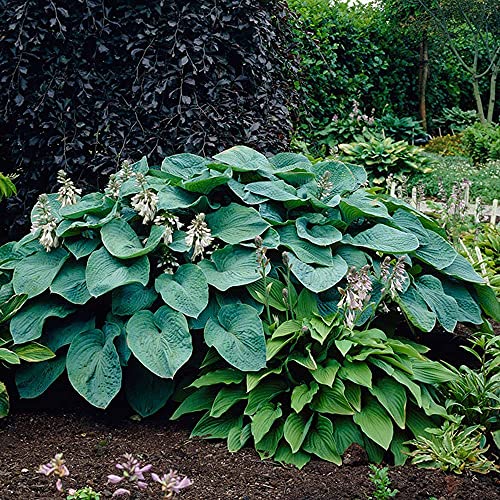
Hosta plants are synonymous with shade gardening, and this mix includes some of the world’s largest varieties. With blue-green and yellow-green leaves, these hostas can reach substantial sizes, creating dramatic mass in a shaded bed. White flowers rise above the foliage, attracting butterflies and hummingbirds. They prefer consistent moisture and rich soil, and they offer long-season interest through foliage, rather than heavy reliance on flower displays.
Creeping Jenny Live Plant – 2 Plants Per Pack
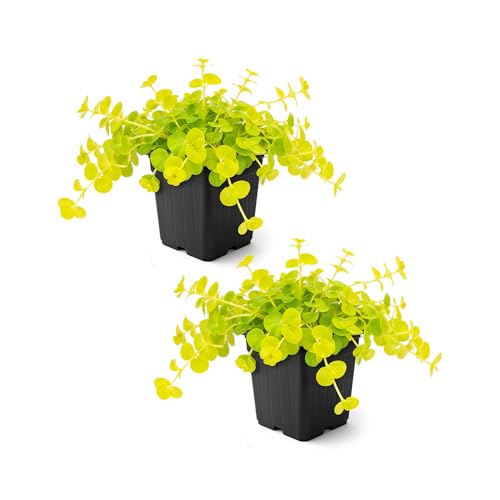
Creeping Jenny (Lysimachia nummularia) is a vibrant, chartreuse-green groundcover that thrives in sun to partial shade. The 2-pack provides a quick-coverage solution for slopes, containers, or understory plantings. Its spreading habit forms a dense mat about 4 inches tall and 18 inches wide at maturity, making it effective for erosion control and weed suppression. It prefers well-drained soils and can tolerate a range of moisture conditions with minimal maintenance.
Buying Guide: Shade-Smart Purchase Considerations
- Site conditions: Assess light (full shade, partial shade, or morning sun with afternoon shade), soil quality (drainage, pH, and fertility), and moisture availability. Choose plants with compatibility to those factors.
- Hardiness zones: Match plants to your USDA zone to ensure winter survivability and healthy growth. Some options tolerate very cold winters, while others are best in milder climates.
- Growth habit and mature size: Consider eventual height and spread to avoid overcrowding and to maintain sightlines in borders or walkways. Use taller shrubs toward the back and lower groundcovers in front.
- Water and maintenance needs: Native or water-tolerant species often require less irrigation once established. Identify plants that fit your maintenance tolerance for pruning and fertilization.
- Texture and color: Mix broadleaf foliage with grassy or variegated textures to create visual interest in shade. Foliage color can provide year-round impact even when flowers are sparse.
- Seasonality: Include a blend of evergreens, deciduous color, and flowering fringes to maintain appeal through all seasons. For shade, layered textures help preserve depth during leaf-off periods.
- Wildlife compatibility: Some plants attract pollinators or beneficial wildlife, contributing to ecosystem health without compromising shade tolerance.
- Container or bed adaptation: Decide whether plants will fill borders, ground covers, or container displays to guide plant choices and spacing.
When selecting shrubs and perennials for shady areas, it’s helpful to combine species with complementary needs and growth patterns. The five products above provide a range of textures—from the broad, dramatic leaves of hosta and nandina to the fine, grassy effect of Juncus and the trailing groundcover of Creeping Jenny—so you can design a layered, resilient shade garden with year-round interest.