Transform your garden into a buzzing paradise with butterfly-friendly bushes that harbor vibrant blooms from spring through fall. This guide highlights five top choices that are drought-tolerant, easy to grow, and proven to attract butterflies, bees, and hummingbirds. Each option includes planting notes, ideal growing zones, and design versatility to help you pick the right shrub for hedges, borders, or focal specimens.
| Product | Brand | Ideal Use |
|---|---|---|
| 350+ Mix Butterfly Bush Seeds | Generic | Seed-grown, drought-tolerant; attracts pollinators |
| Red Butterfly Bush Live Shrub | YOKEBOM | Specimen or hedge; full sun |
| Blooming & Beautiful – Pugster Amethyst | Blooming & Beautiful | Compact ornamental; attracts wildlife |
| Butterfly Bush Mix Seeds – Buddleja Davidii | LUSORA VALE | Pollinator-friendly perennial shrub |
| Greenwood Nursery: Royal Red Butterfly Bush | Greenwood Nursery | Fragrant, tall color accent; sun-loving |
Note: This overview selects five top options that balance bloom quality, maintenance needs, and pollinator value. Each entry includes a direct product link in the section header for quick access to more details and purchase options.
350+ Mix Butterfly Bush Seeds – Perennial Ornamental Shrub
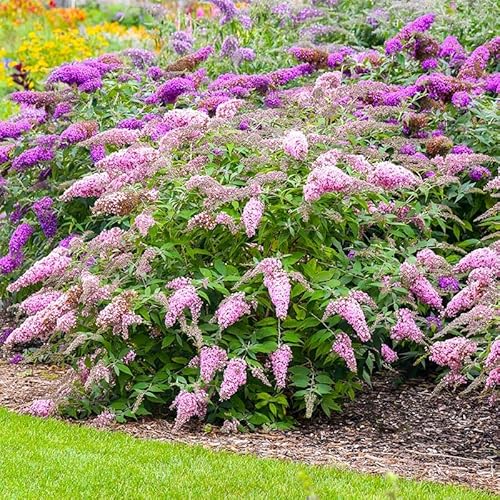
This seed mix offers a hardy, drought-tolerant option ideal for gardeners seeking low-maintenance flowering shrubs. The seeds are designed to attract hummingbirds, butterflies, and other pollinators with fragrant blooms. It is suited for USDA zones 3–9, providing flexibility across climates. Planting is simple: sow the seeds in spring on moist soil and press lightly without covering. Keep in light for best germination and growth. While it starts from seed, it can yield a sturdy, long-lasting pollinator magnet once established.
Red Butterfly Bush Live Shrub Plant
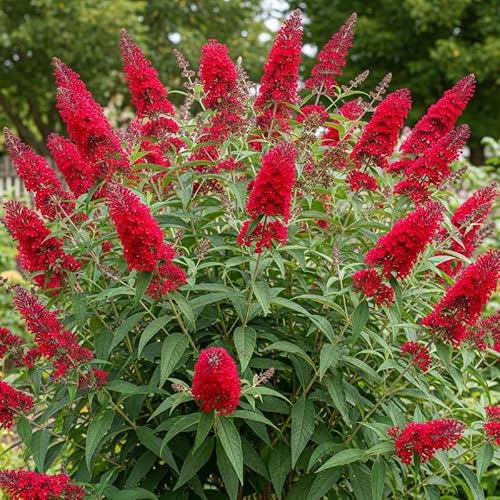
The Red Butterfly Bush is a well-rooted Buddleia shrub that brings intense color and fragrance to any landscape. Known for attracting butterflies with long clusters of vibrant flowers, this deciduous shrub thrives in full sun and is ideal as a hedge, specimen, or border feature. Zones 5–9 suit many temperate gardens. It can be used in mixed borders or as a stand-alone focal point, offering persistent bloom during the warmer months when nectar is plentiful for pollinators.
Blooming & Beautiful – Pugster Amethyst Butterfly Bush

The Pugster Amethyst is a compact deciduous shrub that produces full-sized, light purple amethyst cone flowers from early summer to frost. Its compact habit makes it ideal for smaller spaces, container setups, or front-yard borders. It grows well in USDA zones 5–9 and prefers full sun. With a fragrance that can attract various wildlife, this cultivar contributes continuous nectar for pollinators while maintaining a tidy, ornamental silhouette in the landscape. Growth typically reaches around two feet in height and width when mature.
Butterfly Bush Mix Seeds – Buddleja Davidii

These butterfly bush mix seeds offer nectar-rich blossoms in clusters of purple, pink, white, and blue. The mix provides a fast-growing, hardy perennial that thrives in full sun and tolerates varying soil conditions. It’s a versatile addition for borders, mixed plantings, or pollinator hedges. The fragrance and extended bloom period are designed to appeal to a broad range of pollinators, making it a dependable choice for gardeners prioritizing biodiversity and ecological health in outdoor spaces.
Greenwood Nursery: Royal Red Butterfly Bush

This live shrub from Greenwood Nursery offers a dramatic red-to-fuchsia bloom display, attracting butterflies and hummingbirds with long, fragrant panicles from early summer into fall. It’s a robust deciduous plant that requires eight or more hours of sun daily for best performance. Typical growth reaches 5–6 feet tall and 3–5 feet wide, making it a strong choice for screening, back borders, or architectural plantings in sunny gardens, with a bold color payoff that complements other nectar producers.
Buying Guide: Key Purchase Considerations and Comparisons
- Pollinator appeal: Look for species with long bloom periods and strong nectar production to maximize visits from butterflies, bees, and hummingbirds.
- Sun and soil requirements: Most butterfly bushes thrive in full sun and well-drained soil. Consider zones and winter hardiness to ensure year-round performance in your region.
- Growth habit and space: Compact varieties are ideal for containers or small beds, while taller cultivars work as hedges or focal specimens. Measure available space before purchasing.
- Maintenance needs: Drought tolerance and pruning requirements influence long-term care. Seed-grown options may require more time to establish, whereas container or bare-root plants typically establish quicker.
- Garden design versatility: Use as borders, hedges, or specimen plants. Consider color scenarios (purple, pink, red, white) to complement existing shrubs and perennials.
- Frost exposure and zones: Match plants to USDA zones to prevent winter damage. Some varieties tolerate colder climates highly, while others excel in warmer regions.
- Container suitability: Smaller cultivars and compact selections adapt well to containers, offering flexible placements on patios or decks.
- Maintenance style: If you prefer low-maintenance landscapes, choose drought-tolerant varieties and those with easy pruning cycles.
In choosing butterfly-attracting bushes, consider how each plant’s bloom color, size, and growth habit align with your site conditions and visual goals. A diverse mix of colors and heights often yields the most resilient and visually engaging pollinator garden, supporting butterflies through multiple nectar sources across the growing season.