Looking to boost yields and simplify care with raised beds? This guide highlights five top options ideal for growing vegetables, herbs, and flowers in backyards, patios, or balconies. Each selection targets different space, material, and assembly needs to help you choose confidently. Below you’ll find who each bed suits best, why it stands out, and a quick buying summary to compare at-a-glance.
Summary table of chosen products:
| Product | Best For | Material | Key Benefit |
|---|---|---|---|
| Yaheetech 8×2ft Divisible Bed | Doubling growing area or separating crops | Wood | Divisible with removable baffle for flexibility |
| Land Guard Galvanized Oval Bed | Low-maintenance metal beds | Galvanized steel | Fast setup, durable, corrosion-resistant |
| SPECRAFT 8×4 Ft Wood Bed | Deep-root vegetables and herbs | Wood | Open base for drainage, easy assembly |
| Vivagarden 4x2x1 Ft Galvanized Bed | Kitchen gardens with durable steel | Galvanized steel | Thick, rust-resistant construction |
| Additional Steel Bed Option | Bigger plantings or decorative beds | Steel | Sturdy and long-lasting |
Yaheetech 8×2ft Divisible Wooden Raised Bed

Best for versatile planting layouts, this wooden bed is designed with two growing areas that can be separated or combined. The removable baffle lets you switch from two crops to a single wide bed as your needs evolve. It suits patio or backyard gardeners who want flexible crop management and easy upkeep. Strong screws and a straightforward build support quick assembly, making it practical for beginners and seasoned growers alike.
Who this is for: small-to-medium backyards where crop rotation or separate plantings (herbs vs vegetables) matter, plus gardeners who value modularity. Limitation: wood requires periodic maintenance to maintain longevity, especially in very damp climates.
Land Guard Galvanized Raised Garden Bed Kit
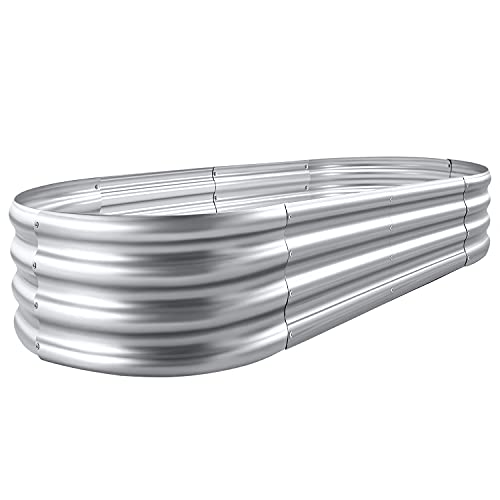
This oval galvanized bed is built for durability and weather resistance. The metal construction provides a low-maintenance option that resists rust with double-layer galvanizing. It’s suitable for growers who want a long-lasting option with a clean, modern look. Assembly is quick—about five minutes—so you can get plants in the ground sooner.
Best for: gardeners prioritizing a durable, metal bed with minimal upkeep. Avoid if you prefer a wooden, traditional aesthetic or if you need a deep planting space beyond 1 foot.
SPECRAFT 8×4 Ft Wood Raised Bed

This open-base bed provides substantial planting space and a 1.5-foot depth ideal for root vegetables and leafy greens. The mortise-and-tenon design with a central divider helps keep plants organized and supports a quick, tool-free setup—often ready in around 15 minutes. Choose this if you want deep soil for robust crops and an easy assembly.
Best for: larger vegetable plots or mixed plantings in a single, open-ground-style bed. Limitation: deeper beds require more space and heavier lifting during setup or relocation.
Vivagarden Galvanized Raised Bed Outdoor

With sturdy galvanized steel measuring 4x2x1 feet, this bed supports a versatile kitchen garden or decorative border. The thick steel and dual-layer galvanization provide strong rust resistance for outdoor use. A wing-nut assembly system keeps setup simple, and included tools enhance ease of use for first-time buyers. This bed balances durability with straightforward maintenance.
Best for: buyers seeking a robust metal option that combines practicality with a clean look. Better for: those who want quick assembly and a tool-friendly setup. Caution: ensure adequate base or feet to prevent soil contact with any damp surface for longevity.
Buying Guide — Raised Beds For Vegetables
What material should you choose? Wood beds offer classic appeal and ease of modification, while galvanized steel beds prioritize longevity and low maintenance in harsh weather. Open-base designs improve drainage and soil health, whereas closed structures help conserve soil and warmth in cooler climates. Consider your climate, sun exposure, and the depth needed for root crops when selecting a bed.
How much planting space do you need?
Assess your garden layout and choose bed sizes that maximize sun exposure and accessibility. Taller beds reduce bending, while wider beds increase soil volume for root crops.
What about assembly and maintenance?
Look for beds with clear assembly instructions, tool-free options, and durable hardware. Metal beds require less routine maintenance but can heat the soil more, which may affect delicate crops. Wooden beds benefit from sealants or finishes to extend life in wet climates.
What is the best setup for drainage?
Open-base beds or beds with proper base clearance promote drainage and root health. If using heavy soil, raised beds with drainage channels prevent waterlogging and help aeration.
Are there any safety considerations?
Avoid sharp edges and ensure sturdy frame connections. If growing near children or pets, select rounded corners and non-toxic finishes.
How should you plan crop rotation?
Separate beds or dividable designs simplify crop rotation. Use the two-zone option to alternate leafy greens with root crops across seasons for improved soil balance.
Frequently Asked Questions
- What is the best raised bed for beginners? — A simple, sturdy wooden or galvanized bed with straightforward assembly is ideal for beginners who want quick results and minimal maintenance.
- Do raised beds need a soil mix? — Yes. A high-quality soil mix that drains well and feeds plants is essential for healthy growth in raised beds.
- How deep should a raised bed be for vegetables? — For most vegetables, 12 to 18 inches is sufficient, but deep-root crops like tomatoes or carrots may benefit from 15 inches or more.
- Can raised beds be placed on concrete or hard surfaces? — Yes, with a solid frame and proper drainage, you can place beds on hard surfaces, but ensure a stable base and consider soil depth requirements.
- Are metal beds safe for edible crops? — Yes, galvanized steel beds are commonly used for vegetables and herbs; ensure coatings are food-safe and avoid paints with toxic fumes.
- What maintenance should I expect with wooden beds? — Periodic sealing or staining helps protect against moisture and pests, extending life in damp climates.