Discover effective ways to reduce stink bug intrusions and other flying insects with a mix of proven bug zappers and natural repellents. This guide highlights five Amazon picks that balance physical control, safety, and ease of use for American households. Each option targets nuisance insects while minimizing chemical exposure, so you can choose the approach that best fits your space and lifestyle.
| Product | Brand | Type | Key Benefit |
|---|---|---|---|
| GOOTOP Bug Zapper Outdoor | GOOTOP | Electric Zapper | Efficient outdoor-insect control |
| ASPECTEK Insect Killer | ASPECTEK | Indoor/Protective Zapper | Safe, pesticide-free indoor option |
| Colton’s Naturals Stink Bug Repellent Spray | Colton’s Naturals | Repellent Spray | Natural stink bug deterrent |
| ILCPP Bug Zapper | ILCPP | Indoor/Outdoor Zapper | High-coverage area with durable build |
| Forhimn Bug Zapper Indoor | Forhimn | Indoor Zapper | Safe, wired-in indoor option |
GOOTOP Bug Zapper Outdoor And More
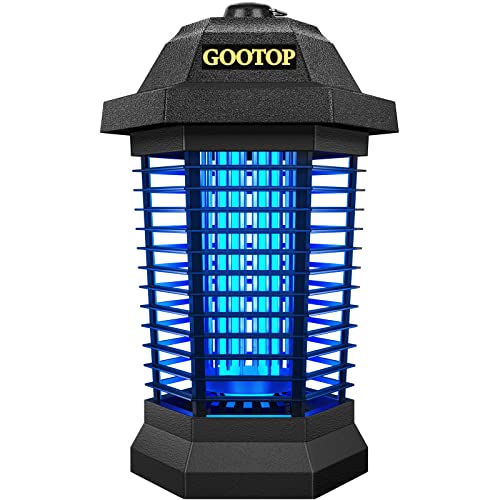
GOOTOP’s 3-prong plug-in design makes setup straightforward for decks, patios, and yards. It operates at 90-130V with a 4200V grid, attracting a broad spectrum of insects thanks to a light-emitting bulb. The unit emphasizes a chemical-free approach, zapping insects on contact and reducing the need for sprays or attractants. Its lightweight construction supports easy hanging or placement, and there is no warm-up time—just plug in and start. This model targets common outdoor flyers, including gnats, flies, and moths, contributing to a more comfortable outdoor living space.
ASPECTEK Insect Killer – Indoor Protection
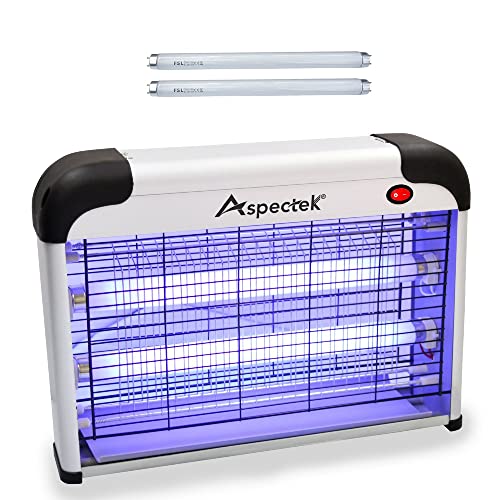
ASPECTEK’s 20W indoor bug zapper pairs two UV bulbs to lure a wide range of flying pests, including flies and mosquitoes. A protective mesh screen helps prevent accidental contact with the high-voltage grid, making this a safer option for homes with children and pets. The device uses a chemical-free approach, relying on a high-voltage grid to eliminate insects. This model is ideal for kitchens, living rooms, and other indoor spaces where chemical sprays are undesirable and a silent solution is preferred.
Colton’s Naturals Stink Bug Repellent Spray
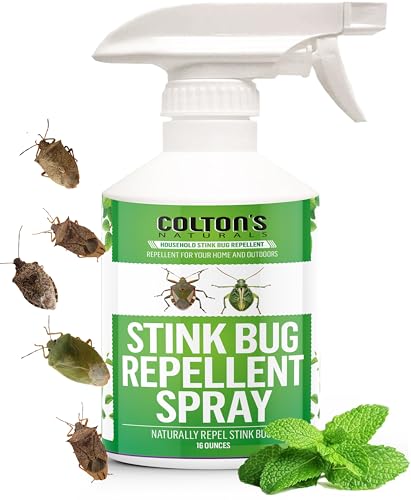
This natural spray focuses on stink bugs with a plant-based essential oil blend. Designed for use around windows, doors, and entry points, it provides a quick defensive barrier without harsh chemicals. The fragrance is fresh and zesty, which many users find pleasant while it discourages stink bug activity. Regular application can help deter new infestations for up to a week and supports ongoing defense in high-traffic pest areas like porches and basements. It is suitable for homes with children and pets when used as directed.
ILCPP Bug Zapper Indoor & Outdoor

ILCPP offers a versatile zapper suitable for both indoor and outdoor settings, with IPX4 waterproof protection for exposed areas. It covers up to 2,200 square feet and includes a long power cord, making it practical for patios, gardens, and entryways. The device emphasizes energy efficiency, with LEDs rated to a decade-long lifespan and minimal need for bulb changes. A protective grid reduces the risk of accidental contact, contributing to safer family use around kids and pets.
Forhimn Indoor Bug Zapper – Safe Indoor Use
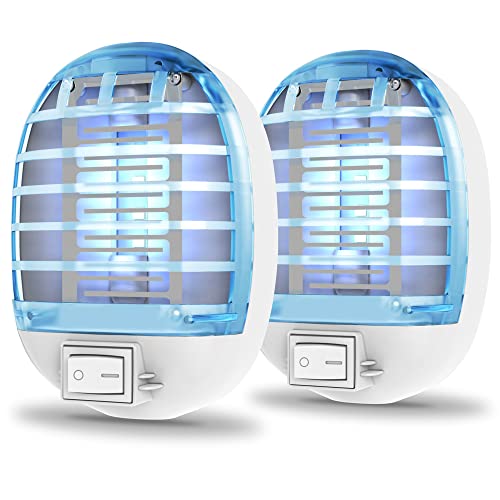
The Forhimn bug zapper is designed for indoor use, featuring a safety-focused housing with a narrow gap to prevent finger contact with the grid. The device emphasizes human and pet safety while offering effective insect control without chemical sprays. It suits living rooms, kitchens, bedrooms, and offices where a low-profile, plug-in solution is preferred. The model is compatible with other indoor pest management strategies, including routine cleaning and sealing entry points to reduce pest ingress.
Buying Guide: Key Purchase Considerations And Comparisons
When choosing a bug zapper or stink bug deterrent, consider where you plan to use it, how often you’ll rely on it, and the level of maintenance you’re willing to manage. For outdoor spaces, energy efficiency, weather resistance, and coverage area are important, as are safe mounting options to keep the device away from children and pets. Indoor options should emphasize safety features, noise level, and compatibility with kitchens, living rooms, and bedrooms.
- Coverage Area: Larger outdoor units typically protect broader spaces but require higher wattage and a sturdy mounting solution. Indoor units vary from small rooms to larger living areas; verify square footage coverage in product specs.
- Safety Features: Look for protective grids, tamper-resistant housings, and child/pet-safe designs. A non-toxic, chemical-free approach is ideal for homes with infants or allergy concerns.
- Energy Efficiency: LED-based attractors and long-lasting bulbs reduce ongoing costs. Some models feature multi-year lifespans and replaceable bulbs to extend the device’s usefulness.
- Maintenance: Consider ease of cleaning, bulb replacement intervals, and whether the device includes a removable tray for collecting dead insects. Outdoor units should be weather-resistant and rust-proof.
- Target Insects: While most bug zappers attract a wide range of flying pests, stink bugs tend to respond differently than mosquitoes or moths. Pairing zappers with scent-free barriers (e.g., sealing entry points) can improve performance against stink bugs.
- Placement And Environment: Place zappers away from human activity hubs to minimize attractant exposure. For stink bugs seeking entry points, combine repellents at thresholds with sealing and weather-stripping to reduce intrusion.
- Chemical-Free Alternatives: If avoiding pesticides is a priority, combine zappers with natural repellents and exclusion techniques to minimize chemical exposure while reducing bug activity.
By evaluating these factors, you can select a solution that balances effectiveness with safety for your home. Combining a primary bug zapper with a targeted stink bug deterrent spray offers a practical, multi-layered approach for American households facing seasonal pest pressure.