Camping brings you close to nature, but it also attracts bugs. A reliable bug zapper can help you sleep easier, eat calmly, and enjoy evenings outdoors without chemical sprays. This guide highlights five highly capable bug zappers ideal for camping, including solar-powered options and rugged, outdoor-ready designs. Each product is selected for easy portability, effective insect attraction, and safe, physical pest control.
Summary of chosen products:
| Product | Brand | Key Benefit | Best For |
|---|---|---|---|
| Bug Zapper Outdoor & Indoor Cordless Mosquito Zappers | otlotrte | Rechargeable, 4200V, 2100 sq ft coverage | All-around outdoor use, camping, backpacking |
| Bug Zapper Outdoor, Mosquito Zapper 2 in 1 | KOOSA | 5000mAh battery, 4000V grid, LED night light | Extended outdoor stays, dusk to night use |
| Bug Zapper Indoor & Outdoor, 4200V | ILCPP | 10-year lifespan, IPX4, 2200 sq ft coverage | Rugged, weather-friendly camping setups |
| Solar Bug Zapper Indoor Outdoor, 4200V | Leizah | Solar charging, 3-in-1: zapper, light, sensor | Sunlit campsites, eco-friendly power |
| GOOTOP Bug Zapper Outdoor | GOOTOP | Lightweight, 4200V grid, wanders well outdoors | Simple, portable camping use |
Bug Zapper Outdoor & Indoor Cordless Mosquito Zappers

This portable zapper delivers a robust 4200V shock with a 360° grid, ensuring quick mosquito elimination. Its 2100 sq ft coverage makes it suitable for patios, camp kitchens, and small camping clearings. The unit is designed for both outdoor and indoor use, with USB charging options for flexible power on the go. The product is focused on physical pest control, reducing the need for sprays and attracting insects with a broad-spectrum UV light. This model emphasizes portability and quick-action zapping to support comfortable camping conditions.
Bug Zapper Outdoor 2 in 1 With LED Night Light

KOOSA combines a high-capacity 5000mAh battery with a 4000V grid and a built-in LED night light. It’s designed for extended camping trips, offering up to eight hours of operation in zapper mode. The device attracts insects with a 365-400nm UV spectrum and delivers a strong electrical shock to kill pests on contact. Its rechargeable power source makes it a versatile choice for tents, porches, and campgrounds where electrical outlets may be scarce.
Bug Zapper Indoor & Outdoor, 4200V

ILCPP offers a durable 4200V electric grid within a weather-resistant housing. This model is designed to cover up to 2,200 sq. ft., making it suitable for larger camping areas or outdoor dining spaces. Its IPX4 rating supports light rain exposure, and the design emphasizes energy efficiency with long LED life. The device is safe for family use, featuring a protective grid and low-maintenance operation for extended camping trips.
Solar Bug Zapper Indoor Outdoor, 4200V

Leizah’s solar-powered bug zapper integrates a 4200V grid with a 4000mAh battery and 365 nm UV lighting. The unit operates as a three-in-one device: zapper, night light, and sensor-based auto mode. Its IPX5 waterproof design and rotating mounting options make it adaptable for various camping setups, from campground tables to tent entrances. Solar charging reduces reliance on outlets, aligning with eco-conscious camping plans.
GOOTOP Bug Zapper Outdoor
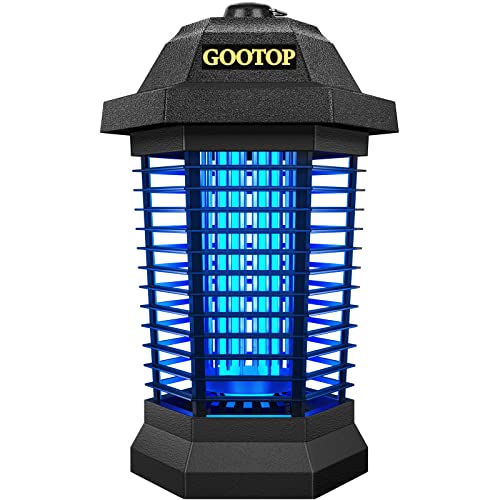
GOOTOP’s outdoor zapper focuses on portability without sacrificing effectiveness. With a 4200V grid, it targets a range of flying insects from mosquitoes to moths. The unit is lightweight and designed to hang easily in any camping setup. It starts working immediately when plugged in, offering a simple, no-fuss option for campsites, picnic areas, and outdoor dining spaces where pesticides are undesirable.
Buying Guide for Camping Bug Zappers
- Power source: Consider corded, rechargeable, or solar-powered units. Solar and rechargeable options are ideal for remote campsites without easy access to outlets.
- Voltage and grid design: Higher voltage often means faster kills, but ensure the grid is safe for indoor and outdoor use. Look for devices with a 360° or wide grid to maximize insect contact.
- Coverage area: For tents or small campsites, 500–2000 sq ft is typically sufficient. Larger outdoor spaces may benefit from models with higher coverage or multiple units.
- Weather resistance: IP ratings (such as IPX4 or IPX5) indicate protection against rain and moisture. Outdoor camping requires at least basic weather sealing.
- Portability: Weight, compactness, and ease of hanging or placing are important for backpacking or car camping. Battery life is a key factor for off-grid trips.
- Safety features: A robust protective grid and child/pet-safe distance reduce risk around families. EPA registration or equivalent safety assurances support responsible use.
- Maintenance: Look for models with long LED lifespans and easy cleaning. Avoid designs that require frequent bulb replacement when possible.
- Noise and light considerations: Some devices use LED lighting to attract insects; consider models with dimmable night-light modes if you sleep near the device.
- Eco impact: Solar-powered options reduce energy use and are more sustainable for extended camping trips.
- Multi-use versatility: A combined lantern or sensor-based auto mode adds value, especially for camping where light and pest control are both needed.
When selecting a bug zapper for camping, balance portability, power options, and area coverage with the type of camping you do most often. For solo or small-group trips, a compact rechargeable model may suffice. If you frequently camp in open areas or at sites with abundant insects, a solar-powered or higher-coverage unit offers extended usability and reduces dependency on outlets. All options in this guide emphasize safe, physical insect control and aim to minimize chemical use in outdoor dining and sleeping areas.