The right bug spray makes indoor gardening safer and healthier by protecting plants from common pests and diseases while minimizing harm to family and pets. This guide reviews five top options that are effective on common indoor invaders such as aphids, whiteflies, spider mites, and more. Each product below is evaluated for ease of use, spectrum of pests, and suitability for indoor use, with practical tips for best results.
| Product | Brand | Key Benefit |
|---|---|---|
| BioAdvanced Houseplant Insect & Mite Control | BioAdvanced | Contact killer for listed pests; also helps prevent fungal diseases |
| Bonide Insecticidal Soap | Bonide | Multi-purpose soap for direct contact insect control |
| Neem Oil Spray for Plants | Smart Grower | Natural plant protection with peppermint oil aroma |
| Mighty Mint Peppermint Plant Protection Spray | Mighty Mint | Plant-based deterrent for multiple pests; family-friendly |
| Garden Safe Houseplant & Garden Insect Killer | Garden Safe | Kills 100+ listed insects; usable up to day of harvest |
BioAdvanced Houseplant Insect & Mite Control
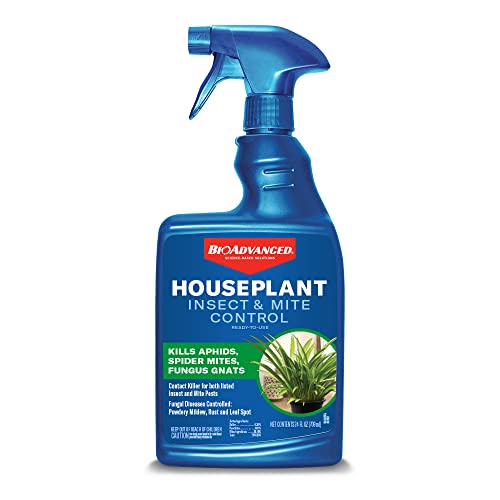
BioAdvanced offers a ready-to-use spray designed for indoor houseplants. It provides contact control for common pests such as aphids, fungus gnats, whiteflies, and lace bugs, while also helping to reduce fungal diseases like powdery mildew, leaf spot, and rust. It also targets mites, including spider mites. For best results, thoroughly spray all plant surfaces, paying close attention to new shoots and the undersides of leaves. This product is useful when rapid pest knockdown is needed and can contribute to overall plant health by addressing fungal threats.
Bonide Insecticidal Soap 32 oz
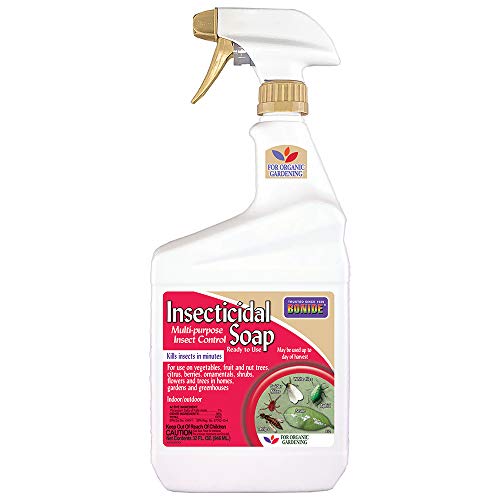
Bonide Insecticidal Soap is a versatile, ready-to-use spray intended for outdoor and indoor use on a variety of pests that feed on plant surfaces. Its mode of action is contact-based, suffocating insects such as aphids, mites, and caterpillars, among others. While designed for broader outdoor use, it is commonly applied indoors on ornamental houseplants and edible herbs. Users should spray directly onto insects and affected leaf surfaces; the product can also impair leaf-feeding larvae when they ingest treated leaf surfaces. This option is valued for being a non-toxic, plant-friendly choice when used as directed.
Neem Oil Spray For Plants (Peppermint Oil)

Neem oil sprays are a natural option that help safeguard plant vitality by disrupting pest life cycles and providing a light protective barrier. This product is enhanced with peppermint oil, which adds a pleasant note and potential extra deterrence. It is suitable for indoor plants and can help mitigate a range of pests without heavy chemical residues. Apply as directed to coated plant surfaces, paying attention to the underside of leaves where pests often hide. Neem oil sprays are generally preferred for growers seeking a more natural approach with everyday-use practicality.
Mighty Mint Peppermint Plant Protection Spray
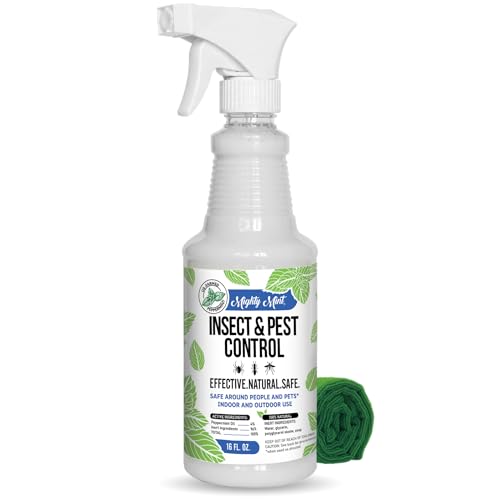
This plant-based spray relies on concentrated peppermint oil to deter a broad range of indoor pests, including spiders, ants, and roaches. It is designed for indoor and outdoor use, applied along baseboards, entryways, and plants themselves. The formula emphasizes safety for pets and people when used as directed, with no harsh fumes or synthetic residues. It is particularly valued by gardeners seeking a natural alternative with a strong deterrent effect and easy cleanup, making it suitable for households with children and pets when used as directed.
Garden Safe Houseplant & Garden Insect Killer

Garden Safe provides broad-spectrum insect control suitable for homes, gardens, and greenhouses, including houseplants. It claims effectiveness against more than 100 listed pests and is labeled for use up to the day of harvest for edible crops, which can appeal to indoor herb and vegetable growers. This option emphasizes versatility and convenience, offering a practical choice for multi-scenario use—from decorative houseplants to small indoor edible crops. Apply to affected plants and surfaces to stop pests on contact and reduce ongoing infestation.
Buying Guide: Key Purchase Considerations
Choosing the right indoor plant pest control product involves balancing effectiveness, safety, and usability. Consider the following factors to select the best option for your setup:
- Target pests and spectrum: Match the product to the pests you most frequently encounter (aphids, mites, whiteflies, gnats, etc.). Some products are broad-spectrum, while others target specific pests.
- Plant sensitivity and residue: Some sprays are harsher or have lingering residues. For delicate houseplants, greens with soft foliage may respond better to milder options like insecticidal soap or neem-based sprays.
- Indoor safety: Look for formulations labeled safe for indoor use, low odor, and minimal volatile organic compounds (VOCs). Consider pet and human exposure when selecting a product for living spaces.
- Mode of action: Contact kill versus systemic or preventive action. Contact sprays offer quick knockdown, while systemic or preventative options can help reduce pest populations over time.
- Application frequency and coverage: Some products require frequent applications or thorough coverage of both upper and lower leaf surfaces. Plan for consistent treatments during pest outbreaks.
- Edible crops and harvest timing: If you grow herbs or vegetables indoors, verify whether the product is labeled for use on edible crops and the allowed harvest window.
- Resistance management: Rotate among products with different active ingredients to prevent pest resistance and maintain long-term effectiveness.
- Organic and natural options: If you prefer natural ingredients, neem oil, peppermint-based sprays, and insecticidal soaps offer alternatives to synthetic chemistry, though results may vary by pest and plant type.
In practice, gardeners often combine approaches: using a natural spray for routine maintenance and reserving a more potent contact killer for sudden outbreaks. Always follow label directions, test on a small leaf patch first, and ensure adequate ventilation when applying indoors. By aligning product choice with pest pressure and plant sensitivity, you can protect indoor plants while maintaining a safe home environment.