Garden habitats thrive when pollinators and natural pest controllers have safe places to nest and overwinter. The following bug hotels are designed to attract bees, butterflies, ladybugs, lacewings, and other beneficial insects, while protecting them from rain and predators. Each option combines durability, natural materials, and varied chambers to accommodate different insect habits. Below you’ll find five carefully selected bug hotels with distinct features, so you can choose the best fit for your garden space and maintenance routine.
Product Snapshot
- Lulu Home Wooden Insect House — 10.4 x 3.4 x 5.4 Inches
- Navaris Bug Hotel and Bee House Kit — Large, easy to clean
- Lulu Home Wooden Insect House With Stake — 19.7 x 3.4 x 5.4 Inches
- SparkJump Premium Bug Hotel Kit — Cedar wood, DIY educational kit
- Wildlife Friend Insect Hotel — 10 x 3 x 11 Inches, metal roof
Lulu Home Wooden Insect House
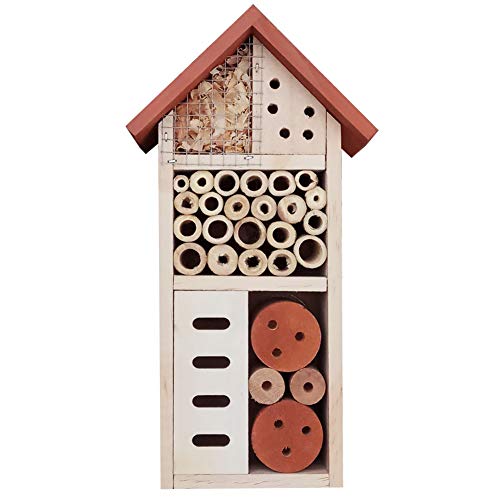
The Lulu Home insect house is crafted from natural wood and sized to fit a variety of garden spaces. Its design encourages multiple insect species to find shelter, lay eggs, and overwinter in a safe habitat. The varied materials inside the hotel support different insect preferences, including bees, butterflies, and ladybirds. Keeping the design weather-resistant helps ensure long-term use in outdoor gardens. Its compact dimensions make it suitable for smaller yards or balcony gardens while still offering meaningful ecological value.
Key features include: natural wood construction, multiple compartments with different fills, and a purpose-built habitat for beneficial insects. The hotel can contribute to pollination and pest control by hosting careful, non-chemical insect allies in the garden ecosystem.
Navaris Bug Hotel And Bee House Kit

The Navaris bug hotel kit provides a large habitat designed for efficient insect control and garden balance. It features easy-to-open doors and handles for straightforward cleaning, which helps sustain a thriving environment for pollinators and predators. The design emphasizes humane housing for a wide range of garden insects, reducing the need for chemical measures while supporting biodiversity. This kit targets long-term garden health by encouraging natural pest management alongside pollination benefits.
Lulu Home Wooden Insect House With Stake

This model adds versatility with stake mounting options, allowing you to place it at different garden heights for optimal exposure to pollinators. The structure employs all-natural wood and a weather-resistant roof, with fillings like bamboo tubes and pine cones that attract a variety of beneficial insects. The stake design makes it convenient to position near flowering plants, hedges, or vegetable beds, helping insects locate shelter without disturbing plantings.
SparkJump Premium Bug Hotel Kit

The SparkJump kit offers a premium cedar wood construction and a DIY experience suitable for families and classrooms. It includes components to assemble a bee, butterfly, or ladybug habitat, making it an engaging educational project while also supporting a garden ecosystem. The kit is designed to host nesting and protection from the elements, helping young learners understand insect lifecycles and the role of pollinators in food production. The craft-focused nature adds an experiential dimension to garden biodiversity efforts.
Wildlife Friend Insect Hotel

The Wildlife Friend insect hotel combines natural wood with a protective metal roof to provide year-round shelter for bees, butterflies, and ladybugs. The exterior design shields interiors from rain, while the varied interior fillings accommodate multiple insect species. This model emphasizes conservation by offering nesting amenities and a stable overwintering site, supporting pollinator populations and beneficial insect activity across seasons. The durable construction is suited to outdoor use in diverse climates.
Buying Guide: Key Purchase Considerations
When selecting a bug hotel, consider the following factors to ensure a practical, durable, and wildlife-friendly choice.
-
<liMaterials and Finish: Look for untreated or naturally finished wood, weatherproof coatings, and non-toxic veneers. Avoid paints and solvents that could off-gas or harm insects.
<liSize and Mounting: Match the size to your garden space and the target insect species. Wall-mounted, stake-supported, or freestanding designs offer different placement options for sun, shade, and plant proximity.
<liInterior Variety: Diverse fillings such as bamboo, pine cones, wood wool, and hollow tubes attract a broader range of beneficial insects. Multiple compartments copy natural insect habitats and increase occupancy chances.
<liWeather Protection: A roof or overhang helps keep interiors dry during rain, extending the life of the materials and protecting residents from moisture-related issues.
<liMaintenance: Consider ease of cleaning and inspection. Simpler designs with accessible entrances encourage regular upkeep and monitoring of insect visitors.
<liEcological Value: Prioritize models that support pollinators and natural pest control without relying on chemical interventions. The best options contribute to garden biodiversity year-round.
<liEducation and Engagement: DIY kits or educational features can enhance family learning and community engagement with garden ecology.
To maximize impact, place the bug hotel in a sunny, sheltered spot near flowering plants or hedges. Elevate it slightly from the ground to deter moisture and ground-dwelling pests. Regularly inspect for wear, clean out debris if necessary, and ensure the entrance holes remain accessible to target species. Pairing a bug hotel with native plantings can amplify pollinator visits and pest-control benefits, supporting a resilient, productive garden.