For homeowners and landscapers, selecting the right brush cutter blades can dramatically speed up clearing thick brush, tall grasses, and small trees. This guide highlights five dependable options designed to fit common straight-shaft trimmers and weed eaters, offering durability, aggressive cutting, and compatible adapters. Each product below comes from trusted brands and features carbide or high-quality carbon steel to boost lifecycle and performance. Read on to compare capabilities, installation notes, and key considerations before you buy.
| Product | Brand | Notable Feature |
|---|---|---|
| (2-Set) 9″ Chainsaw Tooth Brush Blades | CALPALMY | 9″ chain-style teeth; 1″ arbor; up to 10,000 RPM |
| HK 2 Pack 9″ x 36T Carbide Tip Blades | HK | Carbide tipped; 9″ diameter; 36 teeth |
| Weed Warrior Replacement Blades (3 Count) | WEED WARRIOR | Durable metal blades; ANSI compliant; serrated edges |
| 8″ x 80T Carbide Tip Blades (2 Pack) | ATIE | 80 teeth; carbide tipped; universal fit |
| Forester Chainsaw Brush Cutter Blade + File Set | FORESTER | 9″ x 20T; fits most straight shaft trimmers; includes file |
1) CALPALMY 9″ Chainsaw Tooth Brush Blades

The CALPALMY 9-inch brush blades are designed to fit most gas or electric straight shaft trimmers with an arbor of 1 inch and a maximum RPM of 10,000. These chain-style blades use carbon steel round blades with 20 teeth for efficient cutting through brush and light wood. They’re compatible with major brands such as Husqvarna, Stihl, Ego, Oregon, and Hitachi, making them a versatile option for many weed eaters. The blades are described as durable with a longer lifecycle than typical weed eater blades, helping you complete larger clearing tasks with fewer blade changes.
Performance notes indicate a balance between sharpness and durability, allowing clean, low-effort cuts through grasses, weeds, and brush. Installing these blades on compatible trimmers can yield faster progress in overgrown areas while maintaining cutter life. Before purchasing, verify your trimmer’s arbor size and ensure the RPM rating aligns with the product spec to prevent excessive wear or safety concerns.
2) Kurt-Saw 9″ 36 Teeth Carbide Tipped Blades

The Kurt-Saw set includes two 9-inch blades with 36 teeth and carbide tips, designed for use with brush cutters, trimmers, and weed eaters. Carbide tips provide added durability for tougher clearing tasks and longer blade life compared with standard steel blades. The product emphasizes compatibility with a range of weed eaters that accommodate a 9-inch diameter blade, making it a flexible option for homeowners who rotate between models or brands.
Key considerations include ensuring your trimmer’s arbor matches the blade’s central bore and confirming that your engine and gearing can safely handle the additional cutting resistance. Carbide-tipped blades can extend cutting performance but may require more stable operation in very dense vegetation. Users should follow installation instructions and wear appropriate PPE during use.
3) HK 2 Pack 9″ x 36T Carbide Tip Blades

HK’s 9-inch 36-tooth carbide-tipped blades are built for heavy-duty weed clearing. They are described as hardy and durable, suitable for fast, aggressive cutting through heavy brush and saplings. The blades fit straight shaft trimmers with a 1-inch arbor, with an option for 20mm adapters as needed. The carbide tips are designed to retain sharpness longer, reducing frequent resharpening and blade swaps on challenging jobs around the yard or property edges.
When selecting these blades, consider the density of vegetation and the presence of hidden obstacles like rocks or hard wood. Carbide tips excel in tough conditions but require steady handling and proper mounting to avoid vibration or misalignment. Regular maintenance, including cleaning and inspecting for chipped teeth, will help maximize performance and safety.
4) WEED WARRIOR Replacement Blades (3 Count)
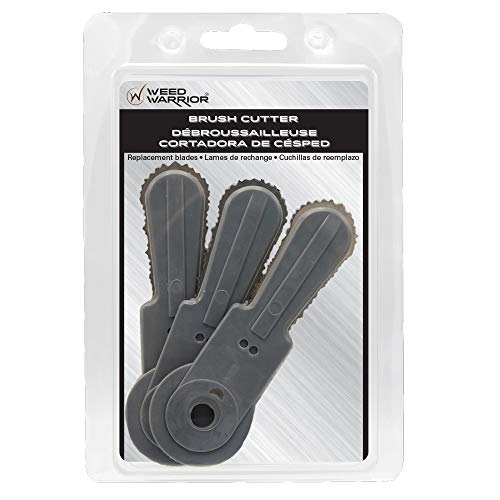
These WEED WARRIOR replacement blades are durable metal blades with sharp, serrated edges designed to cut through thick weeds and dense brush. They meet ANSI safety standards and are positioned as high-quality replacement parts for brush cutter weed whacker heads. The blades are described as compatible with Weed Warrior, Shakespeare, and Rino Tuff brush cutter heads, offering a broad compatibility range for universal fit replacements.
For users who frequently substitute blades, this trio-pack provides a straightforward option to keep a sharp edge ready. When selecting, verify compatibility with your specific head and blade mounting pattern. Regular inspection for wear or bending is advised to maintain safe operation and effective cutting performance.
5) ATIE 8″ x 80T Carbide Tip Blades (2 Pack)
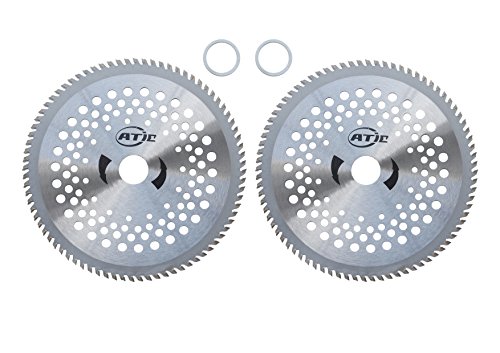
The ATIE 8-inch blades feature 80 teeth and carbide tips, designed for universal fit on trimmer heads with a 1″ or 20 mm arbor. The 80-tooth design aims to deliver smooth, precise cuts through dense vegetation with less effort by the operator, supported by carbide tips that resist dulling over time. The blades are presented as suitable for a range of brands including Husqvarna, Stihl, Ego, Oregon, and Hitachi, making them a versatile option for various rigs.
Practical use notes highlight the importance of correct arbor sizing and compatible adapters to ensure secure mounting. Carbide tips offer longevity but can be more brittle than plain steel if subjected to hard impacts; avoid striking stones or metal objects. Regular cleaning and checking for minor warping will help maintain optimal cutting performance.
Buying Guide: Key Purchase Considerations
Choosing the right brush cutter blades involves balancing material, blade geometry, and compatibility with your equipment. Consider the following perspectives to make an informed decision:
- Material and durability: Carbide-tipped blades hold an edge longer than plain steel, especially for heavy brush and small trees. Carbon steel blades offer good value for lighter tasks and general yard work.
- Blade geometry: More teeth generally yield finer cuts for grass and light brush, while fewer teeth with larger gaps can handle thicker vegetation and saplings. 20–36 teeth are common ranges for 9-inch blades; 80 teeth are typical for 8-inch models and provide smoother cuts in dense vegetation.
- Arbor compatibility: Ensure the blade’s bore size (usually 1 inch or 20 mm) matches your trimmer’s arbor. Some blades require adapters for universal fit; confirm the gear case compatibility to avoid misalignment or safety risks.
- RPM and safety: Check the maximum RPM rating for your trimmer and the blade. High-RPM blades paired with unsuitable motors can lead to wear or failure. Always follow manufacturer safety guidelines and wear PPE.
- Application fit: For heavy brush and small trees, consider chainsaw-tooth or carbide-tipped designs for efficient cutting. For general lawn maintenance, lighter blades can reduce load on the engine and prolong blade life.
- Maintenance and replacement: Inspect blades for cracks, chips, or bends. Straighten or replace as needed. Proper storage and cleaning reduce corrosion and extend blade life.
- Installation considerations: Some blades come with included files or adapters. Follow installation instructions precisely to ensure proper mounting and balance, minimizing vibration and operator fatigue.
In sum, the right blade choice depends on vegetation density, your trimmer’s specifications, and how often you perform heavy clearing tasks. Carbide-tipped blades excel in tougher conditions, while standard carbon steel options deliver solid performance for routine trimming. With the five options above, property owners can select blades tailored to their gear and yard needs, maintaining efficient, safe operation across seasons.