If you’re looking to refresh brick or concrete pavers and bricks, you need products that remove stains, seal surfaces, and enhance color without harsh effects. This guide highlights five top brick paver staining products that are well-suited for American outdoor spaces, including driveways, patios, and walkways. Each pick targets a specific need—stain removal, rust removal, or sealer performance—so you can build a practical, results-driven maintenance plan. The buyer table below helps compare core capabilities at a glance.
| Product | Best For | Primary Benefit | Limitations |
|---|---|---|---|
| Tenon Paver Wash | General outdoor pavers and brick | Removes white deposits and rust | Mitigated by mild acidity—test on delicate surfaces |
| CAF Lift Pro Rust Stain Remover | Rust and mineral stains on concrete, pavers, brick | Fast-acting rust removal | Outdoor use; rinse well to avoid residue |
| Paver Sealer Beest 8700 Wet Look | Pavers, stone, stamped concrete | Color-enhancing wet look finish | More coats may be needed for porous surfaces |
| PaverArmor Penetrating Sealer (RadonSeal) | Porous pavers and brick | Deep penetrating, breathable water repellency | Non-gloss finish—no surface shine |
| Paver Sealer Beest 8600 Wet Look | Pavers and driveways needing gloss | Medium gloss, color enhancement | Gloss level increases with more coats |
Tenon Paver Wash
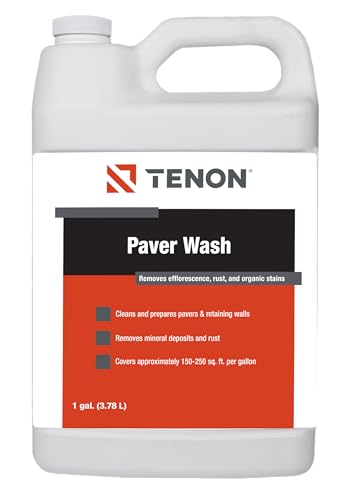
Tenon Paver Wash is designed to tackle tough staining on pavers, concrete, brick, and masonry. Its formulation aims to remove white deposits and rust, helping restore a clean, uniform base before any staining or sealing work. This product is best for homeowners who want a versatile cleaner that works across common outdoor surfaces without switching products for each material type. The mildly acidic components reduce the risk of aggressive etching when used as directed.
Who it’s best for: Property owners with light to moderate rust or mineral deposits on brick or concrete surfaces seeking a multi-surface cleaner.
Why selected: It combines stain-removal potential with broad surface applicability, making it a convenient first step before sealing or color-enhancing treatments.
Caution: Test on a small, inconspicuous area to gauge surface reaction, especially on highly textured or polished pavers.
CAF Lift Pro Rust Stain Remover

CAF Lift Pro Rust Stain Remover concentrates rust stains on concrete, pavers, brick, tile, and grout. It’s formulated for quick outdoor results, with a stated visible effect within minutes of application. The product is designed for outdoor cleaning without harsh scrubbing, aligning with homeowners who want efficient restoration with minimal labor.
Who it’s best for: People dealing with rust or mineral stains on exterior pavers and driveways who want rapid, spray-and-wait cleaning rather than intensive scrubbing.
Why selected: It targets rust specifically, offering a focused approach to restore brick and paver aesthetics where mineral staining is common.
Caution: Ensure good ventilation and rinse thoroughly after use; residue can transfer if not properly rinsed from textured surfaces.
Paver Sealer Beest 8700 Wet Look

BEEST PS-8700 is a water-based acrylic sealer that adds a durable satin finish with a color-enhancing wet look to pavers, stone, and stamped concrete. It’s designed to revive faded surfaces and provide protection against staining from oil, grease, and hot tire pickup. The product claims UV stability and non-yellowing performance, helping maintain color depth over time.
Who it’s best for: Homeowners wanting a professional-grade sealant that enhances color while delivering lasting surface protection.
Why selected: It combines color enhancement with a protective barrier for common outdoor staining challenges, making it a versatile choice for refreshed hardscapes.
Caution: Porous surfaces may require additional coats to achieve the desired gloss; over-application can lead to longer curing times.
PaverArmor Penetrating Sealer (RadonSeal)

RadonSeal’s PaverArmor is a penetrating silane/siloxane sealer that protects concrete, brick, and porous stone by deep absorption without forming a surface film. It creates a breathable water-repellent layer that resists salt penetration and freeze–thaw damage while allowing moisture to escape. This is a practical choice for areas with heavy rainfall, humidity, or winter cycles.
Who it’s best for: Regions with freeze-thaw cycles or high moisture where a non-film, breathable sealer is preferred.
Why selected: The penetrating, non-gloss approach reduces the risk of surface peeling and is durable over time for porous pavers and brick.
Caution: It does not add surface gloss; if you want a visible finish, pair with a surface sealer or color-enhancing product.
Classic Coatings | Water-Based Paver Bond
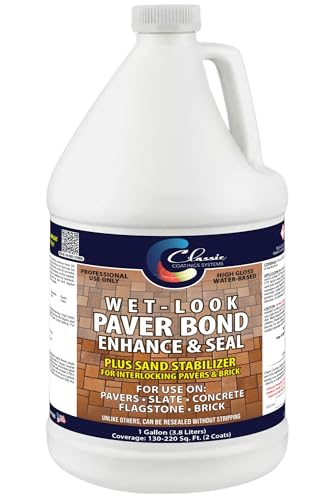
Classic Coatings Paver Bond is a color enhancer and sand joint stabilizer designed for interior or exterior use on pavers, concrete, brick, and masonry. It delivers a wet-look finish and UV stability, with explicit mention of energizing color and improving joint stability. It can be used indoors or outdoors, offering flexibility for architectural projects that blend interior and exterior spaces.
Who it’s best for: Projects needing color enhancement with joint stabilization for both indoor and outdoor applications.
Why selected: Combines color enhancement with structural stabilization in a single product, useful for cohesive aesthetic across surfaces.
Caution: Coverage varies with surface type and application; test on a small area to estimate total gallons required for large spaces.
Buying Guide: Brick Paver Staining and Finishing Essentials
Choosing the right products depends on your goals—cleaning, rust removal, sealing, or color enhancement. The following considerations help structure a practical plan:
- Surface assessment: Identify brick, paver, or stone types and texture. Porous surfaces typically accept sealers differently than smooth, dense pavers.
- Stain removal vs. prevention: For rust and mineral stains, start with a cleaner or rust remover. For prevention and color, choose penetrating or surface sealers rather than aggressive cleaners.
- Penetrating vs. surface sealers: Penetrating sealers (like RadonSeal) protect without changing the look; surface sealers (like Beest 8700 and 8600) provide gloss or satin finishes and color enhancement.
- Finish preference: Decide between wet-look, satin, or matte results. More coats often increase gloss and color depth on porous surfaces.
- Durability and climate: In regions with heavy rain or freeze–thaw cycles, breathable, non-film-forming sealers help prevent moisture-related damage and efflorescence.
- Maintenance plan: Sealed surfaces require periodic inspection and reapplication at recommended intervals to preserve stain resistance and color depth.
- Safety and compatibility: Check for eco-friendly claims (phosphate-free, low VOCs) and confirm compatibility with existing coatings or sealers on the surface.
Frequently Asked Questions
- What is the best product for removing rust stains on brick pavers? – CAF Lift Pro Rust Stain Remover is designed to target rust stains on concrete, pavers, and brick with fast-acting results.
- Should I seal pavers after cleaning? – Yes, if you want stain resistance and color retention, applying a sealer after cleaning helps protect the surface from future staining and wear.
- What sealant provides a natural, breathable finish? – Penetrating sealers like RadonSeal PaverArmor offer water repellency without creating a surface film, which helps maintain breathability in damp climates.
- Is a gloss finish better than satin for brick pavers? – It depends on the look you want. Satin or wet-look sealers provide more color depth and shine, while penetrating sealers leave the surface more natural and less slippery when dry.
- Can I use multiple products on the same area? – Yes, but follow a logical sequence: clean first (Tenon Paver Wash or CAF Lift Pro if needed), then apply a penetrating sealer if you want true protection, or a surface sealer for color enhancement and gloss.
- Are these products suitable for indoor use? – Some can be used indoors, but outdoor exposure is the primary application. Always follow product guidelines for interior use if specified.