Discover top seed blends that pair Kentucky bluegrass with perennial ryegrass to deliver quick germination, strong wear tolerance, and lasting color. This guide highlights five commercially available blends, their proportions, and what to expect in terms of growth and maintenance across American lawns. Each pick is evaluated for sun exposure, soil conditions, and seasonal performance to help you choose the right mix for your landscape.
| Product | Brand | Key Feature | Seed Type | Size / Coverage |
|---|---|---|---|---|
| Heisman Mix | Turf Supply | 85% Kentucky Bluegrass for density | Kentucky Bluegrass, Perennial Ryegrass | 5 lbs (approx. 2,000 sq ft) |
| Kentucky Bluegrass Mix | Scotts Store | Dense, green turf with soil improvement | Kentucky Bluegrass | 5.6 lbs |
| Annual Ryegrass Seed | Pennington Store | Rapid green-up for winter overseeding | Annual Ryegrass | 10 lb |
| NightShift Kentucky Bluegrass & Ryegrass | Elite Grass Seed | Dark color and rugged lawn texture | Kentucky Bluegrass, Perennial Ryegrass | 10 lbs |
| Smart Seed Kentucky Blue Mix | Pennington Store | Dense, fertilized mix for sun to light shade | Kentucky Bluegrass | 3 lb |
Note: All products are suitable for American lawns, but results vary with sunlight, soil, and irrigation. The following sections dive into each blend’s balance of bluegrass and ryegrass, germination speed, wear tolerance, and best-use scenarios.
Heisman Mix: 85/15 Bluegrass and Ryegrass

Heisman Mix, from Turf Supply, combines 85% Kentucky Bluegrass with 15% perennial ryegrass. This blend is designed to yield a lawn that quickly fills in with dense bluegrass blades while the ryegrass contributes rapid germination and improved wear resistance during establishment. Kentucky bluegrass supplies durability and summer density, with broad disease resistance, while ryegrass adds winter hardiness and transition-zone adaptability. This mix is well-suited for lawns receiving medium to full sun and cares for high-traffic areas where a robust, uniform turf is desired.
In practice, you may notice ryegrass establishing faster post-planting, helping anchor the turf while bluegrass matures. Over time, the bluegrass tends to solidify dominance, potentially reducing ryegrass presence in established seasons. For best results, ensure consistent moisture during germination and monitor mowing height to encourage the bluegrass component to fill in smoothly.
Kentucky Bluegrass Mix With Fertilizer

Scotts Turf Builder Kentucky Bluegrass Mix includes a bluegrass-dominant blend with added fertilizer and soil improver. This design targets dense, green turf with enhanced root development to build a stronger lawn quickly. Although primarily a bluegrass-focused blend, its performance benefits include improved establishment in full sun and light shade, good drought resistance, and high durability. Ideal for homeowners seeking a ready-to-grow mix that supports a healthy, vibrant lawn with fewer overseeding cycles.
Germination ranges from moderate to fast depending on soil temperature and moisture. Users should apply during spring or fall when temperatures are conducive to bluegrass establishment. Regular mowing and seasonal fertilization help maintain the dense structure and prevent weed encroachment, especially in high-traffic zones.
Pennington Annual Ryegrass Seed

Pennington Annual Ryegrass Seed is designed for overseeding southern lawns with green winter grass. It performs well in areas receiving 6 to 8 hours of full sun and delivers rapid establishment, often showing results within 3 to 7 days. This product is tailored for climates where a quick, green winter lawn is desirable, providing a temporary but robust turf cover during the cooler months. It is best used as a seasonal supplement rather than a long-term sole grass option.
Because it is an annual ryegrass, expect a shorter lifespan than perennial blends. For best outcomes, pair with a warm-season lawn or plan for reseeding each fall to maintain winter color. Ensure proper irrigation and avoid overwatering, which can reduce seed-to-soil contact and germination efficiency.
NightShift Kentucky Bluegrass & Ryegrass
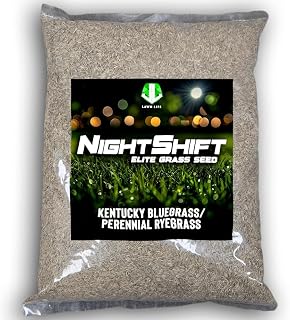
NightShift, formerly Blackout, blends deep-colored Kentucky bluegrass with perennial ryegrass for a dark, lush lawn. This mix emphasizes a high-contrast, dramatic appearance with a fine, carpet-like texture underfoot. The combination provides fast germination from ryegrass and long-lasting color from bluegrass, contributing to a durable lawn that remains visually striking in various light conditions.
Users can expect a striking, premium look with a soft feel. Maintenance should focus on appropriate mowing height to preserve the density of the carpet-like lawn. While the ryegrass aids early establishment, bluegrass will gradually dominate, potentially reducing the visible ryegrass proportion over time. Adequate water during germination and consistent feeding support a stable, high-quality finish.
Pennington Smart Seed Kentucky Blue Grass Mix

Pennington Smart Seed Kentucky Blue Grass Mix combines bluegrass with a smart fertilizer blend to support dense, lush growth and long-term durability. This mix is optimized for areas receiving 4 to 6 hours of sunlight, making it suitable for yard locations with partial shade and sun exposure. The included fertilizer helps reduce the risk of nutrient deficiency during establishment, contributing to quicker root development and a more resilient lawn overall.
As with any bluegrass-focused product, proper maintenance is key. Keep soil moisture steady during germination, then adjust irrigation based on climate and season. The blend’s fertilizer components support early root growth and canopy expansion, ultimately delivering a reliable, green turf with good wear tolerance and a robust appearance.
Buying Guide: Key Purchase Considerations
- Sun exposure: Choose blends designed for the typical sun pattern of your lawn. Some mixes perform best in full sun, while others tolerate light shade.
- Germination speed: Ryegrass generally germinates faster than bluegrass, helping establish a quick green cover. If rapid establishment is a priority, consider ryegrass-inclusive blends.
- Maintenance needs: Bluegrass varieties require regular mowing and fertilization to maintain density and color. Fertilizer-enhanced mixes can simplify initial care.
- Seasonality: Annual ryegrass offers winter color in warm climates but may not persist. Perennial ryegrass provides longer-term coverage but can alter turf feel over time.
- Soil and climate compatibility: Ensure the blend aligns with your regional climate and soil type to maximize wear resistance and recovery after traffic.
- Seed spacing and cover: Read product labels for recommended seeding rates and coverage. Proper soil contact improves germination success.
- Water management: Maintain consistent moisture during germination; reduce irrigation after establishment to prevent disease and thatch buildup.
- Long-term goals: If you want a pure Kentucky bluegrass lawn, select blends with a higher bluegrass ratio and plan for overseeding to maintain the bluegrass dominance.