Blue decorative gravel brings cool tones and visual depth to gardens, pathways, planters, terrariums, and water features. This guide highlights five popular blue gravel options from Amazon, focusing on colorfast, non-toxic selections that won’t alter water chemistry. Each option is evaluated for suitability in landscaping, outdoor beds, and indoor displays like terrariums or vases. Read on to compare textures, sizes, and use cases to help choose the right blue gravel for your project.
| Product | Brand | Use | Color/Size Notes |
|---|---|---|---|
| Blue River Rocks, 4.5 lb | ROYAL SAPPHIRE | Landscaping, terrariums, vase fillers | Blue stones, 2 cm – 3.5 cm, round & oval |
| Marina Decorative Gravel, 1 lb | Marina | Aquariums, color accents | Blue gravel, epoxy coated |
| Spectrastone Special Blue Aquarium Gravel, 25 lb | Estes | Aquariums, water features | Blue, non-toxic coating |
| ROYAL SAPPHIRE River Rocks, 500 g | ROYAL SAPPHIRE | Indoor/outdoor beds, planters, terrariums | Blue stones, 1 lb, round & oval |
| BXI 4.4 Lbs Small Aquarium Substrate Gravel Sand | BXI | Aquariums, decorative crafts | Polished blue glass sand, 1–3 mm |
Note: The selections above emphasize blue hues, rounded textures, and materials that are colorfast and safe for various indoor and outdoor applications. Each product is listed with its primary use, color characteristics, and texture so you can mix and match across planters, aquariums, and terrariums for cohesive blue landscaping themes.
Blue River Rocks By Royal Sapphire
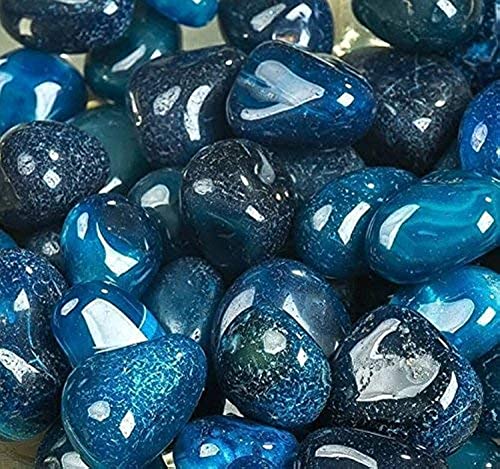
Material: Stone. Weight: 4.5 lbs (about 60 pieces). Size range: 2 cm to 3.5 cm. Color: Blue. Shape: Round & oval. Uses include interior or exterior garden beds, aquariums, and decorative vase fillers. The rocks help retain moisture, provide drainage, and offer a soft-edged surface that’s gentle on feet and plants. Durable and long-lasting, they resist deterioration unlike mulch.
Marina Decorative Blue Gravel

Brand: Marina. Weight: 1 lb. Color: Blue. This epoxy-coated gravel provides color accents for aquariums and planted displays, helping to hold plants and ornaments in place without altering water chemistry. A simple way to enhance blue tones in tank scenes or terrariums while maintaining safe conditions for aquatic life.
Spectrastone Special Blue Aquarium Gravel

Brand: Estes. Weight: 25 lb bag. Color: Blue. This aquarium gravel is designed for freshwater use and will not affect pH. The coating is non-toxic, offering a durable blue surface that remains colorfast under water. Suitable for multiple aquatic setups and can also serve as decorative accents in terrariums or plant displays.
ROYAL SAPPHIRE River Rocks Blue Gravel, 500 g
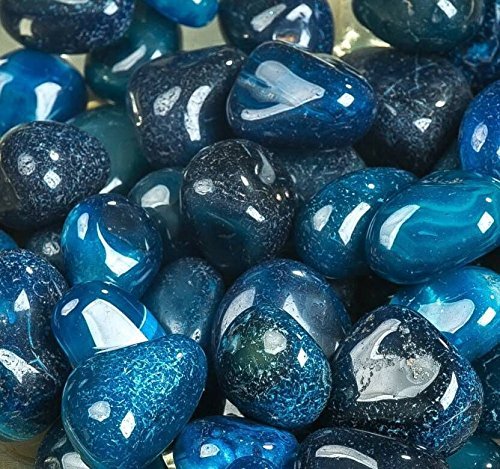
Brand: ROYAL SAPPHIRE. Weight: 500 g (about 1 lb). Color: Blue. Shape: Round & oval. Intended as an indoor/outdoor mulch alternative for garden beds, soil moisture retention, and drainage improvement. The stones are long-lasting with no sharp edges, enhancing safety for indoor displays, planters, and terrariums while contributing a blue aesthetic to landscapes.
BXI 4.4 Lbs Blue Substrate Gravel Sand
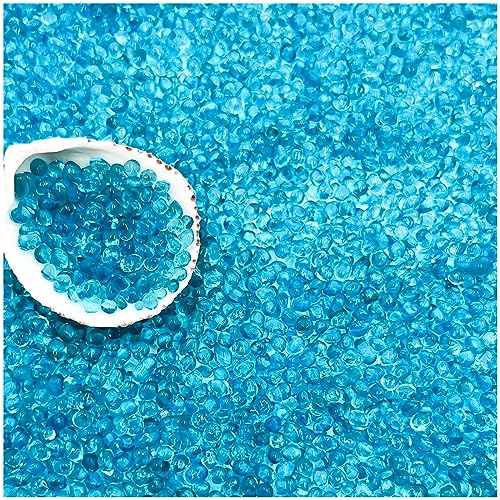
Brand: BXI. Weight: 4.4 lbs. Color: Blue. Size: 1–3 mm (0.04–0.12 in). This polished glass sand is colorfast, non-toxic, and safe for fish, plants, and animals. It does not alter water chemistry and offers a shiny blue finish that can brighten aquariums, terrariums, vases, and decorative crafts. Suitable for both water features and dry displays where a vivid blue sparkle is desired.
BXI 2.2 Lbs Blue Substrate Gravel Sand

Brand: BXI. Weight: 2.2 lbs. Color: Blue. Size: 6–10 mm (0.24–0.40 in). This compact blue glass sand offers smooth edges, colorfastness, and non-toxicity. It’s ideal for tiny terrariums, mini landscapes, vase fillers, and craft projects where a vivid blue accent is beneficial without affecting water chemistry.
QINJIEJIE Blue Sodalite Rocks

Note: A different blue mineral option is included here for reference, showing how blue-toned stones can range from decorative to healing crystals. While primarily marketed for Chakra and décor uses, sodalite stones can contribute blue accents in small plant arrangements, vases, and terrariums when used carefully. They are listed here to illustrate the variety available for blue landscaping aesthetics, beyond conventional gravel.
Buying Guide: Key Purchase Considerations And Comparisons
- Intended use: For outdoor landscaping, select durable, weather-resistant stones with rounded shapes to prevent soil compaction and to reduce sharp edges in garden beds. For aquariums and terrariums, choose non-toxic, colorfast options that won’t alter pH or water chemistry.
- Size and texture: Larger 2 cm to 3.5 cm pieces offer a bolder display in beds or planters, while smaller 1–3 mm or 6–10 mm pieces work well for aquariums, fairy gardens, or decorative accents. Consider a mix of sizes for a natural look.
- Color stability: Look for colorfast coatings or natural stones that resist fading with sunlight or aquarium lighting. Epoxy coatings can help color retention but verify compatibility with your environment.
- Safety and compatibility: Ensure materials are non-toxic for plants, fish, and pets. Avoid stones with sharp edges for high-traffic areas or containers that are handled frequently.
- Weight and installation: Heavier stones (slow-settling or larger sizes) may require more effort during installation, especially in outdoor beds or pathways. Lighter gravel is easier to spread but may shift with wind or water flow.
- Maintenance: Some gravels may require occasional washing or debris removal. Epoxy-coated gravel can resist algae growth, while natural stones might require periodic rinsing in garden settings.
- Environmental impact: Choose stones sourced responsibly and, if possible, opt for locally sourced options to reduce transport emissions and support regional suppliers.
- Budget and availability: Compare bag weights, coverage estimates, and shipping if purchasing online. Larger bags can reduce per-pound cost but require more space for storage.
In summary, blue gravel options vary from natural river stones to polished glass sand. For landscaping with an aquatic or terrarium angle, prioritize non-toxic coatings and colorfast materials. For outdoor beds and decorative planters, consider stones with rounded edges and moisture-retaining properties. By aligning texture, size, and safety considerations with your specific project, you can achieve a cohesive blue landscape that stays vibrant over time.