Looking for a compact, striking evergreen to anchor a small landscape? These blue Atlas cedar dwarf selections are ideal for limited spaces while delivering dramatic color and texture. This guide highlights five top options, explains who each best serves, and helps you compare growth habits, size potential, and care needs. Ideal buyers include bonsai enthusiasts, container gardeners, and homeowners seeking year‑round evergreen interest with minimal footprint.
| Product | Best For | Size Potential | Key Benefit |
|---|---|---|---|
| Horstmann Atlas Cedar 2 – Year Live Tree | Small yards and bonsai lovers | Up to ~10 ft | Compact upright form with icy-blue foliage |
| Dwarf Atlas Cedar Sapphire Nymph Cedar – 1 Year Live Plant | Patio gardens and decorative borders | Up to ~8 ft | Powder blue needles and creamy‑white new growth |
| Weeping Blue Atlas Cedar – 2 Year Live Tree | Dramatic focal point landscapes | Variable, often upright training possible | Weeping habit with icy-blue needles |
| Atlas Cedar | Medium Tree Seedling | DIY landscapers and hedging plots | Moderate, seed-grown | Seed-grown, hardy evergreen |
| Blue Atlas Cedar – Cedrus atlantica ‘Glauca’ 2 – Year Tree | Statement tree for focal points | Medium to large for a dwarf class | Vivid glauous blue needles with silvery bark |
Horstmann Atlas Cedar 2 – Year Live Tree

The Horstmann Atlas Cedar offers a compact, upright form that remains manageable in small landscapes, reaching about 10 feet tall. Its icy-blue foliage appears on short, upsweeping branches, providing a crisp color accent across seasons. Best for bonsai enthusiasts or gardeners seeking a low‑footprint evergreen with architectural presence. A potential limitation is its slower growth pace, which may require patience for a more mature silhouette.
Dwarf Atlas Cedar Sapphire Nymph Cedar – 1 Year Live Plant

This dwarf selection is ideal for small borders and container gardens. It grows to about 8 feet tall and is notable for powder blue needles on short sprays with striking creamy‑white new growth. Choose this if you want eye‑catching color in a compact tree. A caution: color intensity can vary with light and transplant stress, and younger plants may need steady moisture as they establish.
Weeping Blue Atlas Cedar – 2 Year Live Tree

This dramatic evergreen adds a graceful, waterfall‑like effect to landscapes. Its naturally slow growth, combined with a sprawling horizontal habit, makes it a standout even when trained upright. The icy‑blue needles on weeping branchlets create a striking visual for banks, slopes, or focal points. Best for homeowners seeking a signature evergreen with motion and elegance. Limitation: its weeping form may require support or pruning to maintain a desired silhouette.
Atlas Cedar | Medium Tree Seedling
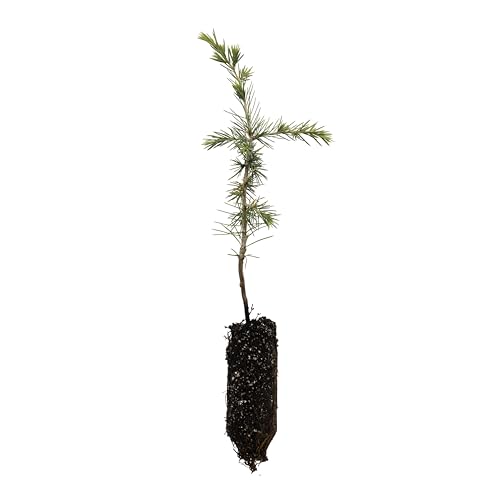
The Jonsteen Company’s Atlas Cedar seedling is a practical option for those who want to grow an Atlas Cedar from the ground up. It’s seed‑grown and includes care instructions, which is helpful for first‑time evergreen planters. Best for DIY landscapers and educators who value a native evergreen silhouette with flexibility as it matures. Caution: a longer establishment period means ongoing monitoring for watering and root development is important.
Blue Atlas Cedar – Cedrus atlantica ‘Glauca’ 2 – Year Tree

This young cedar features very large, upward‑reaching blue larch‑like needles that age to a vivid glaucoous blue. The fissured silvery gray bark adds to its majestic appearance, making it a prime focal tree for larger yards. Choose this if you want a strong, standout evergreen that can eventually dominate a landscape with age. Better for larger spaces; it may not be ideal for tiny plots due to eventual size and columnar growth tendencies.
Buying Guide
Key considerations when selecting a blue Atlas cedar dwarf include size goal, growth habit, climate suitability, and maintenance needs. The following questions help narrow choices:
- What space will the tree occupy now and in 5–10 years? Consider mature height and spread to avoid overcrowding.
- Do you prefer a columnar, upright look or a cascading/weeping form? Different cultivars provide distinct silhouettes.
- Is blue foliage a priority? Several selections exhibit icy blue needles, but color intensity can vary with light and season.
- What is your climate zone and soil type? Most blue Atlas cedars tolerate a range of soils but require good drainage and sun exposure.
- Are you planting in the ground or in a container? Some cultivars adapt to containers for smaller spaces, while others establish best in soil.
- What maintenance level are you comfortable with? Younger trees need consistent watering and occasional pruning for shape, especially in ornamental settings.
Buying Tips by Scenario
For compact spaces or bonsai projects, the Horstmann Atlas Cedar and Sapphire Nymph Cedar offer strong color without excessive height. If you want a dramatic vertical accent, the Weeping Blue Atlas Cedar provides movement and elegance, though it may require training to maintain a preferred silhouette. For beginners and gardeners growing from seed, the Atlas Cedar seedling provides a path to a larger, custom landscape partner over time. If you want a bold focal point that stands out in a mixed border, the Glauca 2-Year Tree supplies striking color and a proven evergreen presence.
Watering and Care Essentials
All blue Atlas cedar varieties benefit from well‑drained soil and full sun. Water deeply during establishment, then reduce frequency while maintaining steady moisture levels. Mulching helps retain soil moisture and protect roots in hot climates. Pruning should focus on maintaining shape rather than aggressive reduction, especially on weeping or upright forms.
Planting and Establishment Timeline
New plantings typically require consistent moisture for the first growing season. Expect gradual growth and a slow approach to full maturity, with most dwarf selections reaching their designated height within several years depending on variety and growing conditions.
Frequently Asked Questions
- Are blue Atlas cedars suitable for containers? Yes, certain dwarf selections are adaptable to large containers with proper drainage and regular watering.
- How fast do blue Atlas cedars grow? Growth rate varies by cultivar and environment; many dwarf forms grow slowly, especially as they establish.
- Do blue Atlas cedars require pruning? Pruning helps maintain shape and health but should be conservative to avoid stressing the tree.
- What is the best location for these trees? Full sun with well‑drained soil is ideal for best color and growth.
- Can these trees tolerate cold climates? Most blue Atlas cedars are hardy to a range of climates, with some cultivars performing better in colder zones.
- When should I fertilize? Light fertilization in early spring can support healthy growth; avoid overfertilization which can promote weak growth.