Looking for durable, heavy-duty nursery pots that are easy to move and stack? This guide highlights top blow molded nursery pots suited for home gardeners, commercial growers, and hydroponics setups. Each option offers strength, reliable drainage, and practical sizes for different plants. Below, you’ll find five picks that balance price, material quality, and practicality, along with a concise buying guide to help you choose the right fit.
| Product | Size / Capacity | Best For |
|---|---|---|
| Jgalnim 60 Pack 1 Gallon Nursery Pots | 1 gal | Home gardeners needing bulk starter pots for seedlings and cuttings |
| Large Blow Molded Nursery Containers, 4.16 Gallons | Trade Size 5 | Nursery operations, mid-sized plants, transplanting projects |
| Large Blow Molded Nursery Containers, 14.33 Gallon Squat Container | 14.33 gal | Larger plants and bulk root development, easy stacking |
| Large Blow Molded Nursery Container, 34 Gallon Squat Container | 34 gal | Large-volume transplanting and outdoor plantings |
| NSI Blow Molded Nursery Containers, Trade Size: 7 Squat | 6.085 gal | Economical option for market-ready stock and scalable planting |
Jgalnim 60 Pack 1 Gallon Nursery Pots

- Large Quantity: 60 pieces, 1 gallon size; opening diameter 7.1″, bottom 5.3″, height 6.7″.
- High Quality: Soft, thin plastic; lightweight; can recover after compression without breaking.
- Drainage Design: Bottom holes aid ventilation and drainage to help prevent root rot.
Best for: Budget-conscious home gardeners needing bulk seedling pots. Choose this if you want many identical containers for starter trays or transplanting projects.
Caution: Thin plastic may wear with heavy handling; consider stacking care and reliable drainage checks after watering.
Large Blow Molded Nursery Containers, 4.16 Gallons

- Blow-molded HDPE resin for strength; tapered side walls for rigidity.
- Trade Size: 5; designed for sturdy growth and easier handling.
Best for: Mid-sized nursery operations or hobbyists needing durable, reusable larger pots. Choose this if you require reliable structure for deeper root systems.
Caution: May be heavier than smaller pots; ensure proper lifting technique and stacking space.
Large Blow Molded Nursery Containers, 14.33 Gallon Squat Container

- Blow-molded HDPE resin; handles molded into plastic for easier movement and stacking.
- Tapered side walls add strength; squat design saves space when storing.
Best for: Growers needing a balance of size and manageable weight for mid-to-large plants. Choose this if you want a scalable option for larger transplants.
Caution: Large size means heavier handling; plan for adequate lifting and transport support.
Large Blow Molded Nursery Container, 34 Gallon Squat
- Supports large-volume transplanting with a durable, stackable design.
- Tapered side walls maximize rigidity and stability; molded handles aid movement.
Best for: Large outdoor plantings and commercial-style transplanting. Choose this if you need very large capacity in a relatively manageable form.
Caution: Very large footprint; ensure space for storage and transport equipment.
NSI Blow Molded Nursery Containers, Trade Size: 7 Squat
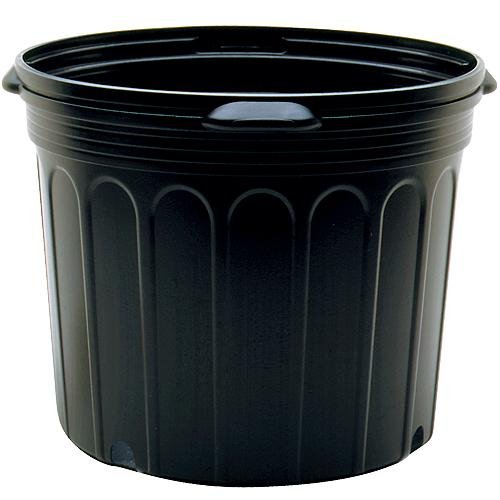
- Economy line of blow-molded containers; 100% HDPE; strong and flexible.
- Label-compatible for easy organization and market readiness.
Best for: Budget-driven operations needing dependable, economical pots for market-ready stock. Choose this if you prioritize cost-per-pot without sacrificing basic durability.
Caution: May be less robust than premium lines; verify handling needs for very large or heavy plants.
Buying Guide
- What material matters? Look for HDPE or similar blow-molded plastics for durability, lighter weight, and stackability. Recycled content can be a plus for sustainability.
- Which size is right? Match pot capacity to plant size and root development. Use smaller sizes for seedlings and cuttings, larger containers for mature plants.
- Drainage features: Ensure pots have bottom drainage holes or a patterned bottom to prevent waterlogging and root rot.
- Handling and transport: Consider pots with molded handles or wide bases if you move many pots at once or stack them for storage.
- Economy vs. premium: Economy options save money for bulk plantings, while premium pots can offer greater rigidity, longevity, and aesthetics for display environments.
- Storage and space: Large-volume pots require more storage space; plan for racks or stacking solutions to maximize space when not in use.
- Reuse expectations: Injection-molded or blow-molded pots generally support repeated use; check for flexibility and structural integrity after multiple cycles.
Frequently Asked Questions
- Are blow molded nursery pots better than traditional clay pots?
Answer: Blow molded pots are lighter, less breakable, and easier to stack, which is advantageous for bulk plantings and transport. Clay pots offer breathability but are heavier and more fragile. - Why do some pots have molded handles?
Answer: Molded handles facilitate moving and stacking, especially in large quantities or when pots are wet and heavy. - What size should I choose for transplanting seedlings?
Answer: Start with 1 to 2 gallon pots for seedlings; move to larger sizes as roots develop to avoid root binding. - Is HDPE plastic safe for plants?
Answer: Yes, many HDPE pots are designed for horticulture use and are BPA-free or recycled-content depending on the model. - Can these pots be reused after outdoor exposure?
Answer: Reuse is common with blow molded pots if they remain undamaged; inspect for cracks or stress before reuse.