Answer: Black plastic nursery pots are affordable, lightweight options ideal for starting seeds, transplanting, and home gardening. This guide highlights five reliable options, suitable for beginners, hobbyists, and small gardeners who want sturdy, reusable pots with good drainage. Each entry notes who it’s best for and why it stands out, with practical cautions to consider before purchasing.
| Product | Size/Count | Best For |
|---|---|---|
| OJYUDD 24 Pack 3″ Black Square Nursery Pots | 3 inches, 24 pcs | Starting multiple small seedlings |
| RooTrimmer 60 Pack 3″ Black Nursery Pots | 3 inches, 60 pcs | High-volume seed starting |
| KINGLAKE 100 Pcs 4″ Plastic Pots | 4 inches, 100 pcs | Steady seedling expansion |
| Sfee 100 Pack 4″ Plastic Nursery Pots | 4 inches, 100 pcs | Durable starter pots for various plants |
| SwinDuck 10 Pack 6″ Plant Pots | 6 inches, 10 pcs | Transplant readiness and larger plants |
OJYUDD 24 Pack 3″ Black Square Nursery Pots
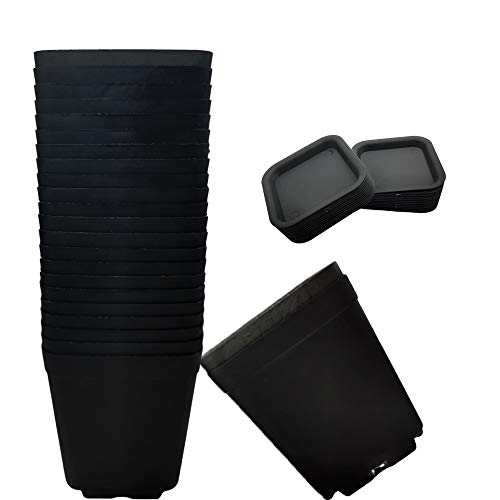
Best for: Home gardeners starting many small plants at once. These square pots are lightweight, reusable, and come with matching drain trays. They’re ideal for seedling flats, windowsills, and balcony setups where space is at a premium.
Why selected: The 24-pack provides quantity for batch germination while being easy to store. Made from eco-friendly durable plastic, they offer a stable shape and reuse potential for years of use. Drain trays help keep surfaces clean and reduce water mess.
Caution: Plastic can warp if exposed to extreme heat or direct, prolonged sun in poorly ventilated areas. Ensure adequate airflow and avoid stacking when hot.
RooTrimmer 60 Pack 3″ Black Nursery Pots

Best for: Large seedling batches and transplant workflows. The set includes 60 pots with 3-inch upper diameter, designed for easy handling and reuse across seasons. They provide a stable environment for seedling growth and simple transplanting to larger pots or beds.
Why selected: Lightweight yet durable, these pots are made from new raw plastic material, offering long service life and good flexibility. They’re easy to move and minimize space requirements during propagation.
Caution: Not suited for prolonged heavy-duty outdoor exposure without shade, as UV exposure can slowly affect some plastics. Monitor for any signs of cracking in extreme conditions.
KINGLAKE 100 Pcs 4″ Plastic Plants Pots Black
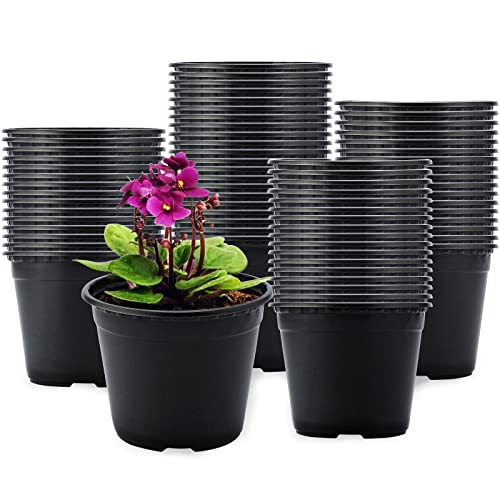
Best for: Seed starters and small to mid-size young plants that need more root space than 3-inch pots provide. The 4-inch diameter is a common stage for many herbs, flowers, and vegetables before transplanting outdoors.
Why selected: The 100-count offer makes it cost-effective for larger projects or classroom settings. Drain holes help maintain soil moisture balance and promote healthy root systems.
Caution: If used for very small seedlings, ensure not to over-pot, which can hinder root establishment. Consider starting in a slightly smaller pot if germination is slow.
Sfee 100 Pack Plant Nursery Pots 4 inch

Best for: Durable, reusable nursery pots for flowers, herbs, and vegetables. The 100-pack provides plenty of pots with 8 drain holes to improve soil drainage and air circulation around roots.
Why selected: Made from premium PP material with a design focused on drainage and permeability. Lightweight yet robust, they support healthy root zones and are suitable for both indoor windowsills and outdoor patios.
Caution: While designed for durability, heavy handling or rough stacking can still cause minor cosmetic wear over time. Use trays to protect surfaces during watering.
SwinDuck 10 Pack 6 Inch Plant Pots

Best for: Larger seedlings, herbs, succulents, and small houseplants that require more root space before final transplant. The 6-inch size is a common next step after starting in 4-inch pots.
Why selected: These pots feature a durable, matte black finish that hides soil and looks contemporary. Drainage holes and matching saucers help manage water while keeping growing areas tidy.
Caution: The 6-inch size means a larger initial soil volume; ensure you have space for eventual transplanting or repotting to prevent crowding.
Buying Guide: Key Considerations For Black Plastic Nursery Pots
- Size progression: Plan a sequence from small (2.5–3 inches) to medium (4 inches) and larger (6 inches) as plants grow. This helps manage transplant timing and root development.
- Drainage design: Look for pots with multiple drainage holes or a bottom hole pattern. Adequate drainage prevents waterlogging and supports healthy root respiration.
- Material durability: Polypropylene and PP-based plastics are common for reuse. Consider pots that withstand multiple seasons and resist cracking under normal garden use.
- Shape and stacking: Square/rectangular shapes save space on shelves and trays. Round pots may be lighter to move but can waste space when stored together.
- Color and finish: Matte black pots minimize glare and soil visibility, while still blending with most indoor and outdoor décor. A consistent finish helps with appearance in photos or display areas.
- Compatibility with tools: Ensure pots fit standard seedling trays and can be paired with saucers for drip management to prevent messes.
- Environment and reuse: If sustainability matters, check whether pots are produced from durable, reusable plastics and whether they’re easy to clean between uses.
Frequently Asked Questions
- What size pot should I start seeds in? Start with 2.5–3 inch pots for many herbs and small plants, and move to 4–6 inch pots as transplants become ready for bigger root systems.
- Are black plastic pots better than other colors? Color mainly affects aesthetics and temperature absorption. Black pots can stay visually neutral and hide soil while still absorbing some heat; for extremely hot conditions, lighter colors may reduce heat absorption.
- Can these pots be reused after transplanting? Yes, most of these pots are designed for multiple cycles with proper cleaning and gentle handling to extend their life.
- Do these pots come with drainage holes? Many listed options include drainage holes; always verify the product description to confirm hole count and placement before purchasing.
- Are these pots suitable for outdoor use? They are generally suitable for outdoor use, but prolonged direct sun or temperature extremes can affect plastic over time. Use in shaded or moderate exposure areas when possible.
- Is a matching saucer necessary? Saucers help catch excess water and keep surfaces clean. They’re recommended if you water frequently or place pots on delicate surfaces.