For American gardeners seeking flavorful, sturdy black beans, selecting the right seeds matters. This guide highlights five reliable options that span heirloom, non-GMO, and drought-tolerant varieties. Each entry includes practical growing notes to help you plan a productive harvest, whether you’re new to beans or expanding an established veggie patch.
| Product | Key Benefit |
|---|---|
| Bean Seed, Black Turtle Bush Bean (Country Creek) | Terrific flavor; fiber-rich |
| Cherokee Trail of Tears Bean | Rare heirloom with heavy yields |
| Black Valentine Bush Bean | Early, upright habit with solid flavor |
| Black Turtle Soup Bean Seeds | Rich, dense texture ideal for soups |
| Black Eyed Pea Seeds (Survival Garden Seeds) | High-protein, warm-climate adaptable |
Below are five carefully selected seeds with descriptive features to help you compare at-a-glance. Each product is linked in its section for quick access to Amazon details.
Cherokee Trail Of Tears Black Bean Seeds
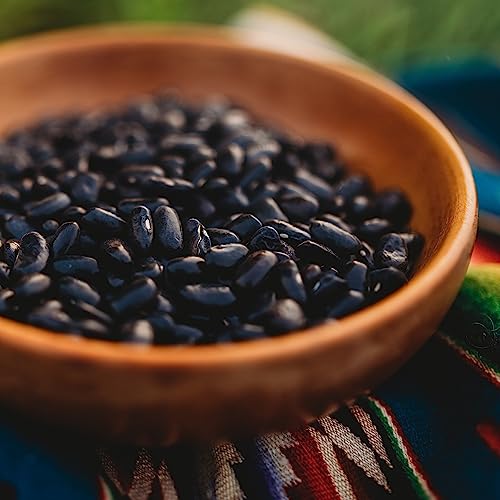
The Cherokee Trail of Tears Bean is a rare heirloom black bean variety, historically linked to the Cherokee people. This pole-type bean produces heavy yields of shiny black beans and has notable versatility since young pods can be consumed as fresh snap beans. The seeds are non-GMO and intended for outdoor planting, making them suitable for open gardens and traditional home plots. Gardeners should expect robust production, especially in warm-season climates, with ample irrigation during dry spells.
Black Turtle Soup Bean Seeds

Black Turtle Soup Beans are a well-known variety valued for their small, shiny beans and rich, earthy flavor. This non-GMO, heirloom seed pack from Isla’s Garden Seeds targets cooks who want a robust bean for soups and stews. They tend to have a dense texture when cooked and pair well with southwestern or Latin American dishes. These seeds are ideal for gardeners focusing on pantry staples and long-term storage after harvest.
Black Valentine Bush Bean Seeds
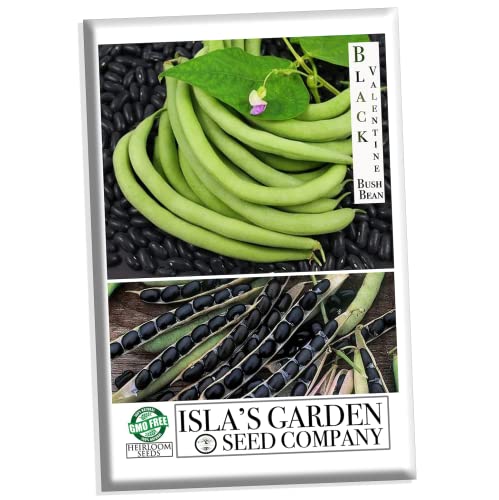
The Black Valentine variety is an attractive, early-maturing bush bean with long, round pods and strong flavor. This non-GMO, open-pollinated seed packet from Isla’s Garden Seeds emphasizes a compact habit that keeps beans above ground, reducing curling and tip rot. Germination typically occurs within 7–12 days under optimal soil moisture, and plants usually require minimal trellis support. Ideal for small gardens or containers, these seeds suit gardeners seeking quick, reliable harvests.
Black Eyed Pea Seeds For Planting

These Black Eyed Pea seeds from Survival Garden Seeds offer a historically nutritious option for warm climates. They are described as heirloom and non-GMO, suitable for fresh eating or long-term storage. The seeds support nitrogen fixation and soil health, making them a practical rotation crop. They thrive in longer growing seasons and can be stored for future planting, with detailed instructions included to guide growers from seed to harvest.
Sow Right Seeds Black Eyed Cowpea Seeds

The Sow Right Seeds Black Eyed Cowpeas are an open-pollinated, non-GMO option known for nitrogen-fixing roots and heat tolerance. The packet includes grower-friendly instructions and notes on optimal spacing and timing. Expect 2–6 ft tall plants with a 1–2 ft spread, maturing in roughly 80–100 days in suitable zones. They are versatile for fresh eating, drying, or storage, making them a practical addition to a diverse garden.
Buying Guide: Key Purchase Considerations
When choosing black bean seeds, consider climate, grower goals, and culinary preferences. Heirloom varieties often deliver unique flavors and historical value, but may require more careful disease management. Non-GMO seeds tend to be bred for reliability and flavor while avoiding modern genetic modification. For warm-season regions, drought-tolerant or deep-rooting varieties can improve resilience during dry spells. Assess growth habit—bush beans are compact and easy to manage, while pole beans may require trellises but can yield over a longer period. Finally, check seed packaging for germination rates, seed count, and planting guidelines to ensure a smooth start to the growing season.
Other perspectives to weigh include: potential pest pressures in your area, soil fertility, and rotation plans. If you’re new to beans, start with a bush variety for a predictable, low-maintenance harvest. For experienced gardeners seeking high yields, consider a pole bean or a variety noted for prolific fruiting. Use crop rotation to protect soil quality and reduce disease buildup. For culinary flexibility, pick varieties noted for strong flavor profiles or preferred use in soups, stews, or fresh pods. Ensure seed sources are reputable and labeled clearly as heirloom or non-GMO where relevant.