Fruit trees face constant threats from birds, insects, and small mammals. A reliable bird netting strategy helps protect ripening fruit without harming wildlife or hindering pollination during the growing season. Below is a curated guide to five high-performing bird netting solutions, each designed to fit different tree sizes and garden layouts. The selections emphasize durability, ease of use, and breathability to keep trees healthy while keeping pests out.
Summary of chosen products:
| Product | Brand | Size | Key Benefit |
|---|---|---|---|
| 4PCS Bird Netting for Fruit Trees | FIFNIM | 5×6.6 ft (per bag) | Lightweight, drawstring base, reusable |
| 10x10Ft Large Tree Netting for Fruit Trees | LHongL | 10×10 ft | Full coverage, dual-sided zippers |
| Fruit Tree Netting with 2-Way Zipper | Garden Tailor | 6.4×6.4 ft | Two-way zipper, breathable and light |
| Large Fruit Tree Netting with Drawstring & Zipper | Cookmaster | 10×10 ft | 60-mesh, durable, wind-resistant |
| 2PCS Large Fruit Tree Netting with Drawstring & Zipper | WenTao | 8×8 ft each | Two-pack, easy setup, secure fit |
FIFNIM 4-Pack 5×6.6Ft Bird Netting for Fruit Trees

This kit provides four lightweight nets, each large enough to cover individual fruit trees or a small shrub patch. The polyethylene mesh is UV-stabilized for long-term outdoor use, with a fine 0.03×0.03 inch weave that blocks birds, while still allowing sunlight, air, and moisture to pass through. A drawstring lock at the base lets you quickly secure the net around the tree canopy to minimize wind-blown displacement. It’s a practical choice for homeowners who want reusable protection without complicated setup.
LHongL 10x10Ft Tree Netting for Fruit Trees
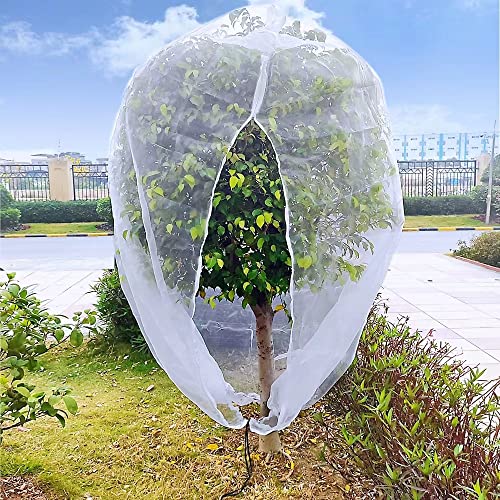
Designed for larger trees, this netting offers ample coverage with a 75-inch unfolded diameter. Dual-sided zippers provide convenient access to fruit without removing the entire net. The construction prioritizes durability in varying weather, while a reinforced drawstring seals the bottom, helping prevent wind entry. It balances robust protection with easy harvests, making it suitable for orchard-like backyard setups where frequent fruit picking is necessary.
Garden Tailor Fruit Tree Netting with 2-Way Zipper

Featuring a 6.4×6.4 ft footprint, this netting emphasizes two-way access through a top-and-side zipper design. It’s built with 40-mesh HDPE fabric that offers 90% light transmission and high breathability, supporting healthy photosynthesis while keeping out birds, cicadas, and other intruders. The material remains lightweight enough not to weigh down branches, and the drawstring ensures a snug fit around uneven canopies—especially helpful for densely foliated fruit trees.
Cookmaster 10x10Ft Tree Netting with Drawstring and Zipper

This large, heavy-duty option uses a 60-mesh polyethylene fabric designed to endure outdoor conditions. The netting comes with a drawstring and zipper for rapid installation and easy access during harvest. It covers a full 10×10 feet, suitable for many standard backyard trees such as peaches, cherries, apples, and citrus. Its sturdy construction helps minimize wind tearing while maintaining high levels of air and light penetration essential for plant health.
WenTao 2-Pack 8x8Ft Large Fruit Tree Netting

Two nets in a single package provide flexible coverage for multiple trees or a larger orchard bed. The 8×8-foot sizing is convenient for mid-sized trees, with a drawstring and zipper to secure around uneven canopies. Constructed from durable, UV-stable materials, this netting maintains protective performance through seasons, while still allowing adequate sunlight and rainfall to reach the canopy.
Buying Guide: How To Choose The Right Fruit Tree Netting
Selecting the right netting depends on tree size, layout, and local wildlife pressure. Consider the following factors to optimize protection and harvest efficiency.
- Size and coverage: For dwarf or young trees, smaller nets with adjustable drawstrings work well. For larger trees, choose 8×8 ft or 10×10 ft nets, or consider a multi-net approach to cover broader canopies.
- Mesh density: A finer mesh (highly dense) stops smaller pests but may reduce airflow. 40–60 mesh provides a good balance between protection and ventilation for most fruit crops.
- Access design: Zippers on one or multiple sides plus drawstrings simplify harvesting without removing the entire net. Look for two-way or top-and-side zippers for easier fruit picking from different angles.
- Durability and weather resistance: UV-stabilized polyethylene or HDPE fabrics withstand sun and rain. Heavier gauges last longer but may weigh more; ensure netting is lightweight enough not to constrict growth.
- Installation ease: Nets with clear drawstrings, sturdy fasteners, and included installation aids (stakes, cable ties) reduce setup time and wind displacement.
- Reuse and lifecycle: Reusable nets reduce long-term cost and waste. Check manufacturer guidance on washing and storage between seasons to extend life.
In practice, matching the netting size to your trees and the typical pest pressure in your area yields the best results. For a mixed orchard or multiple fruit types, a combination of 8×8 ft and 10×10 ft nets can cover diverse canopies efficiently. Always confirm that the netting’s color and weight won’t shade or overheat delicate fruit varieties during peak sun hours.
Beyond physical protection, netting should align with integrated pest management goals. Netting complements other practices such as preventive pruning, canopy management, and timed fruit thinning to reduce overall vulnerability. When used correctly, these nets help sustain yields and maintain fruit quality across growing seasons.