Orchid enthusiasts know that the right potting bark can make or break root health and overall growth. The best orchid bark varieties provide essential aeration, drainage, and moisture retention to mimic tropical epiphytic habitats. Below, you’ll find five highly regarded options that balance quality, durability, and performance across Phalaenopsis, Cattleyas, Dendrobiums, and other epiphytic orchids. Each selection prioritizes healthy root development while supporting easy repotting and long-term stability.
Summary of chosen products:
| Product | Brand | Key Benefit | Package Size | Notes |
|---|---|---|---|---|
| Better-Gro Orchid Bark – Premium Grade | Better-Gro | Optimized for root development with fir bark nuggets | 4 Quarts | Versatile for potting and repotting |
| Better-Gro Special Orchid Mix | Better-Gro | Excellent drainage and airflow with a multi-component formula | 4 Quarts | Great for a range of epiphytic orchids |
| 100% Organic Orchid Potting Bark | Soil Sunrise | All-natural, excellent aeration and drainage | 30 Quarts | USA-sourced pine bark additive |
| Orchiata Orchid Bark | Orchiata | Long-lasting, holds water on chip surfaces | Various | 5+ year lifespan |
| Legigo Organic Orchid Potting Bark | Legigo | Natural, well-sized chips for even distribution | 2 Quarts | Good for aeration and root growth |
Better-Gro Orchid Bark – Premium Grade

Product overview: This grower’s grade western fir bark is designed for epiphytic orchids, bromeliads, ferns, and tropical plants. The bark is sized to promote robust root development while creating a balanced environment for moisture management. Available in two sizes, it supports different potting needs and makes repotting straightforward. The mix leverages fir and pine bark components to establish an ideal root zone that encourages healthy growth and easy water management.
Key features: Western fir bark nuggets optimize root growth; versatile potting medium suitable for light repotting, base mixes, or spot filling; resealable packaging for longevity and reuse; two convenient size options (8 Dry Quarts and 4 Dry Quarts).
Better-Gro Special Orchid Mix

Product overview: A multi-purpose formula designed for a wide range of epiphytic orchids, including Cattleyas, Phalaenopsis, Dendrobiums, and more. Its dynamic blend supports optimal root growth through a combination of western fir bark, hardwood charcoal, sponge rock, coarse perlite, and bark nuggets, delivering superior drainage and airflow to replicate natural orchid habitats.
Key features: Custom blend to support diverse orchids; promotes robust root development with a balance of media components; excellent drainage and air flow; water retention managed by sponge rock and perlite to sustain growth without oversaturation.
100% Organic Orchid Potting Bark

Product overview: An all-natural, USA-sourced pine bark mix additive designed for orchid potting. It provides quick drainage and excellent aeration, suitable for indoor or outdoor container gardening. This bark is ideal for epiphytic plants needing a low-compaction substrate that supports root growth and easy repotting.
Key features: 100% natural, no artificial colors or additives; large-capacity option; supports aeration and drainage; suitable as a soilless additive or base medium for orchid mixes.
Orchiata Orchid Bark
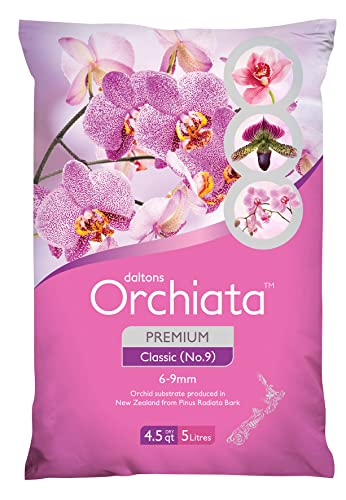
Product overview: 100% pure New Zealand Pinus Radiata bark designed for long-lasting orchid potting. Orchiata bark lasts 5+ years and holds water and nutrients on the outside layer of each chip, while creating a slightly rough surface for root anchoring. This durable substrate is touted for repotting longevity and toxin-free composition.
Key features: 100% pure New Zealand orchid bark; extended lifespan; promotes water and nutrient retention on the chip exterior; simple to use straight from the bag; provides a stable, toxin-free growing medium.
Legigo Organic Orchid Potting Bark

Product overview: Legigo offers a natural orchid bark mix that includes pine bark chips ideal for aeration and root development. It supports even distribution and is suitable for indoor plants and potted orchids. The chips are clean and appropriately sized to prevent compaction while encouraging strong root systems.
Key features: All-natural pine bark; approximately 3/8 inch chips to promote even distribution and airflow; ideal for orchids and houseplants; provides durable air space and drainage; can be used alone or mixed with other media.
Buying Guide
Choosing the right orchid bark hinges on several purchase considerations. This guide highlights important factors and how they affect growth and maintenance, helping you compare options across brands and formulas.
- Particle size and consistency: Uniform chip size ensures even aeration and drainage. Too coarse media can create air pockets that dry out roots, while too fine media can compact and suffocate roots. Look for bark with a balanced particle size that suits your orchid species.
- Durability and lifespan: Some barks break down quickly, requiring frequent repotting. Long-lasting options, like Orchiata, resist degradation and maintain air space, reducing maintenance burden.
- Drainage and aeration: Epiphytic orchids require excellent drainage and good airflow around roots. Media blends that include sponge rock, perlite, or charcoal can enhance these properties while still retaining sufficient moisture when needed.
- Natural composition: Organic, chemical-free barks are preferable for sensitive orchids. USA-sourced or New Zealand bark options tend to emphasize purity and consistency, aiding healthier root systems.
- Compatibility with orchid species: Phalaenopsis generally do well with standard orchid bark, while more demanding species like Dendrobiums or Cattleyas benefit from specialized mixes that emphasize airflow or moisture retention accordingly.
- Packaging and value: Larger bags offer better value for ongoing repotting needs, but ensure you can store and seal bags to prevent moisture absorption or pest issues.
- Usage versatility: Some media are designed for potting, repotting, or as a base for custom mixes. If you prefer a single-prep approach, look for versatile blends that support multiple stages of orchid care.
- Maintenance implications: Bark substrates require periodic inspection for signs of compaction, fungal growth, or unusual moisture retention. Rinse or flush as needed to prevent salt buildup from irrigation.
- Environmental considerations: Opt for barks sourced from sustainable forests and produced without chemical additives. This can support responsible gardening practices and ensure orchid health without introducing contaminants into the root zone.
In summary, the best orchid bark selection should align with your orchid species, potting style, and maintenance routine. Durability, drainage, and aeration are the core pillars to evaluate, along with packaging and value. The five options presented here provide a range of compositions and lifespans to suit beginners through advanced hobbyists seeking reliable root support and long-term simplicity in care.