Answering the search for durable, low‑maintenance bare root crabapple trees, these options suit different yards, soil types, and wildlife goals. The top picks are ideal for beginners and seasoned gardeners alike who want ornamental blooms, attractive foliage, and seasonal fruit. Best for small gardens are the Sargent varieties; best for wildlife and bloom display are the Dolgo and Prairie Fire; best for a starter ornamental fruit tree is Whitney Crabapple. The following selections help buyers compare planting needs, growth habits, and fruiting potential at a glance.
Summary of chosen products:
- GURNEY’S Whitney Crabapple Dormant Bare Root Starter Ornamental Fruit Tree
- Pink Flowering Prairie Fire Crabapple Dormant Starter Bare Root Ornamental Tree
- 12-18″ Tall Crabapple Roseglow Sargent (Malus sargentii)
- Set 2 Sargent Crabapple Tree 6-12 Inch Tall Bare Roots
- Dolgo Crabapple Apple Tree 4-5’ Grafted, Bare Root
GURNEY’S Whitney Crabapple Dormant Bare Root Starter Ornamental Fruit Tree
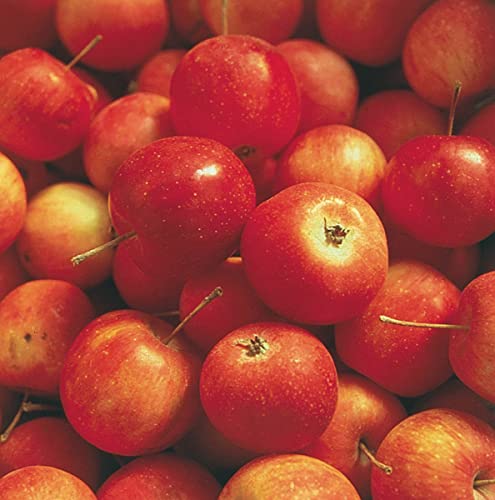
Best for small to medium yards and first‑time crabapple planters. This dormant bare root starter tree stands 2 to 4 feet tall and should be spaced 25 to 35 feet apart for best results. Plant in well‑drained, moist soil enriched with organic matter for optimal establishment. The Whitney crabapple adds ornamental value with bright blooms and seasonal fruit. Cautions: bare root stock may take longer to establish in poor or overly compacted soils; ensure soil is prepped with compost and mulch.
Pink Flowering Prairie Fire Crabapple Dormant Starter Bare Root Ornamental Tree
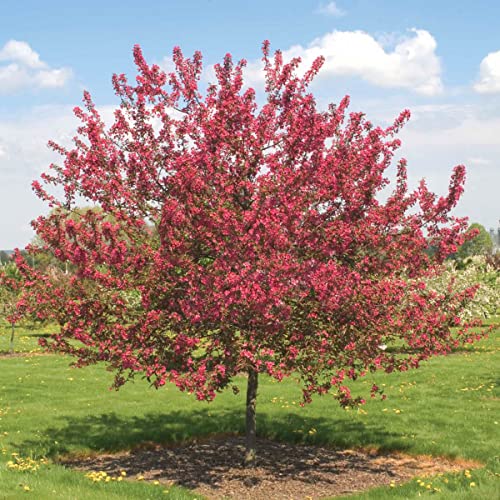
Best for landscape focal points with showy spring color. This one comes as a dormant bare root starter and is about 2 to 3 feet tall, with recommended spacing around 20 feet. It tolerates a wide range of soil types as long as drainage is good. Caution: flowering and fruiting may vary with climate; this variety tends to bloom reliably in mild winters and full sun. Choose this if you want a compact, ornamentally minded crabapple that still offers visual interest through the year.
12-18″ Tall Crabapple Roseglow Sargent (Malus sargentii) Dormant Bare Root
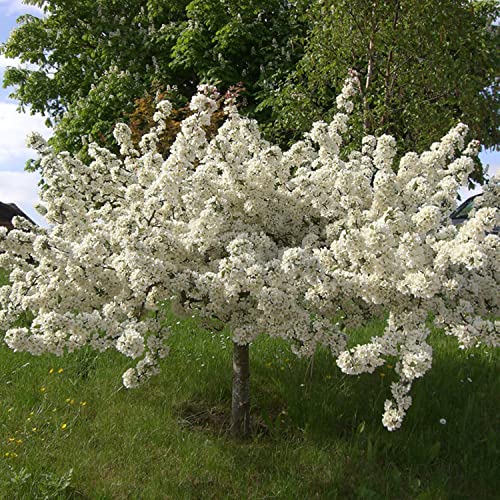
Best for low‑maintenance yards and diverse climates (zones 4–8). This Sargent crabapple is delivered as a dormant bare root 1–2 year old plant, measuring 12–18 inches. It is known for nearly year‑round beauty with white spring blossoms, yellow fall foliage, and bright red winter fruit. It is an alternate bearer, with heavy blooms every other year. Limitations include its variable fruiting pattern in certain climates and its requirement for well‑drained soil. Choose this if you want a compact, decorative crabapple with reliable hardiness across multiple zones.
Set 2 Sargent Crabapple Tree 6-12 Inch Tall Bare Roots

Best for budget-minded buyers who want a paired stake in a small landscape. This set includes two Sargent crabapple trees in bare root form, 6–12 inches tall. Growing requirements emphasize full sun, well‑drained, fertile soil, and regular watering to keep soil moist. The Sargent variety is an adaptable choice, offering year‑round appeal with low maintenance. Caution: growth may start slowly in very cold or windy sites; protect new transplants during the first growing season. Use this option if you need a paired display or pollinator-friendly planting.
Crabapple Bonsai Tree Seedling – 1 Year Old Bare Root (CZ Grain)

Better for bonsai enthusiasts or those seeking a compact tree with ornamental appeal. These crabapple seedlings arrive ready to plant as bare roots and can be trained into a bonsai form. They offer beautiful blossoms and fruit when mature. This option is best for containers or small spaces where a full‑sized tree would be impractical. Caution: bonsai cultivation requires continued care and pruning to maintain shape and health. Choose this if you want a small, decorative entry into crabapple growing or bonsai practice.
Buying Guide
What should you consider when buying bare root crabapple trees?
- Climate and zones: Confirm the variety’s hardiness zone compatibility with your area. Some crabapples tolerate a wide range of climates, while others prefer cooler or warmer conditions.
- Soil and drainage: Most bare root trees need well‑drained soil. Improve heavy soils with compost and organic matter before planting.
- Sun exposure: Full sun (at least 6 hours daily) supports bloom, fruit, and overall vigor.
- Spacing: Plant trees with sufficient space to grow to their mature width to reduce competition for nutrients and water.
- Watering: Bare root trees need steady moisture during establishment. Water deeply but avoid waterlogging.
- Pollination: Some crabapples require cross‑pollination for fruiting. If you’re aiming for fruit, consider planting a compatible pollinator nearby.
- Maintenance: Mulch to retain moisture and suppress weeds. Prune lightly after planting to establish shape and remove any damaged roots.
Quick comparison
- Best for ornamental display: Pink Flowering Prairie Fire and Whitney Crabapple.
- Best for compact spaces: Roseglow Sargent (smaller size, year‑round beauty).
- Best value (bundled): Set of 2 Sargent Crabapple trees for paired planting.
- Best for bonsai or container growing: Crabapple Bonsai Seedling.
Frequently asked questions
- What is a bare root crabapple tree?
A bare root tree is sold without soil around the roots, typically dormant, reducing weight and shipping costs and requiring immediate planting upon arrival. - Do bare root trees transplant well?
Yes, when planted properly during the dormancy period with intact roots and adequate moisture, they establish well in the first growing season. - How much sun do crabapples need?
Most crabapples perform best in full sun, which means at least 6 hours of direct sunlight per day. - Are crabapples good for wildlife?
Yes, many varieties provide nectar for pollinators in spring and fruit for birds in fall and winter. - How far apart should I plant crabapple trees?
Plant according to the mature width of the variety; typical spacing ranges from 15 to 35 feet depending on cultivar. - Can I plant bare root fruit trees in spring?
Bare root trees are commonly planted during dormancy in late winter to early spring for best establishment.