Finding an effective solution for odorous house ants means selecting baits that both attract workers and disrupt the colony. This guide reviews five highly regarded options, focusing on indoor and mixed indoor-outdoor use, long-lasting effects, and the ability to reach the nest. Each product below references its key features to help you compare how well it targets odorous house ants and other common household species.
| Product | Type | Indoor/Outdoor | Key Benefit |
|---|---|---|---|
| Terro Ant Killer Bait Stations T300B | Liquid Bait Stations | Indoor | Fast-acting colony reach with liquid bait |
| BASF Advance 375A Granular Ant Bait | Granular Bait | Indoor/Outdoor | Uses social feeding to eliminate colonies |
| Atticus Savitri Ant Gel Bait | Gel Bait | Indoor/Outdoor | Prefilled syringe for easy application |
| Max Force Fleet – RapidShield Ant Control | Fipronil-based Bait | Indoor/Outdoor | Fastest-acting, long-lasting |
| Homeplus Ant Killer AB | Metal Bait Stations | Indoor/Outdoor | Multi-species attraction with shared-bait approach |
Odorous house ants are highly social and forage widely, so effective control often relies on baits that are attractive to workers and delivered back to the colony. The products below are selected for their suitability in homes and near entry points, their support for colony-wide control, and their track records in targeting odorous house ants.
Terro Ant Killer Bait Stations T300B

Terro’s liquid bait stations are designed to attract sweet-eating ants and deliver rapid results. The product is expressly formulated to be shared by foraging ants, helping to reach the colony beyond what is visible on the surface. The liquid bait facilitates a fast reduction in ant activity, as workers carry bait back to the nest, leading to broader colony impact. This option is well-suited for indoor use where ants are actively feeding on accessible surfaces and trails.
Key considerations: The stations are discrete and easy to place along ant trails and suspected nesting zones. Terro’s liquid bait approach is particularly effective for odorous house ants when the bait is replenished as it’s consumed. The product emphasizes that it kills ants you don’t see by leveraging social feeding behavior, making it a solid first-line option for indoor elimation efforts.
BASF Advance 375A Granular Ant Bait
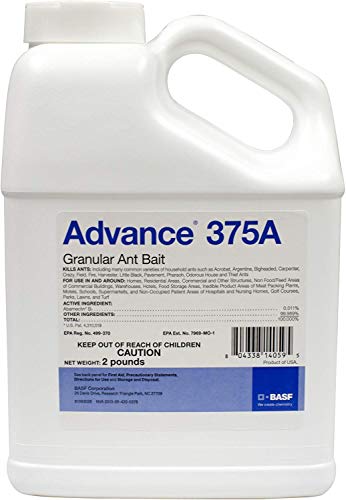
This granular bait is designed for flexible use around structures and in various environments, indoors or outdoors. The active ingredient abamectin works with the ants’ social feeding behavior, encouraging bait sharing to terminate the entire colony. The formulation includes mixed grit sizes to accommodate different ant species and foraging behaviors, helping it reach odorous house ants that traverse varied paths. It also supports perimeter and spot treatments, broadening its deployment options.
Key considerations: Placement matters; scattering granules around entry points and along trails can maximize uptake. Delayed-action bait benefits can allow for colony-level spread as ants transport bait to nests. This product is particularly advantageous when you want a multi-surface solution that can be used around the home, in yards, or near potential nesting zones.
Atticus Savitri Ant Gel Bait
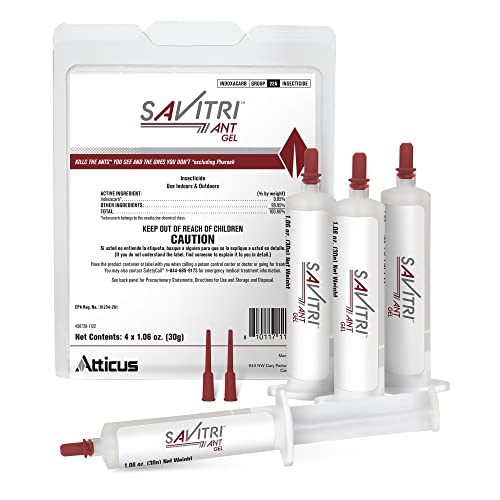
Atticus Savitri Ant Gel uses indoxacarb as its active ingredient, a trusted option for professional-grade colony control. The product is designed for quick ant kill and broad species coverage, with emphasis on practical indoor and outdoor use. The prefilled syringe simplifies application, letting you lay a thin line or spots near trails and nests. The gel leaves little to no residue and is odor-free, making it suitable for sensitive indoor environments where odorous house ants tend to appear along baseboards and entry points.
Key considerations: Consider Gel Bait when you need targeted application in narrow paths or along walls where ants travel. Its residue-free profile reduces concerns about household smells or sticky cleanup. The broad species coverage means it’s a good option if you’re dealing with multiple ant species in addition to odorous house ants.
Max Force Fleet – RapidShield Ant Control

Max Force Fleet is a fipronil-based bait that emphasizes rapid activity against colonies and long-lasting protection. The product’s formulation is designed to yield fast results, with a focus on indoor and outdoor settings where odorous house ants and other species establish trails. The emphasis on a thicker formula helps it stay in place, increasing the likelihood that ants will carry bait back to the nest and contribute to colony-wide control. This makes it a strong option for homes facing persistent ant problems near kitchens, walls, and entryways.
Key considerations: Prioritize for situations where ants move quickly and establish sizable foraging networks. The wide spectrum of effectiveness against multiple species, including odorous house ants, supports a flexible approach to pest management around the home. Consider combining with other bait systems if activity remains high in overlooked zones.
Homeplus Ant Killer AB

Homeplus AB uses metal bait stations and a multi-source bait approach to attract and kill a variety of ants, including odorous house ants. The metal stations are child-resistant, which adds a safety benefit in homes with children and pets. The bait uses four food sources to lure ants, encouraging worker ants to feed and transport bait to their colony. This approach supports colony-wide suppression while providing a durable, reusable station that can be placed around the home’s perimeter or near known trails.
Key considerations: Metal stations reduce the risk of tampering and allow repeated use across seasons. This product’s compatibility with multiple ant species makes it a practical choice for households with a mixed-ant problem. The shared-bait mechanism is particularly helpful for addressing odorous house ants that have established long foraging routes.
Buying Guide: Key Purchase Considerations
Choosing the best bait for odorous house ants involves weighing several factors. Consider the following as you compare products and plan your treatment strategy.
- Species specificity: Odorous house ants are just one common target among several species. Look for products that demonstrate broad spectrum activity or specifically list odorous house ants among controlled species.
- Active ingredient: The active ingredient drives how quickly ants die and how colony-wide the effect can be. Liquid baits and gels with fast uptake can reduce visible activity quickly, while granular and solid baits may offer longer-term suppression as colonies feed over time.
- Indoor suitability: For indoor use, consider odor, residue, and ease of application. Odorless and residue-free formulations are preferable for homes with sensitive occupants.
- Delivery method: Liquid baits, gels, granules, and solid bait stations each have distinct deployment styles. Pick a method that aligns with your home layout, trail visibility, and ease of replenishment.
- Colony reach: Ants can live inside walls and beyond obvious trails. Baits designed to be shared within the colony—whether through workers returning bait to nests or through social feeding—tend to achieve broader control.
- Safety and accessibility: For homes with children and pets, consider bait stations that minimize exposure. Prefilled syringes and enclosed stations can reduce accidental contact.
- Reapplication strategy: Bait effectiveness depends on ongoing maintenance. Plan for regular checks and refills as ants consume bait, especially along trails and entry points.
- Weather and site considerations: Outdoor use requires weather resistance and placement strategies that protect bait from rain or sun while maximizing exposure to foraging ants.
- Cost and maintenance: While not listing prices here, factor in how often bait must be replenished and the number of stations or units included in a package to estimate long-term costs.
In practice, a combined approach often yields the best results. Start with a primary bait in the most active zones (kitchens, entry points, along baseboards) and supplement with additional stations or gels near nests or along known trails. Regular monitoring—watching bait consumption, activity levels, and ant movement—helps you adjust placement and timing for maximum colony impact.
Finally, ensure you follow all label directions on each product. Proper usage not only improves effectiveness but also ensures safety for household members and pets.