Aphids are a common challenge for indoor and outdoor plants, often bringing a range of problems from stunted growth to sooty mold. The following selections are among the most effective, user-friendly options for controlling aphids and related pests like whiteflies, spider mites, and mealybugs. Each product highlights plant safety, effectiveness, and suitability for organic or conventional gardening. Below you’ll find a concise guide and five well-regarded choices to help you protect your greenery with confidence.
| Product | Brand | Key Benefit | Usage Note |
|---|---|---|---|
| Safer 5118-6 Insect Killing Soap Concentrate | Safer | OMRI listed, broad pest coverage | Suitable for flowers, herbs, vegetables, houseplants |
| BioAdvanced All-in-One Rose & Flower Plant Care | BioAdvanced | Insecticide and fungicide combo for multiple pests | Ideal for roses and flowering plants |
| Earth’s Ally Insect Control | Earth’s Ally | Plant-derived oils, OMRI listed | Safe for organic gardening, daily harvests |
| EcoVenger (EcoRaider) Garden & Plant Insect Control | EcoVenger | Plant-based, fast action against multiple pests | Indoor/outdoor use; test on delicate plants |
| Natria Insecticidal Soap | Natria | Ready-to-use soap for indoor/outdoor plants | Safe for organic gardening; harvest-friendly |
Safer 5118-6 Insect Killing Soap Concentrate
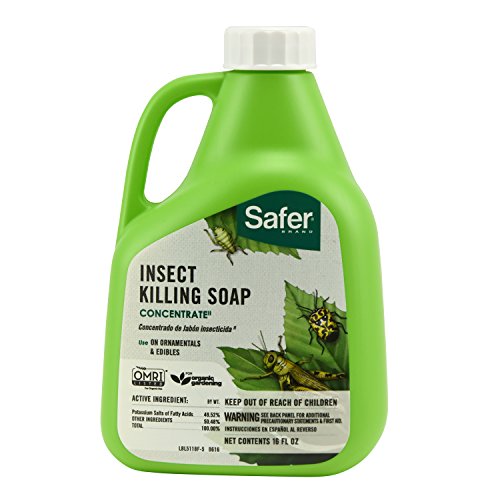
The Safer Insect Killing Soap Concentrate offers a gentle yet effective approach to controlling a wide range of soft-bodied insects. It is suitable for flowers, vegetables, herbs, houseplants, lawns, trees, and shrubs. Being OMRI listed supports its compatibility with organic gardening practices. The product targets aphids, whiteflies, thrips, spider mites, and more, making it a versatile option for mixed plantings. Apply spray at the first sign of damage and repeat every 5–7 days while pests are present, continuing through harvest where applicable.
BioAdvanced All-in-One Rose & Flower Plant Care

This ready-to-use spray combines insecticidal and fungicidal action to defend roses and flowering plants from a broad spectrum of pests, including aphids, whiteflies, and Japanese beetles. It also controls diseases like black spot, powdery mildew, and rust. The dual-action formula keeps plant environments healthier by addressing common fungal issues alongside insect pressure. For best results, thoroughly coat the plant, including undersides of leaves and new growth, and reapply as directed when new pest pressure appears.
Earth’s Ally Insect Control

Earth’s Ally blends essential oils such as rosemary, clove, and peppermint into an OMRI-listed insect control spray. It is designed to knock down common soft-bodied insects while acting as a repellent that helps prevent re-infestation. The formulation supports use on herbs and vegetables right up to harvest, offering a practical option for organic gardeners seeking a non-synthetic approach to aphids, mites, and mealybugs. Users should spray all plant surfaces, including undersides of leaves, for thorough coverage.
EcoVenger Garden & Plant Insect Control
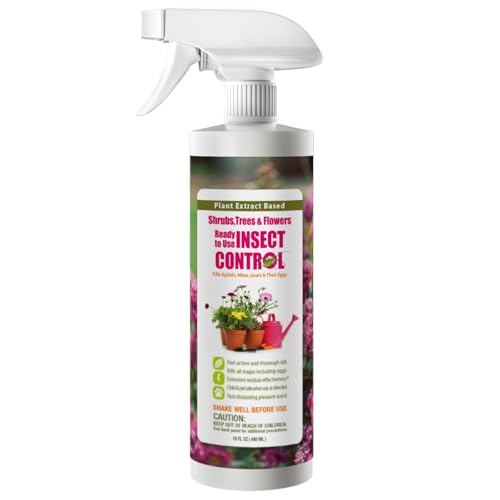
EcoVenger uses plant-based ingredients designed to kill aphids, mealybugs, red spiders, armyworms, gnats, and other pests. It offers fast contact kill and preventive action, with guidance to dilute for delicate plants. The product treats both foliage and soil, addressing hidden eggs and larvae. Because it is plant-based, it is often favored by gardeners seeking non-toxic options, though users should perform a spot test before widespread application on sensitive varieties.
NATRIA Insecticidal Soap

Natria’s Ready-to-Use Insecticidal Soap targets aphids, mites, whiteflies, and other common pests on indoor and outdoor plants. The 24-ounce bottle is convenient for home use and supports organic gardening practices by allowing application up until harvest. Its easy-to-use spray format makes it a practical option for quick responses to new infestations, especially on houseplants and container gardens. Coverage is typically broad, with emphasis on soft-bodied insects that feed on leafy growth.
Buying Guide: Key Purchase Considerations
- Plant safety and substrate: Choose formulas labeled as safe for edible crops if you plan to spray herbs or vegetables. Look for OMRI listings for organic gardening compatibility.
- Mode of action: Decide between contact killer sprays (rapid knockdown) and systemic or preventive options. Some products also offer fungicidal benefits for disease control.
- Target pests: Confirm that the product lists aphids among its pests and checks for compatibility with other pests you encounter, such as whiteflies or spider mites.
- Plant type and tolerance: Delicate plants may require dilution or spot-testing. Always test on a small area or a few leaves before broad use, especially for flowering or new growth.
- Indoor vs. outdoor use: Some formulations are optimized for indoor plants, while others are designed for outdoor landscapes. Consider your environment and spray exposure limits.
- Frequency of application: Note recommended reapplication intervals. Frequent spraying may be disruptive to beneficial insects if used outdoors, so time applications accordingly.
- Harvest timing: If you grow edible crops, verify that the product allows use up to harvest or check any withholding periods specified by the manufacturer.
- All-in-one options: Some products combine insecticidal action with fungicidal protection, which can simplify routines for roses and other flowering plants.
- Safety and storage: Follow label directions for storage, protective gear, and safe handling to minimize exposure to humans and pets.
Across these options, gardeners should balance speed of kill, spectrum of pests controlled, plant safety, and suitability for organic gardening. For severe infestations, integrating a rotating approach—switching between a soap-based spray, a plant-oil blend, and a contact insecticide—can reduce resistance and improve long-term results. Always read labels for specific use instructions, dilution rates, and harvest considerations to keep your plants healthy and productive.