Bird feeders can attract ants, spoiling nectar and creating maintenance headaches. The following ant-trap and moat solutions are designed to keep nectar accessible to birds while repelling or blocking ant intruders. Each option offers a different approach—water-filled moats, gels, or integrated barriers—so you can pick the one that fits your feeder style and environment.
| Product | Brand | Type | Key Benefit |
|---|---|---|---|
| Trap-It Bird Feeder Ant Trap | Wildlife Accessories | Water moat | Impassable barrier to ants; easy to clean |
| MEKKAPRO Ant Moat | MEKKAPRO | Water moat | Durable, versatile for multiple feeder types |
| BugSnub Hanging Ant Guard | BugSnub | Gel-based barrier | No liquid moat; advanced gel barrier |
| Ant Moat for Hummingbird Feeders (4 Pack) | Knowone | Water moat | Large capacity with clear reservoir |
| Perky-Pet AntGuard for Hummingbird & Oriole Feeders | Perky-Pet | Permethrin-based barrier | Fast-acting ant repellence; weather-protected |
The following sections detail five top choices designed to defend hummingbird and oriole feeders from ant activity, with emphasis on ease of use, durability, and compatibility with common feeder designs.
Trap-It Bird Feeder Ant Trap

The Trap-It is a water-based moat designed to protect bird feeders from ants and other insects. Its compact 3″W x 3.75″H size makes it suitable for many hummingbird and nectar feeders. The moat is refillable with water, creating a barrier that ants cannot cross. Easy to clean and store when not in use, this option emphasizes straightforward maintenance alongside reliable ant protection.
MEKKAPRO Ant Moat for Hummingbird Feeders
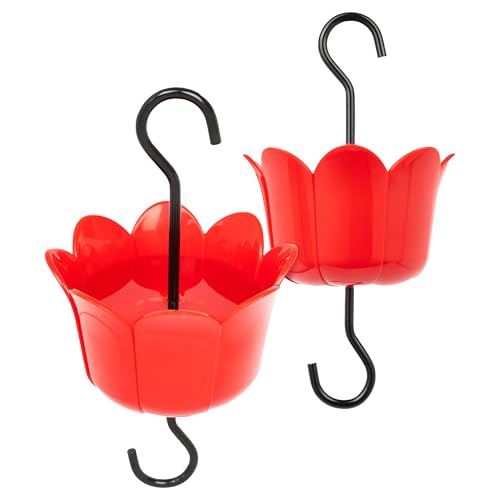
MEKKAPRO offers a heavy-duty iron moat designed to guard hummingbird feeders. This versatile guard can be used with various feeder types, including hummingbird and oriole feeders, ensuring broad compatibility. No assembly is required—just hook and fill with water to establish a protective barrier. Durability and simple setup are the hallmarks of this option.
BugSnub Hanging Ant Guard (1-Pack)

BugSnub uses a unique upside-down design with a gel barrier to deter ants without relying on a liquid moat. The system typically includes a gel packet and a hanger, making it a compact, low-mess solution for bird feeders. The odorless, food-grade gel forms a physical barrier that ants cannot bypass while remaining safe for pets and wildlife.
Ant Moat for Hummingbird Feeders, 4 Pack
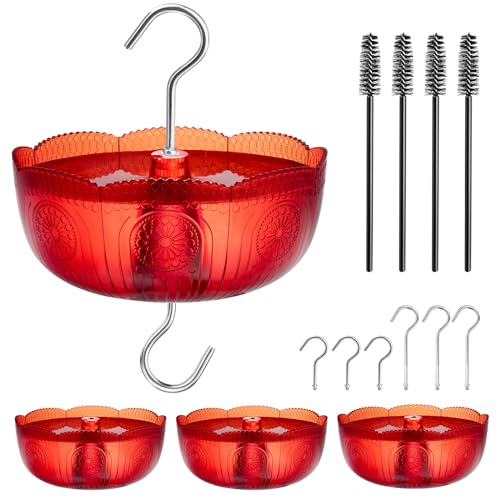
This 4-pack from Knowone features large-capacity moats with clear reservoirs for easy water level monitoring. The 6-ounce capacity per moat helps ensure longer intervals between refills, while the clear plastic design allows quick visual checks. A stainless hook adds durability and rust resistance for outdoor use.
Perky-Pet AntGuard for Hummingbird & Oriole Feeders

The Perky-Pet AntGuard provides a permethrin-based barrier that repels sugar-eating ants from multiple feeder types. It offers fast-acting protection within 24 hours under optimal conditions and features a weather-protected plastic dome to extend its effectiveness across seasons. This option emphasizes early action and lasting defense.
Buying Guide
Key purchase considerations help ensure you select an ant-trap or moat that matches your feeder, climate, and birds. The following perspectives cover common trade-offs and best-use scenarios.
- Moat vs. gel barrier: Moats using water are simple and inexpensive but require periodic refilling and can be affected by wind or evaporation. Gel barriers eliminate liquid maintenance but may require more careful handling and replacement over time.
- Feeder compatibility: Check the moat’s dimensions and mounting method to confirm compatibility with your feeder model. Some moats fit standard hummingbird feeders, while others are designed for broader or smaller setups.
- Capacity and maintenance: Larger capacity moats require less frequent refills but add weight and potential wind resistance. Consider whether you want a reusable, easy-clean option or a disposable gel kit.
- Durability and materials: Metal guards and hard plastics resist weather and corrosion, while clear visibilities (transparent reservoirs) help monitor water levels at a glance.
- Safety and wildlife: Choose products with food-safe gels or insect barriers and ensure materials pose no risk to birds, pets, or non-target wildlife. Verify installation requires no tools or minimal effort if convenience is a priority.
- Installation and maintenance burden: Some designs require assembly, while others are ready to hang. Consider how often you’re willing to perform maintenance, particularly in hot or insect-heavy environments.
- Effectiveness under weather: In hot climates, some barriers evaporate quickly; in humid areas, gels may degrade. Look for weather-protected or sealed variants where relevant.
- Multi-feeder use: If you have several feeders, a modular or pack solution can reduce costs and simplify setup, provided each unit remains accessible to the birds.
- Cost and availability: Compare price points and availability, especially for multi-pack options, and consider long-term replacement needs when budgeting.