Answering buyers looking for all bark mulch options, this guide highlights cypress mulch choices and related bark products from Amazon. The selections emphasize substrate that helps maintain humidity, drainage, and soil health for terrariums, potted plants, and garden beds. This overview targets homeowners, reptile hobbyists, orchid growers, and container gardeners seeking natural, tree-bark-derived mulches. Each product section explains who benefits most and why it was chosen, with practical considerations for selecting between cypress, pine, or orchid bark substrates.
| Product | Best For | Why It Stands Out |
|---|---|---|
| Galapagos Cypress Tank Mulch Forest Floor Bedding | Terrarium and reptile habitats | High absorbency and natural feeding-friendly bark |
| Josh’s Frogs Super Cypress Reptile Mulch | Humidity-loving reptiles | Pure Cypress mulch; mold resistance and humidity stability |
| Levemolo Cypress Mulch Reptile Bedding | Terrariums and decorative substrate | 100% natural tree bark with realistic look |
| CJGQ 9 Qt Organic Orchid Potting Bark | Orchid planting and epiphytic plants | Natural pine/chipped bark suitable for aeration |
| Soil Sunrise Pine Bark Nuggets | Indoor/outdoor containers and terrariums | All-natural pine bark with drainage and appearance benefits |
Galapagos Cypress Tank Mulch Forest Floor Bedding

Brand: Galapagos | 8-Quart | Natural
- Features: High Absorbency; Controls Tropical Humidity; Smaller Bark Facilitates Natural Feeding Habits; Sustainable Timber By-Product
Best for: Terrarium keepers and reptile hobbyists who need a moisture-absorbent substrate that also supports natural behaviors. Chosen for its balance of humidity control and sustainable sourcing. Caution: not all habitats require high absorbency; monitor humidity to avoid excess dampness.
Josh’s Frogs Super Cypress Reptile Mulch

Brand: Josh’s Frogs | 10 Quarts | Pure Cypress mulch
- Features: Pure Cypress mulch with no cedar/pine; better humidity maintenance; mold resistant
Best for: Reptiles and amphibians sensitive to tannins or other wood chips. Choose this if you want a substrate designed to stabilize humidity and reduce mold risk. Limitation: Cypress mulch can be pricier than some pine-based options.
Levemolo Cypress Mulch Reptile Bedding
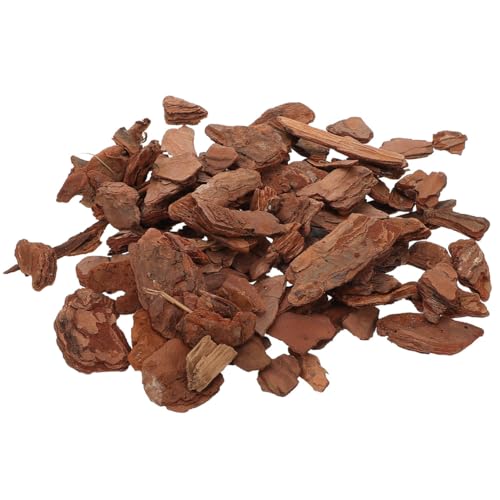
Brand: Levemolo | 1 bag Cypress Mulch
- Features: 100% natural tree bark; lifelike texture; easy placement and maintenance-free substrate
Best for: Terrarium decor that mimics natural forest floor while providing a safe, natural substrate. Caution: volume and particle size vary by bag; check before use in small enclosures.
CJGQ 9 Qt Organic Orchid Potting Bark

Brand: CJGQ | 9 qt | Organic orchid potting bark
- Features: Large capacity; 100% natural pine bark; suitable for orchid root development and soil amendment
Best for: Orchid enthusiasts and mixed-pot setups where bark mulch aids aeration and drainage. Choose this if you want an orchid-focused substrate with consistent particle size. Limitation: not a pure Cypress mulch, but a bark product suitable for orchid roots.
Soil Sunrise Pine Bark Nuggets (30 Quarts)

Brand: Soil Sunrise | 30 Quarts | Pine Bark Nuggets
- Features: All-natural ingredients; uses include soil supplement, terrariums, bonsai care; benefits include drainage, appearance, water retention
Best for: Container gardeners and terrarium builders who prefer pine bark as a ready-to-use substrate option. Caution: not Cypress; consider specific humidity needs of your setup.
Buying Guide: Cypress and Bark Mulch Purchase Considerations
What substrate matches my needs?
- Terrarium humidity: Cypress mulch generally offers good humidity stability; ensure your enclosure requires higher moisture levels before selecting.
- Plant type: Orchids and epiphytic plants benefit from well-aerated bark; for dense root systems, look for finer particles or a mix with perlite.
- Drainage vs. moisture retention: Pine bark chips improve drainage and appearance, while cypress mulches can enhance humidity stability. Decide based on your plant or animal’s needs.
- Purity and additives: Prefer 100% natural bark with no added fertilizers or pesticides for sensitive terrariums or orchids.
- Particle size: Larger nuggets are better for drainage; smaller chips allow closer soil contact and faster moisture exchange.
Frequently Asked Questions
- What is the difference between cypress mulch and pine bark mulch?
Answer: Cypress mulch tends to retain moisture differently and can resist mold in humid environments, while pine bark often drains quickly and is widely used for general gardening. Choose based on humidity needs and plant tolerance. - Is orchid bark suitable for terrariums?
Answer: Yes, orchid bark can be used for terrariums and potting mixes to improve aeration, but ensure particle size is appropriate for the enclosure. - Can I mix different bark substrates?
Answer: Yes, mixing bark types can balance drainage, aeration, and moisture retention to match your setup. - Are there safety concerns with reptile substrates?
Answer: Use bark products labeled as safe for reptiles and avoid cedar or treated woods that can emit volatile compounds. - How often should bark mulch be replaced?
Answer: Replacement intervals depend on humidity, enclosure type, and plant health; monitor for mold, compaction, and odor. - What is a good starting bag size for terrariums?
Answer: Start with 8–10 quart bags for small to medium setups; larger enclosures may need 20–30 quart quantities or mixes.