Alfalfa seeds are a popular choice for home gardeners seeking nutrient-dense sprouts and forage. This guide highlights five reliable options known for quality, germination, and ease of use. Whether you’re sprouting for fresh salads or growing as a resilient forage crop, these seeds offer strong performance and broad appeal for American kitchens and gardens.
Summary of Selected Products
| Product | Brand | Size | Highlights |
|---|---|---|---|
| Nature Jims Sprouts Alfalfa Seeds | Nature Jims Sprouts | 16 oz | Non-GMO, easy sprouting, premium resealable bag |
| NOW Foods Organic Alfalfa Seeds | NOW Foods | 12 oz | Certified organic, USA-grown, versatile for sprouting |
| Back to the Roots 100% Organic Alfalfa Seeds | Back to the Roots | 16 oz | USDA Organic, non-GMO, quick 5–7 day sprouts |
| Todd’s Seeds Alfalfa Sprouting Seeds | Todd’s Seeds | 1/4 lb | Chemical-free, high germination, fresh US-packaged |
| Outsidepride Perennial Alfalfa Seeds for Planting | Outsidepride | 1 lb | High yield, inoculated, winter-hardy forage option |
Nature Jims Sprouts Alfalfa Seeds

Nature Jims Sprouts offers a non-GMO alfalfa seed kit designed for easy home sprouting. The bag is resealable, keeping seeds fresh for repeated planting sessions. The product emphasizes nutrient-rich sprouts, making it suitable for daily salads and microgreen production. The included instructions aim to simplify the sprouting process for beginners, helping new home gardeners achieve reliable germination and flavor in a short timeframe. This option is well-suited for quick, nutrient-dense harvests with minimal equipment.
NOW Foods Organic Alfalfa Seeds For Sprouting
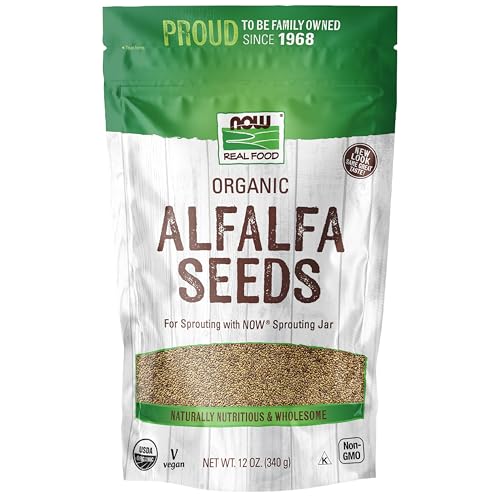
NOW Foods Organic Alfalfa Seeds are prepared for home sprouting and proudly grown in the USA. The packaging emphasizes organic certification and multiple dietary classifications (Non-GMO, vegan, Kosher, gluten-free), making this a versatile choice for diverse kitchens. The seeds are designed to germinate under typical sprouting conditions, offering a reliable option for beginners and experienced sprouters alike. The emphasis on purity and USA sourcing is a key factor for gardeners prioritizing organic standards.
Back to the Roots 100% Organic Alfalfa Seeds

Back to the Roots markets a 100% organic alfalfa seed offering that is non-GMO and pesticide-free. The packaging highlights a quick 5–7 day sprouting window, making it appealing for busy households seeking rapid results. The product is positioned as a value bag intended to support ongoing sprouting, with a focus on nutrient-dense fiber and essential vitamins. Gardeners can plan multiple rounds over weeks, leveraging the organic guarantee for education and healthy snacking.
Todd’s Seeds Alfalfa Sprouting Seeds

Todd’s Seeds emphasizes chemical-free alfalfa sprouting seeds with a focus on fresh, high-germination performance. The product highlights a sweet, nut-like flavor profile of sprouts, appealing for taste-conscious home cooks. It markets vitamins A, B, C, E, and K content as part of its value proposition, along with the benefit of hand-packaged freshness in the United States. This option is suitable for growers who want consistent seed quality and reliable sprout production for weekly meals.
Outsidepride Perennial Alfalfa Seeds for Planting
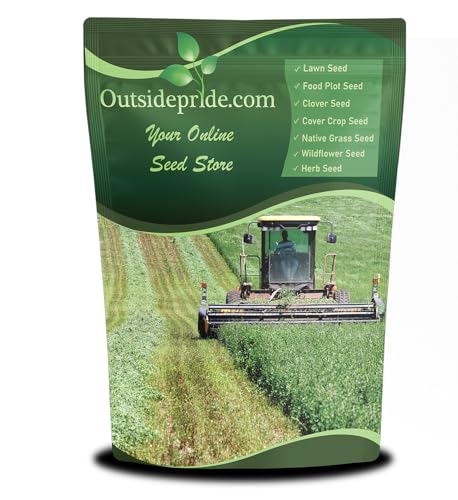
Outsidepride’s perennial alfalfa seeds are designed for outdoor plantings and forage production. This nitro-coated, inoculated seed offers a robust root system and winter hardiness, supporting multiple harvests and durable pastures. The product is positioned for gardeners and livestock producers who seek a dependable, high-yield forage option with long-term resilience. The emphasis on dense coverage and sustained productivity makes it suitable for both lawn-like forage and larger grazing setups.
Buying Guide: Key Purchase Considerations
When selecting alfalfa seeds for planting, consider seed origin, organic status, and intended use. Home gardeners sprouting for salads should prioritize non-GMO, organic options with clear germination instructions and easy care routines. For forage or pasture needs, look for varieties advertised as high yield, durable in outdoor conditions, and inoculated to improve soil and plant health. Packaging size matters for ongoing use; larger bags offer value for frequent sprouters or livestock producers, while smaller packages suit beginners.
Important factors to compare include germination rate, seed purity, and storage requirements. Organic and USA-grown seeds often align with stricter certification standards, which can appeal to health- and sustainability-conscious consumers. Germination timelines vary by variety and storage, so reading product instructions helps set expectations for sprout timelines or forage harvest windows. Inoculation and soil adaptability are essential for perennial alfalfa grown outdoors, supporting multi-season growth and resilience in diverse climates.
Additional considerations include flavor and texture of sprouts, especially for culinary use. Some brands emphasize nutrient density, providing vitamins and minerals in each harvest, while others highlight quickness of sprouts or ease of growing. For gardeners with limited space, choosing seeds that germinate reliably in small indoor setups or on windowsills can be a practical priority. Finally, verify return policies and customer reviews to gauge real-world outcomes beyond product descriptions.