If you’re growing fresh sprouts at home, choosing high-quality alfalfa seeds is essential for quick germination, strong sprouts, and reliable yields. The following selections focus on non-GMO, organic options, and seeds sourced for optimal germination in home sprouting setups. This guide highlights five top choices, supported by practical notes on growing conditions, storage, and expected results for beginner and experienced sprouters alike.
Summary of chosen products
| Product | Brand | Seed Type | Approx Pack Size | Germination Notes |
|---|---|---|---|---|
| Nature Jims Sprouts Alfalfa Seeds | Nature Jims Sprouts | Non-GMO Alfalfa Seeds | 16 oz | Non-GMO, easy sprouting, nutrient-rich |
| NOW Foods Organic Alfalfa Seeds | NOW Foods | Organic Alfalfa Seeds | 12 oz | Grown in the USA, certified organic, versatile |
| Organic Alfalfa Sprout Seeds (Sereniseed) | Sereniseed | Non-GMO Organic Alfalfa Seeds | 16 oz | Open pollinated, pathogen-tested, nutrient-dense |
| Todd’s Seeds Premium 1/4 Pound | Todd’s Seeds | Alfalfa Sprouting Seeds | 0.25 lb | High germination, vitamin-rich |
| USDA Organic Alfalfa Sprouting Seeds | TradeKing | USDA Organic Alfalfa Seeds | 1 lb | Certified organic, easy to grow |
Nature Jims Sprouts Alfalfa Seeds

Nature Jims Sprouts offers a non-GMO alfalfa seed kit designed for home sprouting. The resealable 16-ounce bag helps preserve freshness for multiple batches. The seeds are described as nutrient-rich and fiber-filled, supporting a quick and reliable sprouting process with straightforward instructions, making it suitable for beginners and seasoned sprouters alike.
Key features: non-GMO, organic feel, easy sprouting process, suitable for home sprouting kits. Consider this option if you want a straightforward, ready-to-use seed supply with clear guidance for first-time sprouters and a long-lasting bag for ongoing projects.
NOW Foods Organic Alfalfa Seeds
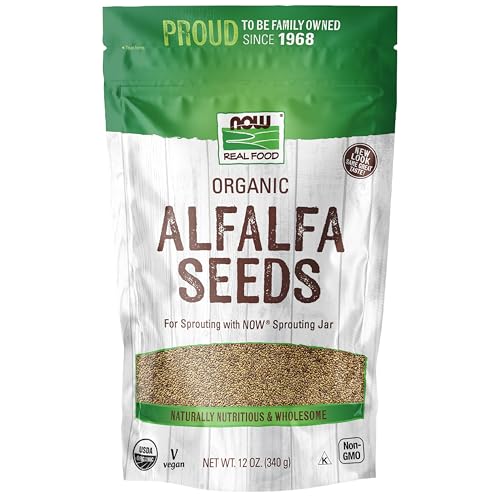
NOW Foods’ Organic Alfalfa Seeds are grown in the USA and certified organic. They are processed specifically for sprouting, with a focus on reliable germination under typical home sprouting conditions. The packaging emphasizes certifications and classifications such as Organic, Non-GMO, Vegan, and Kosher, appealing to households seeking clean, versatile sprouting options with broad dietary compatibility.
Key features: organic, USA-grown, non-GMO, versatile for jars, trays, and microgreens projects. This option is strong for growers who value organic certification and a seed line with a solid reputation for consistent sprouting results.
Organic Alfalfa Sprout Seeds (Sereniseed)

Sereniseed’s Organic Alfalfa Sprout Seeds are non-GMO and heirloom in nature, with organic certification by Oregon Tilth and pathogen testing. These seeds are touted as nutrient-dense, containing folate and other vitamins, with climate-controlled storage to support consistent germination rates. Aimed at those who want a robust, country-safe seed source for sprouts and microgreens alike.
Key features: USA-sourced, certified organic, tested for pathogens, nutrient-rich profiles, stable germination potential with controlled storage conditions.
Todd’s Seeds Premium Alfalfa Sprouting Seeds
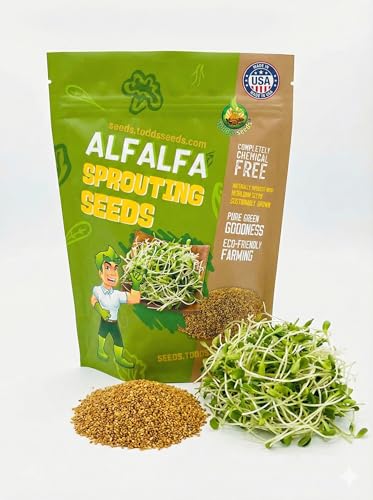
Todd’s Seeds markets 100% chemical-free alfalfa sprouting seeds, packaged in the United States for freshness. The description highlights a sweet, nut-like flavor in sprouts and emphasizes that the seeds are vitamin-rich, containing vitamins A through K, with antioxidants. The seeds are described as fast-growing with high germination, suitable for home growers who want reliable, quick results in smaller batches.
Key features: chemical-free, small-batch friendly, vitamin-rich, fast-growing with high germination, U.S.-packaged for freshness.
USDA Organic Alfalfa Sprouting Seeds
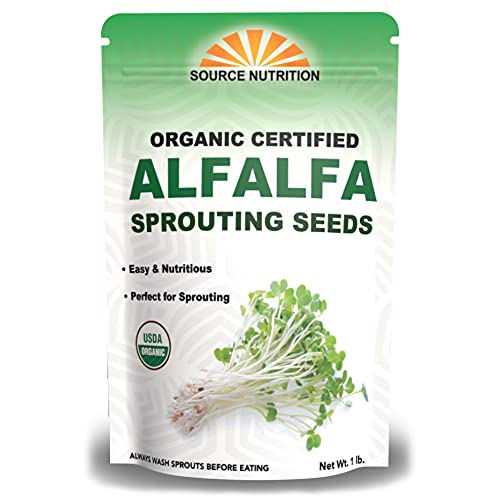
TradeKing’s USDA Organic Alfalfa Sprouting Seeds are certified organic and designed for easy sprouting in jars, trays, or countertop sprouters. The seeds sprout in roughly five days, offering a dependable timeline for fresh alfalfa sprouts. They are described as healthy and delicious, with high fiber content and essential vitamins, making them a versatile staple for home gardeners who want a simple, reliable sprouting routine.
Key features: USDA Organic certification, easy to grow, five-day sprouts timeline, fiber-rich and vitamin-packed profile.
Buying Guide: Key Considerations for Alfalfa Sprout Seeds
- Organic and non-GMO status: If you prioritize chemical-free sprouts, look for seeds labeled Organic and Non-GMO, as in Sereniseed and NOW Foods options.
- Germination rate and freshness: Fresh seeds with high germination rates yield quicker sprouts. Packaging that protects seeds from moisture helps maintain viability.
- Storage and packaging: Resealable bags or airtight containers extend shelf life. Store in a cool, dry place or a refrigerator for longer-term use.
- Seed size and suitability for methods: For jar sprouting, ensure seeds are suitable for home sprouting setups (jars, sprouting trays, or microgreen kits). Some blends are designed for microgreens as well as sprouts, offering versatility.
- Nutritional profile: Alfalfa sprouts are generally rich in vitamins A, C, and K, along with minerals. Seed quality and growth conditions affect final nutrient density.
- Flavor and texture goals: Alfalfa sprouts vary from mild to slightly nutty. For culinary use, consider seeds marketed for quick growth and crisp texture.
- Reliability and source guarantees: Reputable brands with clear certifications and testing (e.g., Oregon Tilth, USDA Organic, Non-GMO Project) provide greater confidence in product safety and quality.
- Versatility for microgreens: Some seed blends (like Nature Jims Sprouts Organic Salad Mix) include alfalfa among other greens, which can be useful if you want a broader harvest beyond sprouts alone.
- Usage volume versus family needs: Consider pack size relative to your sprouting frequency. A 12–16 oz bag suits regular home growers, while one-pound packages support more frequent sprouting or larger microgreens projects.
In evaluating options, align seed characteristics with your sprouting routine, kitchen space, and preferred timeline for harvest. Organic, non-GMO seeds with strong germination support a predictable sprout yield, while sealed packaging or resealable bags help maintain seed viability between batches. For beginners, a brand offering clear instructions and a straightforward germination process can reduce setup friction and improve success rates.