Activated carbon is a cornerstone of pond filtration, helping remove odors, discoloration, and a wide range of dissolved pollutants. The following products are among the most relevant options for pond owners seeking effective filtration, odor control, and clearer water. This article highlights five leading activated carbon media items, summarizing their strengths and practical use cases to help you choose the right media for your pond system.
| Product | Brand | Top Benefit |
|---|---|---|
| Wave Point 10 lbs Premium Virgin Activated Carbon Pellets | Wave Point | High efficiency and low phosphate output |
| Wave Point 5 lbs Premium Virgin Activated Carbon Pellets | Wave Point | Compact pellets with low ash and odor removal |
| CNZ Media Filter Bags Activated Carbon | CNZ | Fast acting with long-lasting performance |
| Aquascape Activated Pond Carbon | Aquascape | Eco-friendly bamboo carbon with odor and discoloration removal |
| CrystalClear Polish AC Activated Carbon | CrystalClear | Polishes water by removing tannins and debris |
Wave Point 10 lbs Premium Virgin Activated Carbon Pellets

Wave Point’s activated carbon pellets are designed for versatile filtration in ponds, aquariums, and canister filters. The material is 100% natural walnut shell carbon, which helps avoid adding phosphates to your water. The media is marketed as up to three times more efficient than typical activated carbon, supporting rapid removal of dissolved organics, odors, and medications that may enter the system. The packaging indicates a total of 10 pounds in two bags, which suits medium to large pond setups. A key benefit is acid-free processing, which helps preserve alkalinity and pH stability while cleaning the water. This media is suitable for koi ponds, reef-style filters, and general filtration in outdoor water features.
Users should consider bagging and media bag compatibility when designing a filtration stage. The pellets are relatively small, enabling good surface contact with water as it passes through the filter media. For best results, replace or refresh the carbon on a schedule aligned with pond load, seasonal changes, and maintenance routines. Because it is walnut shell-based, it tends to have a favorable balance of porosity and adsorption capacity, helping remove color and odors while not overly impacting the water chemistry. Routine rinsing before initial use is often recommended to remove fine dust and to prevent short-term tinting of water during priming.
Wave Point 5 lbs Premium Virgin Activated Carbon Pellets

This compact option provides convenient, flexible use for smaller ponds or as an additional stage in larger setups. The carbon pellets have a length around 0.3–0.5 inch and a diameter near 0.1 inch, enabling efficient packing in media bags and canister filters. The manufacturer notes low ash content, which helps limit phosphate output, making it suitable for freshwater, saltwater, reef, and pond environments. It is effective at removing odors, discoloration, and dissolved organic wastes from water, contributing to improved clarity and overall water quality. Its bagged presentation makes it easy to implement in existing filtration systems without major reconfiguration.
When integrating this product, ensure compatibility with your filter media bags and the filter’s flow rate. Regular monitoring of water parameters will indicate when media replacement or regeneration is necessary. The compact pellet design can rapidly adsorb contaminants when placed in high-flow zones, but paddle-wheel or surface agitation within ponds should be managed to prevent channeling and ensure even contact with the carbon surface.
CNZ Media Filter Bags Activated Carbon Charcoal
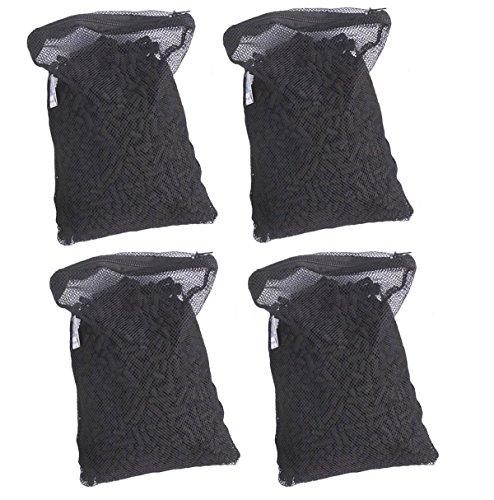
CNZ Activated Carbon in filter bags is positioned as a fast-acting, long-lasting media option. The product focuses on removing odor, color, and organic pollutants, along with the ability to adsorb toxic compounds and medications that may be present in pond or aquarium water. The filter bag format allows straightforward installation in canisters and some larger pond filtration setups. The carbon media can be used in various environments, including freshwater ponds and outdoor water features, with frequent monitoring of performance based on input material loads and seasonal changes.
As with any carbon media, performance depends on contact time and water flow. Operators should consider bag size, bag density, and the number of bags in the filter to maximize treatment. Regular replacement or rejuvenation is necessary to maintain adsorption efficiency, especially in ponds with heavy organic loading or koi populations that contribute more waste materials to the water.
Aquascape Activated Pond Carbon
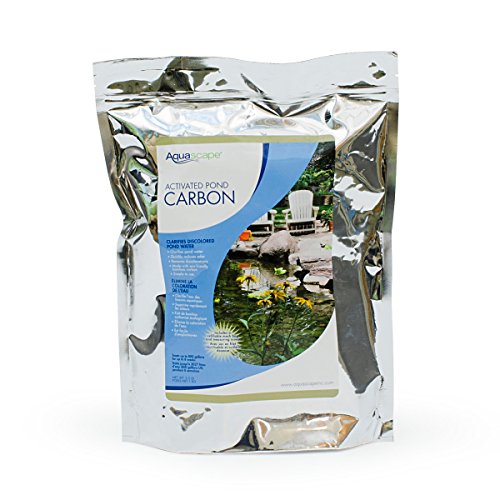
Aquascape’s activated pond carbon is crafted from eco-friendly bamboo carbon, combining environmental sustainability with practical filtration benefits. This media targets discoloration and odors, helping to maintain a visually appealing pond. It also removes chlorine and chloramines, which is relevant for ponds connected to municipal water supplies or undergoing water changes. This option is suitable for both decorative ponds and larger water features, where a natural, low-impact carbon source aligns with the overall pond ecosystem goals.
When deploying bamboo-based carbon, consider the rate at which organic compounds enter the pond and the presence of aquatic plants that can influence water chemistry. Bamboo carbon may exhibit different adsorption characteristics compared with coal-based media, particularly in terms of pore structure and residue. Regular testing for odor, color, and general clarity will reveal when media replacement is appropriate to maintain filtration efficiency.
CrystalClear Polish AC Activated Carbon

CrystalClear Polish AC focuses on removing tannins, chlorine, and foul odors, delivering a polished, crystal-clear pond environment. This 5-pound bag is marketed as a filtration media with an emphasis on broad pollutant adsorption—from tannins that cause yellowing to microscopic debris that affects water clarity. The product describes a porous structure typical of activated carbon designed to trap a wide range of dissolved substances, supporting both fresh and saltwater applications, including ponds with ornamental plants and fish.
Adopters should observe the impact of this carbon on water color and odor, and adjust the quantity used according to pond volume and filtration rate. For best results, combine with compatible filter media bags and routine maintenance practices to maintain a high level of water quality. The inclusion of high-porosity carbon helps improve contact with contaminants, but oversight of bag integrity and flow is essential to prevent bypass and ensure consistent treatment throughout the filtration loop.
Buying Guide: Key Considerations For Selecting Pond Activated Carbon
Choosing the right activated carbon for a pond involves balancing adsorption capacity, media form, and system design. Consider the following factors to optimize pond water quality across seasons and weather conditions.
- Material Type: Walnut shell, bamboo, and coal-based carbons each offer distinct pore structures and adsorption characteristics. Walnut shell carbon often provides a favorable mix of surface area and density, while bamboo carbon emphasizes eco-friendliness and different pore relations. Select based on water chemistry and odor/pigment removal needs.
- Particle Size And Form: Pellets, granules, and media bags affect contact time and flow. Pellets tend to pack densely, while granules and pellets in media bags improve flow distribution. Consider your filter type and space constraints when choosing form.
- Ash Content and Phosphates: Lower ash content reduces potential phosphate introduction, helping to minimize algae growth in some pond systems. Look for media explicitly designed to minimize ash output.
- Flow Rate Compatibility: Ensure the carbon’s adsorption capacity aligns with your pump and filter flow. High flow can reduce contact time, while too-low flow may reduce filtration efficiency. Balance flow with bed depth and filter size.
- Regeneration and Replacement: Activated carbon adsorbs contaminants over time and must be replaced or regenerated. Follow manufacturer guidance on replacement intervals based on filtration load, pond stock, and water quality goals.
- Environmental Considerations: For outdoor ponds, consider media that resists degradation under UV exposure and temperature fluctuations. Eco-friendly materials may align with an overall sustainable pond setup.
- Compatibility With Other Media: Combine carbon with mechanical filter media and biofiltration to achieve a holistic filtration strategy. Ensure bags or canisters accommodate multi-media configurations without restricting flow.
- Maintenance Schedule: Establish a routine for rinsing new media, monitoring water clarity, and testing for odors and discoloration. Regular checks help determine when media is nearing the end of its useful life.
In summary, selecting activated carbon for ponds requires evaluating the carbon source, form, and system design. The articles above showcase a range of options—from pellet-based to bagged media—catering to different pond sizes, filtration setups, and maintenance routines. By aligning product characteristics with your pond’s specific water quality goals, you can achieve clearer water, reduced odors, and healthier aquatic life.