Discover durable, easy-to-assemble above-ground garden beds designed for vegetables, herbs, and flowers. This guide highlights five popular models, focusing on growing depth, material quality, drainage, and mobility. Each product is evaluated for long-term performance in American home gardens, with practical considerations for different yard setups and sunlight conditions.
| Product | Size / Depth | Material | Key Benefit |
|---|---|---|---|
| Best Choice Products 6x3x2ft | 6x3x2 ft, 24 in depth | Powder-coated steel | Deep growing depth for broccoli, beans, and deeper-root plants |
| Best Choice Products 8x4x2ft | 8x4x2 ft, 24 in depth | Powder-coated steel | Large capacity for versatile planting and composting benefits |
| Best Choice Products 72x24x30in Raised | 72x24x30 in | All-wood (Chinese fir) | Elevated height minimizes bending; strong wood structure |
| Best Choice Products 48x24x30in Raised | 48x24x30 in | All-wood (Chinese fir) | Compact, long planting bed with durable wood |
| Best Choice Products 48x24x32in Mobile | 48x24x32 in | Wood with wheels | Mobile design with lockable wheels and liner |
Best Choice 6x3x2ft Deep Root Garden Bed
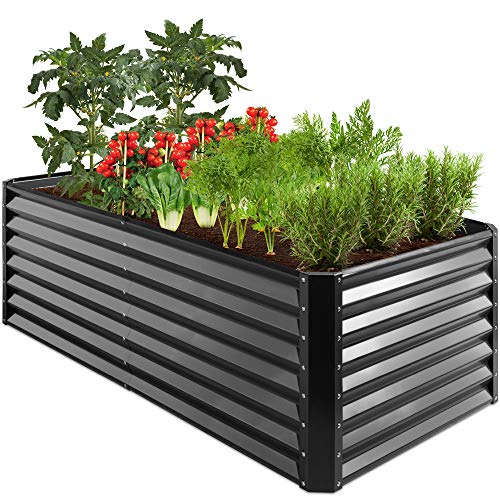
The 6x3x2ft metal raised bed uses powder-coated steel panels designed for weather resistance and durability. With a deep 24-inch growing depth, this bed can accommodate medium to deep-rooting vegetables such as broccoli and beans. The product ships without a bottom panel, enabling natural drainage and easy root access. Tool-free assembly is supported by wingnuts and bolts, with rubber edging for user safety. This configuration favors robust crops and long-term placement in a secured garden corner.
Key considerations include the open bottom design, which supports drainage and soil movement, and the absence of a bottom panel meaning you may want to add a liner or bottom layer if you require weed suppression or soil containment in certain conditions. The bed’s steel construction offers longevity but may require maintenance to prevent rust in harsh climates.
Best Choice 8x4x2ft Deep Root Garden Bed
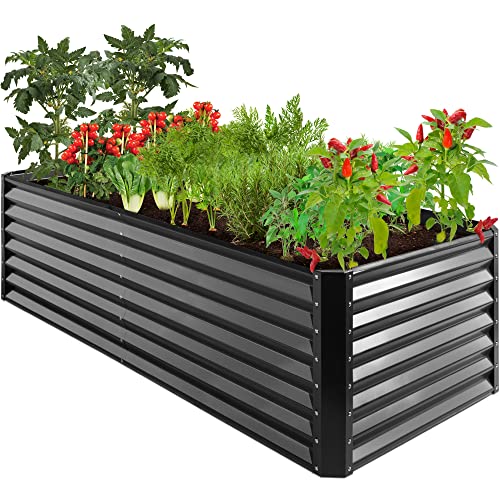
At 8x4x2 feet, this raised bed offers a substantial planting area and 24 inches of soil depth to support medium-to-deep-rooting crops. The open base design helps with composting and soil enrichment by enabling the addition of yard waste and kitchen scraps beneath the garden bed for in-situ soil improvements. Assembly remains tool-free with a simple wingnut and bolt system and rubber edging for safety. It is particularly suitable for homeowners who wish to practice in-ground composting alongside regular vegetable planting.
When using an open-base model, plan for weed control and consider adding a bottom liner if you want to retain soil more effectively or protect delicate roots from bottom-up intrusion. This model balances large planting space with a straightforward setup, making it a versatile choice for growing a wide range of vegetables and herbs.
Best Choice 72x24x30in Elevated Wooden Bed
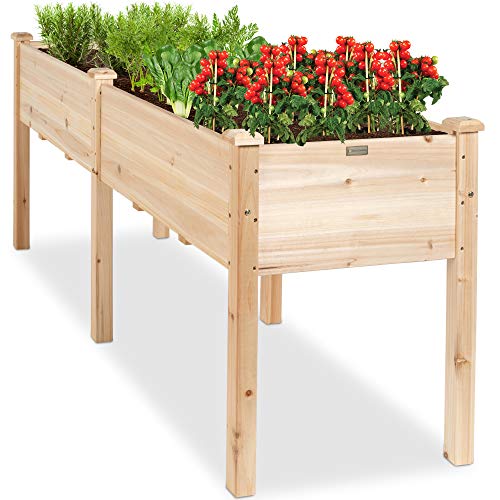
This elevated wooden bed uses Chinese fir for a durable, weather-resistant frame designed to prevent warping and sagging over time. Standing at 30 inches tall, the bed reduces back strain and makes planting, weeding, and harvesting more comfortable. It provides 8.4 cubic feet of planting space with six drainage holes to aerate roots and prevent waterlogging. The natural wood finish fits well with a variety of outdoor decors, and the bed’s height is suitable for gardeners who prefer to work at a standing position.
Consider potential maintenance needs for wood, such as seasonal sealing or staining, to preserve appearance and structural integrity in humid or wet climates. Proper drainage is essential to avoid mineral buildup or root rot, so ensure the drainage holes remain clear after heavy rainfall.
Best Choice 48x24x30in Elevated Wood Bed
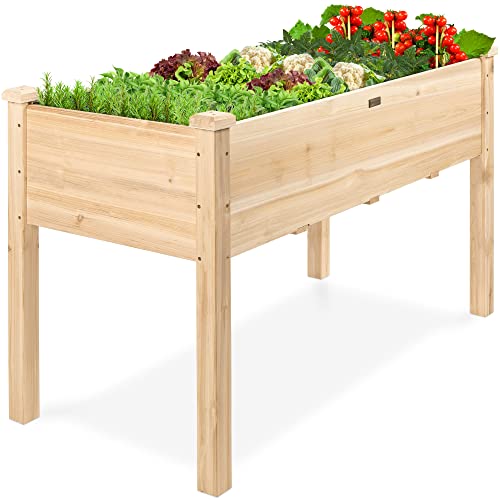
This 48x24x30-inch raised bed provides a compact yet ample planting area with a 200-pound capacity. The all-wood construction uses Chinese fir for durability and weather resistance, delivering a traditional look that complements many backyard aesthetics. The design supports good plant spacing and drainage to prevent waterlogging and mineral buildup. A bed liner is included to separate soil from the wood, extending bed life and helping to manage weed growth.
Wood beds require routine maintenance and occasional treatment to maximize longevity, especially in rainy regions. The liner helps preserve wood integrity and simplifies weed management, making this a practical option for versatile vegetable and herb cultivation in smaller spaces.
Best Choice 48x24x32in Mobile Wooden Bed
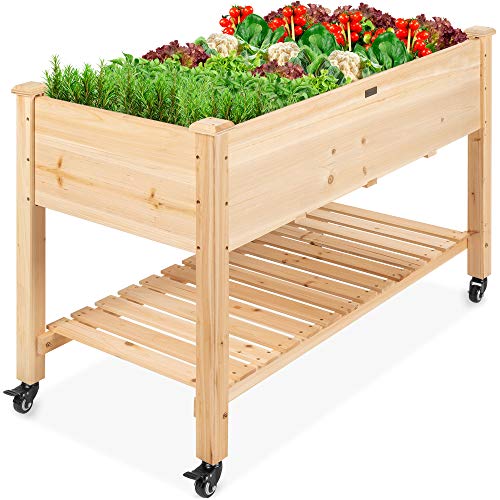
This elevated wooden planter stands 32 inches tall and includes lockable wheels for easy repositioning to chase sun or shade. The bed’s ergonomic height minimizes bending, improving comfort during planting and maintenance. A bed liner prevents soil from contacting timber, preserving the wood and keeping weeds at bay. The mobility feature is beneficial for seasonal sun changes, pest management, or reorganizing a garden bed layout across a patio or yard.
Mobility adds convenience but may require periodic wheel maintenance and locking checks. Plan for proper drainage and ensure wheels are secured when you want to fix a bed in place to avoid accidental movement in windy conditions.
Buying Guide: Key Considerations For Above-Ground Vegetable Beds
Choosing the right above-ground bed involves balancing depth, material, durability, and ease of use. Consider the following perspectives to tailor your selection to your garden’s needs:
- Growing depth: Deeper beds (around 24 inches) support larger root crops and deeper-root vegetables, while shallower beds are suitable for greens and herbs. Consider crop rotation and soil volume when deciding on depth.
- Material and durability: Metal beds offer strength and longevity but may require rust-prevention care in wet climates. Wood beds look classic and are easier to work with but demand maintenance to prevent warping or rot.
- Drainage and airflow: Beds with open bases promote drainage and soil enrichment, but may require liners for weed control. Proper drainage helps prevent root rot and mineral buildup.
- Elevation and ergonomics: Elevated beds reduce bending, supporting gardeners with back or knee concerns. Height and access should suit your height and preferred working stance.
- Mobility and placement: Mobile beds are useful for optimizing sun exposure and protecting plants from pests or harsh weather. Ensure wheels lock securely when stationary.
- Bottom panels and liners: Some beds omit bottom panels to facilitate drainage or composting. If weed suppression or soil containment is a priority, consider adding a liner or selecting a model with a bottom.
- Assembly and maintenance: Tool-free assembly speeds setup, while stainless or coated hardware minimizes corrosion. Regular inspection of joints and edges helps maintain structural integrity over seasons.
For best results, match bed size to your garden footprint, desired crop variety, and local climate. Pair beds with high-quality soil blends, compost, and mulch to support nutrient-rich, well-drained growing environments. Consider starting with a mid-sized bed to learn your sun patterns and irrigation needs before expanding to multiple raised beds.