Hydrangeas add lush color to gardens, but leaf spot and other fungal diseases can disrupt their vibrant blooms. This guide highlights top fungicides that help protect hydrangea leaves, promote healthier foliage, and reduce disease spread. Each product below is commonly used by home gardeners in the United States and is suitable for ornamental hydrangeas, with options spanning sulfur-based formulations to broad-spectrum fungicides. Read through the features to compare how each option fits your care routine and local growing conditions.
| Product | Brand | Key Benefit |
|---|---|---|
| Bonide Sulfur Plant Fungicide | Bonide | Controls rust, leaf spot, powdery mildew; versatile and ready-to-use |
| Earth’s Ally Disease Control | Earth’s Ally | Natural, citric acid-based fungicide for powdery mildew and leaf spot |
| Safer Brand Garden SG5450 | Safer | OMRI-listed, sulfur-based and organic gardening friendly |
| Liquid Harvest Broad Spectrum Disease Control | Liquid Harvest | 14.3% Propiconazole for systemic disease control |
| Nature’sIQ Copper Fungicide | Nature’s IQ | Targets powdery mildew, black spot, rust with copper-based formula |
Bonide Sulfur Plant Fungicide — Ready-to-Use

Bonide’s Sulfur Plant Fungicide provides a micronized spray or dust option to control common diseases in ornamental plants, including rust, leaf spot, and powdery mildew. The product is advertised for use on fruits, vegetables, and ornamentals, offering a broad application that can fit many garden routines. Its sulfur-based formula is widely recognized for broad-spectrum disease suppression, making it a practical choice for hydrangea care. Always follow label directions for safe use and plant compatibility, especially during hot or dry periods.
Earth’s Ally Disease Control Concentrate

Earth’s Ally Disease Control is a natural fungicide concentrate designed to treat and prevent common plant diseases, including powdery mildew, blight, black spot, and leaf spot. Its citric-acid base positions it as a safer option for households with pets and children when used as directed. The spray aims to support overall plant health while reducing the chance of disease outbreaks on hydrangea foliage. Consider its organic-friendly stance if you prefer minimal synthetic residues in your garden.
Safer Brand Garden SG5450 Fungicide Ready-to-Use Spray

Safer Brand Garden SG5450 is a ready-to-use spray that targets powdery mildew, black spot, leaf spot, and rust. It’s OMRI Listed for organic gardening, suggesting compatibility with organic hydrangea care. The product emphasizes gentle use on plants while preserving efficacy, making it a practical option for gardeners who want to protect blooms without heavy chemical exposure. As with all sulfur-based products, avoid applying during peak heat for best results and follow label timings before harvest or flower production changes.
Liquid Harvest Broad Spectrum Disease Control

Liquid Harvest Broad Spectrum Disease Control features 14.3% propiconazole, offering systemic disease control for turf, ornamentals, and other landscape plants. This fungicide can be effective against leaf spot, rust, powdery mildew, and related fungal threats on hydrangeas, particularly in lawns or surrounding beds where plant health is tied to overall landscape vigor. Read the label for precise dosing and application windows to minimize phytotoxicity. This option is suited for gardeners seeking a broader, systemic protection approach.
Nature’s IQ Copper Fungicide

Nature’s IQ Copper Fungicide focuses on copper-based disease control, addressing powdery mildew, black spot, and rust on a range of plants, including hydrangeas. Copper fungicides can be effective in preventing foliar diseases, but may require thorough coverage and reapplication after rain. Copper formulations are well-suited for gardeners who want a multi-disease approach with quick protective action, though consult label guidance for plant compatibility, flowering schedules, and any restrictions on use with edible crops nearby.
Bonide 142 Sulfur Plant Fungicide

Bonide’s 142 Sulfur Plant Fungicide is a larger, multi-pack option designed to provide extended protection against rust, leaf spot, powdery mildew, and other fungal threats. This product extends the same sulfur-based protection across a broader coverage area and multiple plants, making it suitable for larger hydrangea beds or gardeners managing several shrubs. As with sulfur products, plan applications when temperatures are moderate and avoid leaf burn by following label directions for concentration and timing.
Leaves and Soul Hydrangea Professional Liquid Fertilizer
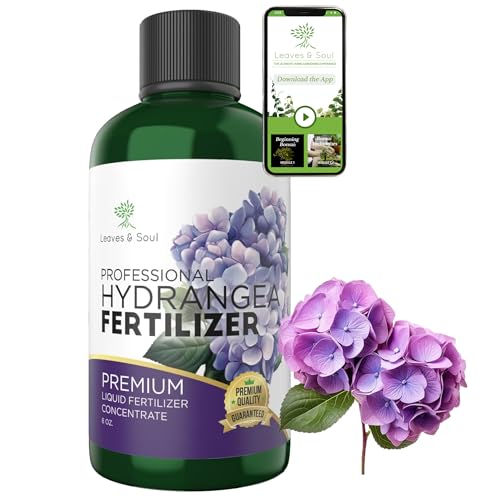
Leaves and Soul Hydrangea Professional Liquid Fertilizer enhances growth and blooming with a specialized 3-5-4 nutrient blend designed for hydrangeas. While not a fungicide, proper nutrition supports plant resilience against diseases by promoting strong leaf tissue and robust root systems. Using this fertilizer in combination with a suitable fungicide program can help maintain vibrant, disease-resilient hydrangeas. Follow product directions for dilution and application frequency to avoid nutrient burn and ensure even coverage.
Buying Guide
Key purchase considerations
- Target diseases: Hydrangea leaf spot is often caused by fungal pathogens like septoria or powdery mildew. Select products proven effective against these ailments, such as sulfur-based fungicides or broad-spectrum formulations.
- Product form and ease of use: Ready-to-use sprays are convenient for quick applications, while concentrates require dilution. Consider your workspace, sprayer capacity, and how often you’ll treat plants.
- Organic vs. conventional: OMRI-listed or natural formulations are preferred for organic gardening. If you grow in organic beds or near edible crops, this matters for safety labeling and compliance with local guidelines.
- Impact on plants: Some fungicides, particularly sulfur-based products, can cause leaf burn if applied during heat or direct sun. Apply during mild conditions and follow label timing to protect blooms and foliage.
- Coverage and frequency: Systemic fungicides offer longer protection but may require extended intervals. Non-systemic options may need more frequent applications during wet seasons when leaf spots reappear.
- Environmental considerations: Copper-based fungicides accumulate in soil and may affect soil microbiota with repeated use. Rotate modes of action to reduce resistance and environmental impact.
Comparative considerations
- Sulfur-based products (Bonide, Safer Brand): Generally affordable and effective for a range of fungal diseases; best used when temperatures are moderate and plants have ample airflow to minimize leaf burn.
- Natural/organic options (Earth’s Ally, OMRI-listed Safer Brand): Favor safer residues and consumer-friendly formulations, suitable for edible-adjacent gardens or households seeking lower chemical exposure.
- Broad-spectrum fungicides (Liquid Harvest): Useful for treating multiple diseases with systemic action, but ensure compatibility with hydrangea varieties and nearby ornamentals to avoid phytotoxicity.
- Copper-based care (Nature’s IQ): Effective against multiple diseases but may require careful coverage and considerations for soil copper levels; avoid over-application near plants sensitive to copper.
How to apply effectively
- Read and follow all label directions for dilution, timing, and irrigation compatibility.
- Apply when air temperatures are moderate, and avoid midday sun to minimize leaf burn.
- Water hydrangeas before application if the label requires it, then allow foliage to dry before the product dries.
- Inspect plants after application and reapply as directed by label constraints, especially in wet seasons when fungal pressure increases.
Choosing the right fungicide for hydrangea leaf spot depends on your gardening goals, whether you favor organic options, and how you manage other plants in the landscape. This guide presents a spectrum of products that are commonly used by American gardeners to help maintain healthy hydrangeas with minimal disease pressure through practical, label-approved methods.