Drift roses blend compact habit with vibrant color, but they need balanced feeding to sustain prolific blooms and healthy foliage. This guide compares top fertilizers that suit Drift roses in American gardens, highlighting ease of use, nutrient balance, and disease protection. Whether you prefer organic formulas or quick-acting plant foods, these options cover a range of garden conditions and maintenance styles.
| Product | Brand | Type | Coverage Notes |
|---|---|---|---|
| Scotts Rose & Bloom Continuous Release Plant Food | Scotts | Granular, time-release | Feeds up to 2 months |
| BioAdvanced All-In-One Rose and Flower Care | BioAdvanced | Granules with insect & disease control | Season-long protection |
| Miracle-Gro Water Soluble Rose Plant Food | Miracle-Gro | Water-soluble, quick-acting | Instant feeding |
| Espoma Organic Rose-Tone | Espoma | Organic granular | Soil-friendly for organic gardens |
| Jobe’s Organics Granular Rose Fertilizer | Jobe’s Organics | Granular, OMRI-listed | Organic and slow-release |
Scotts Rose & Bloom Continuous Release Plant Food

Scotts Rose & Bloom is a reliable choice for gardeners seeking steady, long-lasting nourishment. The product is designed to feed roses and a wide range of flowering plants for up to two months, supporting robust growth and repeat blooming. Its 3-pound bag format suits mid-sized Drift rose patches and containers, reducing the frequency of applications while helping maintain even nutrient availability. The formulation focuses on promoting abundant blooms and vibrant color without encouraging excessive leaf growth. For Drift roses planted in beds or decorative pots, this is a straightforward, low-effort solution that aligns with typical American garden routines.
Key considerations include placement and feed timing. Apply at the start of the growing season or after pruning, and water thoroughly to help nutrients reach the root zone. While it provides balanced feeding, users should monitor for signs of over-fertilization, such as leaf burn or overly lush foliage with fewer flowers. This product excels in scenarios where convenience and steady bloom cycles are priorities, especially in regions with moderate growing seasons.
BioAdvanced All-In-One Rose and Flower Care Fertilizer
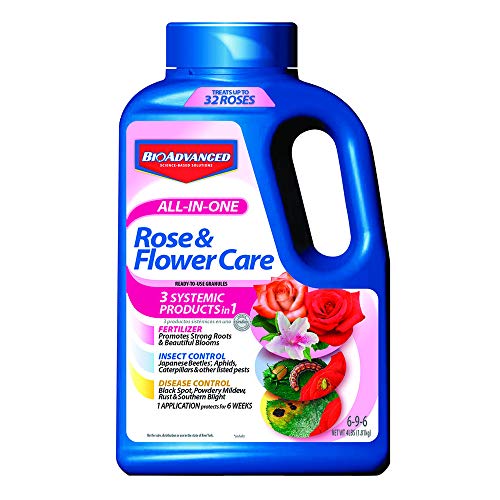
This all-in-one granular formula combines plant nutrition with insect and disease protection. It aims to strengthen roots and boost blooms in roses, hibiscus, irises, and other flowering plants, while delivering a protective shield against common pests like aphids and whiteflies. The product’s dual-action design reduces the need for separate pest control applications, which can be appealing for busy gardeners who maintain Drift roses in landscapes or borders. Its disease-control component helps mitigate issues such as black spot and powdery mildew, supporting a healthier overall appearance across the season.
Considerations for use include applying according to label directions to avoid residue buildup. The integrated pest and disease components may be beneficial in humid climates where fungal problems are more common. Gardeners who prioritize a single-step approach—feeding plus protection—will find this option advantageous, particularly in mixed borders where multiple plant types share soil and moisture conditions.
Miracle-Gro Water Soluble Rose Plant Food

Miracle-Gro’s water-soluble rose food delivers fast-acting nutrition designed to boost growth and flowering quickly. This formulation is ideal for gardeners who want to observe results within a shorter timeframe, making it suitable for Drift roses that require a quick boost after a pruning cycle or an early-season lag. The product is easy to mix in water and apply with a watering can or sprayer, allowing uniform distribution across beds, containers, and hanging baskets. Routine use—every 7 to 14 days as directed—supports sustained bloom production during active growth periods.
Pros of this option include rapid results and flexibility for different plantings. Potential drawbacks include the need for more frequent applications and careful dilution to prevent leaf tip burn. It suits gardeners who value immediacy and the ability to tailor feeding frequency to current weather and soil conditions. In sandy or nutrient-poor soils, this product can deliver a noticeable uptick in flower quantity and color intensity.
Espoma Organic Rose-Tone
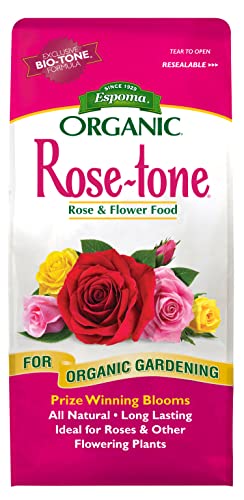
Espoma Rose-Tone is an organic fertilizer tailored for all roses and many flowering plants. The 4-3-2 NPK ratio is complemented by natural ingredients and the Bio-tone beneficial soil microbe formula. This product is well-suited for gardeners aiming to maintain soil health while encouraging vigorous green growth and abundant blooms. The organic composition makes it a strong choice for eco-conscious landscapes and those who prefer no synthetic additives. Monthly application through the growing season is typically recommended, with soil watering after spreading to help release nutrients slowly into the root zone.
Key considerations include soil type and irrigation, since organic feeds rely on microbial activity and soil moisture. In heavy clay soils, a lighter, more frequent application can prevent nutrient runoff, while sandy soils may benefit from slightly larger applications. Rose-Tone supports a steady, year-round flowering cycle, aligning with Drift roses’ preference for consistent nourishment and soil-friendly inputs.
Great Big Roses Rose Fertilizer Booster

Great Big Roses offers a booster that combines soil improvement with a concentrate designed to maximize uptake of rose fertilizers. This product emphasizes soil structure and microbial-friendly chemistry, delivering a diverse mix that includes humic acids and trace minerals. The unique formula targets the root zone, helping plants convert more applied fertilizer into usable nutrients for bloom production. It is particularly appealing for gardeners seeking to improve soil health alongside feeding routines, which can lead to longer-term gains in vigor and drought resilience in drift roses.
Usage guidance focuses on mixing the concentrate with water to create a potent soil-soil amendment. Because it relies on a compost-extract base, results may depend on existing soil conditions and microbial activity. This option is suited for gardeners who want to optimize fertilizer efficiency and soil vitality, especially in older beds where soil quality may limit nutrient access for roses.
Buying Guide: Key Purchase Considerations And Comparisons
- Organic vs. synthetic: Organic feeds (such as Espoma Rose-Tone and Jobe’s Organics) improve soil health over time but may act more slowly. Synthetic or water-soluble formulas (like Miracle-Gro and Scotts) deliver quicker results but may require more frequent applications.
- Flower focus: Look for products labeled for roses or flowering plants to ensure nutrient ratios favor blooms without excessive foliage growth.
- Coverage and release type: Time-release granules reduce application frequency, while water-soluble options enable immediate feeding. Consider your irrigation practices and container vs. bed setup when choosing.
- Integrated protection: Some fertilizers include insect and disease control, which can lower additional treatments in humid climates. Evaluate if pest management is a priority for your Drift roses.
- Soil compatibility: Organic formulas are generally gentler on soil biology, whereas synthetic blends can be preferable for sandy soils needing quick nutrient availability. Match the product to your soil type and plant health goals.
- Ease of use: For beginners, granules with simple annual or bi-monthly schedules may reduce mistakes. For advanced gardeners, versatile options that allow precise dilution and timing can be advantageous.
- Environmental considerations: Choose products with environmentally friendly labels and OMRI listings when maintaining organic gardens or edible nearby plantings.
In practice, Drift roses benefit from a balanced approach: steady nutrient supply during the growing season, protection against common pests and diseases, and attention to soil health. Gardeners should start with a soil test if possible to calibrate feeding, then select a product that aligns with their maintenance routine and climate. Rotating between a slow-release formula and an occasional quick-acting feed can help maintain bloom frequency and plant vigor across a typical American garden season.