Choosing the right fungicide for soybeans involves balancing effectiveness, compatibility with organic practices, and safety for harvest. This guide highlights five reliable products widely used by American growers to prevent and control common soybean diseases such as powdery mildew, leaf spots, and blights. Each option includes organic-approved choices, brief performance notes, and practical application tips to help you compare and decide.
| Product | Brand | Key Use |
|---|---|---|
| Captain Jack’s Copper Fungicide, Ready-to-Use | Bonide | Organic-friendly copper-based protection; use up to harvest |
| Organocide 3-in-1 RTU Garden Spray | Organic Laboratories | Insecticide and fungicide for organic production |
| Captain Jack Copper Fungicide Concentrate | Bonide | Concentrate copper fungicide for organic gardening |
| Garden Safe Fungicide3 | Garden Safe | 3-in-1 fungicide, insecticide, and miticide; broad use |
| Neudorff Plant Fungicide Spray (Copper-based) | Neudorff | Copper-based fungicide for various crops |
Bonide Captain Jack’s Ready-to-Use Copper Fungicide

Bonide Captain Jack’s Copper Fungicide is a ready-to-use liquid copper formulation designed for organic gardening. It provides protection against a broad range of plant diseases, including blight and powdery mildew, and is approved for organic production. The product can be applied up to harvest, making it convenient for ongoing soybean protection during the growing season. Copper fungicides like Captain Jack’s work by preventing fungal growth on leaf surfaces, helping reduce disease spread when used as part of a regular spray routine.
Organocide 3-in-1 RTU Garden Spray
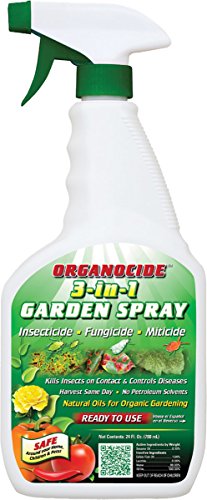
Organocide 3-in-1 RTU Garden Spray is an OMRI-listed product derived from soybean extract, sesame oil, and fish oils. It serves as an organic insecticide and fungicide, providing protection against a variety of insects and certain fungal diseases. This makes it a versatile choice for Integrated Pest Management programs in soybean crops seeking organic compatibility and reduced chemical inputs. While effective against multiple pests, users should follow label directions for best results on fungal issues and ensure compatibility with other treatments in a rotation plan.
Bonide Captain Jack Copper Fungicide Concentrate

This concentrated copper fungicide from Captain Jack’s line offers robust protection against a wide range of plant diseases and is suitable for organic gardening. As a concentrate, it provides a cost-effective option for larger soybean fields when integrated into a spray program. It is important to follow mixing and application instructions precisely to maintain organic eligibility and to prevent copper buildup on plant tissue and in the environment.
Garden Safe Fungicide3

Garden Safe Fungicide3 is a 3-in-1 product that combines fungicidal, insecticidal, and miticidal properties. It is designed for organic gardening and covers diseases such as black spot, rust, and powdery mildew, which can affect soybeans under appropriate conditions. For soybeans, using Garden Safe in rotation with other products can help reduce disease pressure while maintaining compliance with organic standards. Always verify compatibility with existing treatments before mixing and applying.
Neudorff Plant Fungicide Spray (Copper-based)

Neudorff Copper Fungicide Spray provides listed protection against common plant diseases including powdery mildew, rust, black spot, and other leaf spots. Built for organic gardening, this copper-based spray suits both field and home garden soybean scenarios. The product is suitable for use on a range of crops, including vegetables and fruit, and can be applied during different growth stages as part of a broader disease management plan. Adhere to label directions to preserve efficacy and harvest safety.
Buying Guide: Key Considerations For Soybean Fungicide Selection
When evaluating fungicides for soybeans, consider disease pressure, crop growth stage, and your broader pest management goals. The following perspectives help you compare products beyond ingredient type:
- Organic compatibility: If you’re pursuing organic production, confirm OMRI or relevant certification, and ensure the product remains compliant through harvest. Some copper-based formulas are widely accepted in organic programs, while others may have usage limits.
- Mode of action and rotation: Use products with different modes of action to reduce the risk of fungicide resistance. Rotate between copper-based fungicides, plant oils, and multi-purpose products where label allowances permit.
- Target diseases: Identify which diseases are most prevalent in your region and season. Powdery mildew, leaf spots, rusts, and blights each respond differently to fungicidal chemistry; choose products with proven efficacy against your local threats.
- Application timing: Apply fungicides preventatively or at the first signs of disease. Read label timing windows to optimize protection during susceptible growth stages, particularly during flowering and pod formation.
- Environmental and safety considerations: Copper-based products can accumulate in soil with repeated use. Consider integrating biological or oil-based options to minimize environmental impact and support pollinator health where applicable.
- Tank-mix compatibility: If you plan to tank-mix with insecticides or other crop protection products, verify compatibility. Some products may require separate applications to avoid phytotoxicity or reduced efficacy.
- Harvest interval and residue: For products approved for organic farming, ensure the spray schedule does not conflict with harvest timing. Adhere strictly to label guidance to maintain crop safety and market access.
Choosing the right fungicide for soybeans involves balancing disease management with crop safety and organic considerations. Use these product profiles as a starting point to tailor a soybean protection plan that aligns with your farming goals, acreage, and local disease pressures.