Direct answer: For beekeepers seeking a reliable entrance feeder, five top options stand out for ease of use, durability, and monitoring ability. These feeders are best for hobbyists needing simple quick-refill solutions, professional keepers requiring larger-capacity jars, or beekeepers who want clear visibility of syrup levels. The following selections emphasize clear jar visibility, sturdy construction, and practical installation. Use the summary table to compare capacity and key benefits at a glance.
| Product | Capacity | Best For |
|---|---|---|
| Foxhound Bee Co Entrance Feeder (2 Pack) | Half-gallon | Beekeepers needing large jars and easy refilling |
| RONYOUNG 4 Pack | Small feeders | Budget packs and multiple hives |
| PUERDEAN 2 Pack | Jar-compatible with 2.75″ cap | Easy install without extra jars |
| KOHAND 12 Pack | Plastic jar feeders | High-volume feeding with durable build |
| Foxhound Front Entrance 4 Pack | Standard plastic feeders | Multiple hives with front-entry feeding |
Foxhound Bee Co: Honey Bee Entrance Feeder 2 Pack

The Foxhound Bee Co entrance feeder combines a clear, large half-gallon jar with a redesigned feeder that lets bees drink from the lid holes. The integration with the feeder is designed to minimize refilling trips and simplify cleaning, making it a practical choice for beekeepers managing multiple hives. Best for: beekeepers who want a transparent jar to monitor syrup levels and prefer a high-capacity option to reduce maintenance.
Why selected: The half-gallon jar increases feeding intervals and reduces refill frequency. The design supports easy observation of syrup levels, aiding hive management. Caution: Plastic components should be cleaned regularly to prevent residue buildup that could affect feeding efficiency.
RONYOUNG 4 Pack Bee Feeder Entrance Feeder

This 4-pack provides small, easy-to-handle entrance feeders designed for quick installation and minimal disturbance. The compact size helps monitor feed levels without intruding on the hive, and the white plastic construction is simple to clean. Best for: beekeepers needing multiple feeders for several hives or those who want an affordable option for routine feeding.
Why selected: The pack quantity supports larger operations, and the design permits visual feed checks from outside the hive. Limitation: The smaller size means more frequent refills than larger jar feeders.
PUERDEAN 2 Pack Bee Entry Feeders
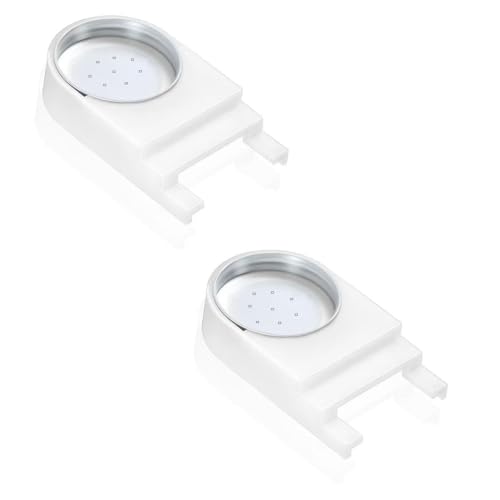
PUERDEAN offers two feeders designed to fit 2.75-inch cap jars or compatible Mason jars, with a lightweight, durable base and an easy installation method. The aluminum cap provides corrosion resistance and a straightforward refill process. Best for: beekeepers who want a reliable, jar-compatible feeder without needing to source additional jars.
Why selected: Easy-to-use with clear packaging and simple maintenance. Caution: Ensure jars are compatible with the cap and cap threading to prevent leaks during feeding.
KOHAND 12 Pack Bee Feeders

The KOHAND 12-pack features plastic entrance feeders with perforated lids designed for use with Mason or plastic jars. Their design emphasizes preventing waste by restricting access to the hive interior while allowing bees to drink sugar syrup or water. Best for: beekeepers who want a durable, cost-effective option for feeding many hives with jar feeders.
Why selected: The large pack reduces per-unit cost and supports scalable feeding. Caution: Check jar size compatibility to ensure a proper seal and prevent dripping at the entrance.
Foxhound Front Entrance Honey Bee Feeder (4 Pack)

This 4-pack from Foxhound Bee Company focuses on front-entrance feeders that fit most Langstroth bottom boards and similar hives. The design aims to save time by enabling multiple feeders per hive and reusing jars with provided lids. Best for: beekeepers operating multiple hives who prefer a classic, widely compatible feeder.
Why selected: Classic design with multi-pack convenience. Caution: Fit with existing hive boards to ensure proper alignment and avoid leaks at the entrance.
ZOENHOU 8 Pack Bee Feeder

ZOENHOU offers an 8-pack of front-entry feeders designed to fit standard jars with an extended tray for easier refilling. The design supports minimal hive disturbance while allowing bees continuous access. Best for: beekeepers needing a high-quantity option for many hives or seasonal feeding.
Why selected: High pack count and compatibility with common jars. Caution: Ensure jar dimensions match the feeder cap for a secure fit at the entrance.
Buying Guide: How To Choose The Right Bee Entrance Feeder
What capacity should you choose? Larger jars mean fewer refills but may be heavier and harder to handle. Smaller feeders are easier to manage for hobbyists with a single hive. Consider your hive size, frequency of feeding, and whether you will monitor syrup levels visually from outside the hive.
Which materials matter? Plastic feeders are lightweight and durable, with easy cleaning. Aluminum caps offer corrosion resistance, especially in humid environments. Choose a design that minimizes dripping to prevent nectar loss and hive wetting.
What installation method fits your hives? Some feeders install at the entrance, others work inside the hive as top feeders. Ensure compatibility with your Langstroth boards or other hive configurations. Consider whether you want jars that you can reuse with your existing jars and lids.
Is jar visibility important? Clear jars allow you to monitor syrup levels at a glance, reducing unknown feed gaps. If you prioritize visibility, select a feeder with a transparent jar or minimal opaque components.
How many hives will you feed? For larger apiaries, packs that include multiple feeders per purchase can simplify management and reduce per-hive costs. Smaller operations may prioritize individually adjustable units per hive.
FAQ
- What is an entrance feeder used for?
It provides bees with sugar syrup or water at the hive entrance, aiding colony health during nectar shortages or colonization phases.
- Can these feeders be used with standard glass mason jars?
Many models are designed for mason jars or compatible jars; check the cap size and compatibility before pairing with jars.
- How often should I refill an entrance feeder?
Refill frequency depends on colony size, weather, and nectar availability. Larger jars reduce refill frequency but require careful handling during installation.
- Are plastic feeders durable in outdoor conditions?
Yes, quality plastic feeders are designed to withstand outdoor exposure, though occasional cleaning is recommended to prevent buildup.
- Is it better to use one feeder per hive or multiple feeders?
Multiple feeders per hive can speed feeding for very large colonies or during heavy feeding periods, while one feeder can suffice for smaller operations.