Answering the question for buyers seeking a reliable cordless weed eater powered by lithium ion batteries. This guide highlights five top options, with clear reasons who each tool is best for, and practical trade-offs. Whether you want compact lightweight use, season-long runtime, or versatility with attachments, there’s a lithium-ion cordless weed eater here for most American yards.
Overview: The following table summarizes the five selected models, focusing on battery system, trimming width, and notable strengths for different buyer needs.
| Product | Best For | Main Benefit |
|---|---|---|
| Makita XRU23Z 18V LXT | Small to medium yards, low maintenance | Brushless motor for up to 6,000 RPM and extended runtime |
| BLACK+DECKER LCC222 | All-around yard tasks with edger and blower | 2 batteries and versatile 3-in-1 tool |
| Houselife 3-in-1 Cordless | Budget-conscious users expanding a 20V system | 3-in-1 design for trimmer, edger, mini mower |
| RYOBI One+ 18V | Powerful 18V system with broad accessory ecosystem | Broad compatibility in the One+ line |
| BLACK+DECKER LSTE525/LST201 family | Two-in-one trimming and edging with automatic feeds | Two variations with easy line feeding |
Makita XRU23Z 18V Cordless Trimmer

The Makita XRU23Z is designed for users who want a high-efficiency, low-maintenance cordless trimmer. It uses a BL brushless motor delivering up to 6,000 RPM, which helps with tougher edging and tall grass. The kit version relies on an 18V LXT battery, offering up to about an hour of runtime with a 4.0Ah battery, depending on cutting conditions. This model is best for homeowners who want a compact, quiet solution with strong power but without gas or complex maintenance.
Best for: small to medium yards where quiet operation and low maintenance matter most. Choose this if you already own Makita tools or prefer a reputable brushless motor with predictable performance.
Caution: Battery sold separately means you’ll need to purchase the correct 18V LXT battery to achieve the claimed runtime.
BLACK+DECKER LCC222 20V Max String Trimmer
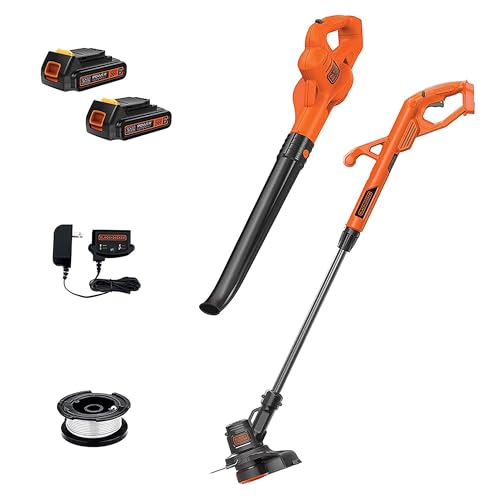
This versatile kit combines trimming, edging, and blowing in a single lightweight package, making it ideal for homeowners with medium to larger yards who want to cover more ground efficiently. Automatic line feed helps minimize interruptions, and the bundled batteries extend run time when tackling bigger lawns. It’s especially convenient for users who will benefit from the 3-in-1 approach in a single purchase.
Best for: homeowners seeking an all-purpose yard tool with two batteries for extended use, plus an easy-to-use automatic feed system.
Caution: The kit uses two batteries; ensure you have a storage and charging plan for both to avoid downtime.
Houselife 3-in-1 Cordless Weed Eater

The Houselife 3-in-1 model is marketed as a compatible option for DEWALT 20V MAX batteries, appealing to buyers who already own a 20V system and want to expand with a bare tool. It offers three modes: trimmer, inline wheeled edger, and a mini mower. The design targets users who need a compact tool for tight spaces and edging, such as along fences or flower beds.
Best for: landscapers or DIY homeowners expanding an existing 20V system, who want a flexible tool for narrow spaces and precise edging.
Caution: The battery and charger are not included, which could increase initial setup time and cost for new users.
RYOBI One+ 18V Cordless Trimmer

The Ryobi One+ 18V system is well-known for its broad compatibility with numerous tools in the One+ ecosystem. This trimmer focuses on delivering solid trimming power in a compact form, with the advantage of using a single battery family across multiple tools. It’s a practical pick for users who want to consolidate tools under one battery platform for convenience and potential cost savings over time.
Best for: users who already own or plan to own multiple Ryobi One+ tools and want a straightforward, compatible trimming experience.
Caution: Availability and specific configurations vary by model; verify battery compatibility with your existing setup before purchase.
RYOBI 40V Attachment-Capable String Trimmer
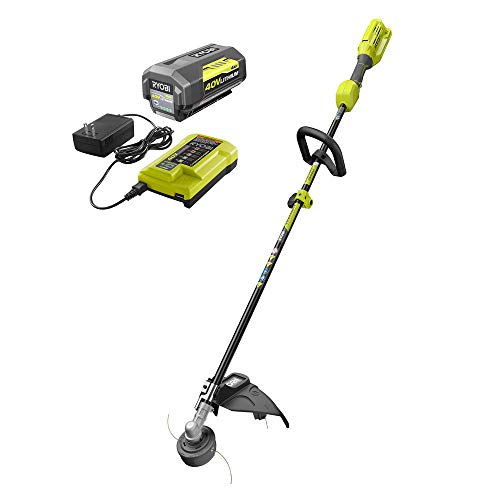
This attachment-capable trimmer is designed for longer run times and wider cutting widths when paired with RYOBI’s 40V high-capacity battery. The kit includes a 4.0 Ah battery and charger, and offers adjustable cutting width to balance runtime with performance. This option suits yards with mixed grass and weedy edges that benefit from a dependable, scalable system.
Best for: homeowners who want a scalable system with longer runtime and the option to add compatible attachments for expanded yard tasks.
Caution: The 40V system can be heavier than lighter 18V options, potentially affecting ease of use for small-framed users or extended sessions.
BLACK+DECKER 20V Max LST/LSTE Line

The BLACK+DECKER LST/E model family focuses on two-in-one functionality for trimming and edging, with automatic line feed to minimize bumping. These tools are designed for easy edge work along sidewalks and garden borders. The included battery setup in some kits helps you maximize runtime and reduce downtime between tasks.
Best for: homeowners who want effortless 2-in-1 operation with automatic line feeds and simple edge conversion for neat borders.
Caution: Some configurations may have a lighter cutting width; consider whether you need a wider reach for larger properties.
Buying Guide: Cordless Weed Eater Lithium Ion
- Battery compatibility and system: If you already own a specific battery platform, choosing a model in that family can reduce overall cost and ensure easier tool sharing.
- Power and RPM: Brushless motors typically deliver higher efficiency and longer life. Higher RPM helps with tough weeds but may reduce runtime if the battery is small.
- Weight and ergonomics: Lighter tools reduce user fatigue for longer yard sessions. Check handle design and balance, especially for extended edging tasks.
- Cutting width and line feeding: Wider widths cover more ground per pass but can demand more power. Automatic line feed reduces interruptions for many users.
- Versatility and attachments: If you want edger, mower, blower, or other tools, consider an attachment-capable or multi-tool system to consolidate purchases.
- Runtime and charging: Battery capacity (mAh or Ah) directly affects runtime. Plan for multiple batteries for larger yards to avoid downtime.
- Maintenance and noise: Lithium ion systems require minimal maintenance, and brushless motors reduce noise and wear compared to gas models.
- Budget and setup: Bare tools save money but require batteries; complete kits add convenience but higher upfront cost. Consider total ownership cost over time.
Frequently Asked Questions
- What is the best cordless weed eater for a small yard? A compact model with a brushless motor and a lighter weight, such as an 18V system, is typically ideal for smaller yards and easier maneuverability.
- Do I need two batteries or is one enough? For moderate yard tasks, one reliable battery may be enough, but larger lawns benefit from a second battery to minimize downtime.
- Are 40V tools significantly better than 18V? 40V systems offer longer runtime and higher cutting capacity for dense growth, but are heavier and more expensive. Choose based on yard size and user strength.
- Can I use any brand’s battery with these trimmers? Battery compatibility is essential. Most tools are designed for a brand’s own battery platform or a compatible ecosystem; confirm before mixing brands.
- Is a corded option better for large lawns? For very large properties, corded models avoid battery limits but require proximity to power outlets and extension cords, which can complicate use.
- What maintenance is required for lithium ion trimmers? Typically none beyond regular battery care and occasional cleaning. Brushless motors reduce the need for frequent maintenance.