Answering the common question “which wood preservative should I use for fences?” this guide highlights five top options across color, protection, and ease of use. Best for yard fences, deck rails, and garden structures, these products address rot, pests, and moisture. Choose based on exposure, color preference, and whether you want a stain or a transparent preservative. The following selections are suitable for exterior untreated or pressure-treated wood, with some offering ground contact protection or above-ground performance.
| Product | Best For | Key Benefit |
|---|---|---|
| Wolman 1904A Woodlife CopperCoat Green | Ground contact or above-ground installations | Insecticidal protection plus rot decay resistance with transparent green tint |
| Rust-Oleum Woodlife 902 Wolman Classic Clear | Easy, above-ground projects | Durable, straightforward application, clear finish |
| Tenino Copper Naphthenate 17% | Code-compliant end-cuts and treated lumber | High-strength copper-based preservative, low VOC |
| Ready Seal Exterior Wood Stain | Fences, decks, siding needing color and sealant | No laps, runs, or streaks; UV protection and quick rain resistance |
| Valhalla Wood Preservatives 1-Gallon | Eco-friendly, long-term protection | Non-toxic, natural penetration, lifetime treatment |
Wolman 1904A WOODLIFE CopperCoat Green Wood Preservative, Quart
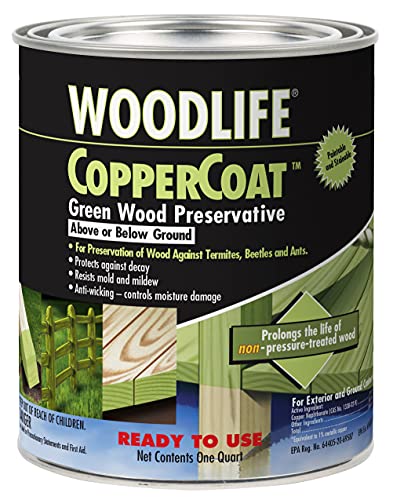
Best for: exterior wood exposed to moisture and insects, below ground or ground contact. Why selected: EPA-registered, insecticidal preservative protects against termites and other wood-boring insects while guarding against rot and decay. The transparent green color allows the natural grain to show. Caution: the green tint is noticeable and may alter finish slightly on some boards.
Rust-Oleum WOODLIFE 902 Wolman Classic Clear Wood Preservative

Best for: simple, above-ground fencing projects where a clear finish is preferred. Why selected: easy-to-use, highly durable, domestically produced by a reputable brand. Caution: data notes limited color options, which may not suit all aesthetic goals.
Tenino Copper Naphthenate 17% Double Strength

Best for: projects requiring high-concentration copper-based protection and code compliance on end-cuts. Why selected: meets AWPA M4 standard, lower VOC, 100% domestically sourced from recycled copper. Caution: This concentrate is strong; handle with care and follow safety guidelines.
Ready Seal Exterior Wood Stain

Best for: outdoor decks, fences, and wood siding needing a color finish with stain and sealant in one. Why selected: no laps, runs, or streaks; durable moisture resistance and UV protection. Caution: heavier color options may require multiple coats for full coverage; applicable to direct sun and weather variability.
Valhalla Wood Preservatives 1-Gallon

Best for: eco-conscious projects seeking non-toxic, long-lasting treatment. Why selected: lifetime wood treatment, natural penetration, and suitability for marinas, houses, and decks. Caution: as an eco-friendly option, it may require longer cure times or specific preparation for best results depending on wood type.
Buying Guide
What to consider before buying a wood preservative for fences:
- Exposure and contact: Ground contact demands stronger insecticidal or preservative action; above-ground is often satisfied with standard formulations.
- Color preference: Transparent vs. colored finishes affect aesthetics and wood grain visibility.
- Type of protection: Insect repellence, rot prevention, moisture resistance, and UV protection vary by product.
- VOC content and safety: Low-VOC options are available; check local regulations for outdoor use.
- Application ease: Some products are brush-on, others spray-friendly or ready-to-use concentrates; consider DIY experience.
- Compatibility: Ensure compatibility with existing wood treatments and whether repainting or sealing is required.
- Environmental impact: Eco-friendly options prioritize non-toxicity and sustainable sourcing.
Frequently Asked Questions
- What’s the difference between a preservative and a stain? A preservative protects against rot and pests, while a stain adds color and may include a sealant for moisture resistance.
- Can I use a clear preservative on a fence? Yes, if you prefer preserving wood without color while protecting against insects and decay.
- Is ground-contact protection necessary for fences? If your fence touches soil or is near soil, ground-contact rated products are advisable.
- How should I apply these products for best longevity? Follow product-specific directions, apply in dry conditions, and allow proper curing before exposure to rain or moisture.
- Are there eco-friendly options available? Yes, several options emphasize non-toxic formulations and sustainable sourcing.
- Do these products require maintenance? Most finishes require reapplication every few years, depending on climate and wear.