Looking for a red apple tree that fits your climate and space while delivering tasty fruit in a reasonable time? This guide highlights five red apple varieties that are suitable for American gardens, with notes on best climates, growth habits, and purpose. Whether you want a decorative tree that yields fresh apples for snacking or a small orchard contributor for pies and preserves, these selections cover common needs. The buyer’s guide below helps you compare hardiness, maintenance, and fruit quality, so you can choose the right tree for your yard.
| Product | Best For | Hardiness | Notes |
|---|---|---|---|
| Red Delicious Apple Tree (1 gal) | Small space yards, beginners | Zones 4-8 (typical) | Classic red fruit, sweet and crisp |
| American Plant Exchange Red Delicious (1 gal) | Decorative and edible home gardens | Zones 4-8 | Beautiful pink blossoms, easy to grow |
| Perfect Plants Red Delicious Apple Tree (1 gal) | Home gardeners, fresh eating | Zones 4-8 | Cold hardy, drought tolerant |
| American Plant Exchange Apple Tree ‘Enterprise’ | Cold-hardy, disease-resistant orchards | Zones 4-7 | Firm, tart red harvest |
| Fuji Apple Tree | Flavor-forward eating, crunch | Zones 5-9 | Sweet with slight tart undertone |
Red Delicious Apple Tree, 1 gal Pot

The Red Delicious Apple Tree in a 1-gallon nursery pot is a classic choice for compact spaces. It is described as fast-growing and deciduous, with the familiar deep red fruit. This option emphasizes a standard, recognizable apple flavor profile—sweet, mildly crisp flesh that suits fresh eating and simple desserts. The listing notes that shipping to certain states is restricted by agricultural laws, which is important for buyers outside those regions. This tree is best for homeowners who want a compact, recognizable variety and are in compliant planting zones.
Best for: beginners and homeowners who want an instantly recognizable variety with a traditional red fruit. Choose this if you prefer a straightforward grow with familiar eating quality and a compact 2-3 ft tall plant height when potted.
Caution: It cannot be shipped to CA, AZ, AK, or HI due to agricultural laws, so plan to pick up locally or order from compliant regions.
American Plant Exchange Red Delicious Apple Tree, 1 Gal

This Red Delicious Apple Tree from American Plant Exchange extends ornamental appeal with pink spring blossoms and seasonal green foliage. It’s described as a fruit-bearing plant suitable for harvest, fitting well in home gardens and decorative landscapes. The plant is noted for easy maintenance and adaptability to a range of climates, making it approachable for both new gardeners and enthusiasts. It is ideally suited for zones 4-8, supporting home orchards or backyard fruit production.
Best for: gardeners seeking a visually appealing tree that also yields edible fruit and is forgiving in a variety of climates. This is a solid pick if you want a standout ornamental element plus harvest potential.
Limitation: As with many nursery stock items, growth rate and fruiting timelines depend on local climate, soil, and care practices. Begin with proper pruning and spacing to encourage fruiting vigor.
Perfect Plants Red Delicious Apple Tree 1 Gallon
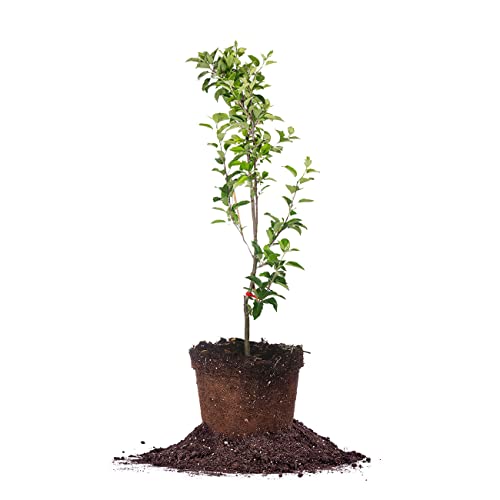
The Perfect Plants Red Delicious Apple Tree is marketed as a 1-gallon live fruit tree with a fast growth rate and fruiting in year 2-3. It emphasizes suitability for zones 4-8 and targets home gardeners seeking reliable, easy-to-grow fruit trees. The description notes its strong performance for fresh eating and canning, aligning with consumers who want both immediate fruit and long-term productivity. It is described as cold hardy and drought tolerant, supporting resilience in various climates.
Best for: homeowners who want a reliable, fast-producing Red Delicious tree with straightforward care and potential for early fruiting. Choose this if you want a balance of hardiness and fruit-ready harvest within a few seasons.
Caution: Product availability and establishment depend on regional climate and soil quality; ensure adequate sunlight and well-draining soil for best results.
American Plant Exchange Apple Tree ‘Enterprise’

The Apple Tree ‘Enterprise’ from American Plant Exchange is described as a live fruit-bearing plant suited to home orchards and edible landscapes. It highlights cold-hardiness and disease resistance, traits desirable for reducing maintenance in home gardens and novice orchards. The tree is positioned for zones 4-7 and emphasizes a tart, crisp red harvest suitable for fresh eating, baking, or preserving. Gardeners seeking resilience against common apple diseases may prefer this option.
Best for: gardeners wanting a disease-resistant, cold-hardy variety that can produce a tart red harvest. This is a strong choice for small orchards or edible landscaping where low-maintenance fruit production is valued.
Limitation: While disease resistance is highlighted, local soil health and sun exposure will still influence overall vigor and fruit yield.
Fuji Apple Tree
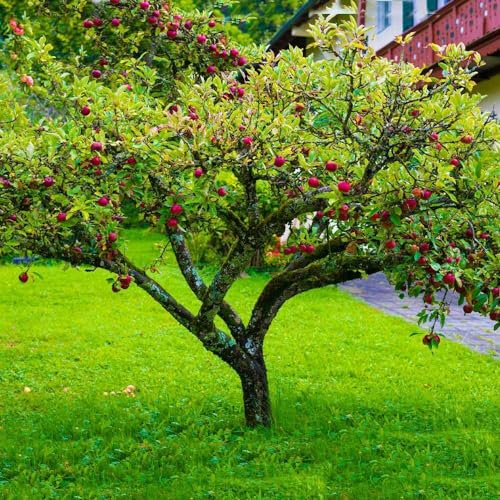
The Fuji Apple Tree offers a different flavor profile, focusing on sweet, crunch-rich fruit with a slightly tart undertone. This bareroot listing targets gardeners who want a distinct flavor and a crisp texture. Fuji apples are widely loved for their versatility in fresh eating, baking, and sauces. The listing emphasizes the bite and juiciness of the fruit, which can appeal to those who prioritize eating quality over decorative value alone.
Best for: fruit lovers seeking a bold, dessert-ready apple with strong crunch and sweetness. Choose this if you want a standout flavor and a tree suited for cooler or transitional climates within the typical Fuji growing range.
Caution: Availability and bareroot timing may affect when you can plant and establish; ensure proper handling and planting soon after delivery to support root health.
Buying Guide: Red Apple Tree Selections
Hardiness and climate compatibility are essential when selecting a red apple tree. Review zone suitability, sun exposure, and soil drainage before purchase. Consider whether you want a tree primarily for fresh eating, baking, or decorative value, and account for space limitations in your yard.
- Fruit quality vs. ornamental value: Some varieties emphasize visually striking red fruit and spring blossoms, while others focus on flavor and storage life. Balance aesthetics with harvest goals.
- Maintenance and disease resistance: Trees marketed as disease-resistant can reduce routine care, but local disease pressures and soil health still matter. Ensure you have a maintenance plan that includes pruning and irrigation management.
- Planting site and spacing: Check mature size, sun requirements, and drainage. Even compact 1-gallon stock needs enough space for root growth and air circulation to prevent disease.
- Storage and usage: If you plan to bake or can, pick varieties that store well or are known to perform well in processing. Fresh-eating varieties may offer different eating experiences than culinary types.
- Legal shipping considerations: Some listings restrict shipping to certain states. Confirm region eligibility to avoid order cancellations and plan alternate sourcing if needed.
Frequently Asked Questions
- What zone should I plant a Red Delicious tree in?
- Are red apple trees good for beginners?
- Should I choose a disease-resistant variety?
- What is the best use for Fuji apples?
- Can I grow multiple apple varieties in one yard?
Most Red Delicious-related varieties perform in USDA zones 4-8, but confirm your local microclimate and soil conditions before planting.
Yes, many 1-gallon stock Red Delicious trees are suitable for beginners due to compact size and straightforward care. Start with proper sun, drainage, and pruning.
Disease resistance can reduce maintenance, especially in humid or high-disease regions. Pair resistant stock with good spacing and pruning practices for best results.
Fuji apples are favored for fresh eating due to their sweetness and crunch, as well as baking and sauce applications because of their juiciness and texture.
Yes, but ensure they have compatible pollination and suitable spacing. Planting compatible varieties can improve cross-pollination and fruit set.