Answering the needs of gardeners seeking soil pH control and plant-specific care, this guide highlights the best sulfur powders for garden use. These products help acidify soil for blueberries, hydrangeas, and other acid-loving plants, while remaining versatile for direct soil application or foliar sprays. The top picks below are chosen for reliability, ease of use, and how clearly they communicate their purpose to home gardeners and professionals alike. The buyer’s table summarizes key details to compare at a glance.
| Product | Best For | Form | Notes |
|---|---|---|---|
| GardenWise Elemental Sulfur For Soil (8 oz) | Acid-loving plants like blueberries and hydrangeas | 90% purity, fine powder | Direct soil and foliar use |
| GardenWise Elemental Sulfur For Soil (12 oz) | Gardeners needing higher quantity | 90% purity, fine powder | Direct soil and foliar use |
| GardenWise Elemental Sulfur For Soil (1/2 Quart) | Medium to large gardens | 90% purity, fine powder | Direct soil and foliar use |
| Yellow Sulphur Powder (100 Gram) | Small-scale applications, hobbyists | Pure yellow sulphur powder | Compact packaging, versatile) |
| Go Garden Zinc Sulphate (250 G) | Micronutrient support alongside sulfur needs | Zn 33%, S 15% | Soil, spray, and drip compatible |
Note: The table provides a quick comparison. For full details, read each product section below.
GardenWise Elemental Sulfur For Soil — 8 Oz
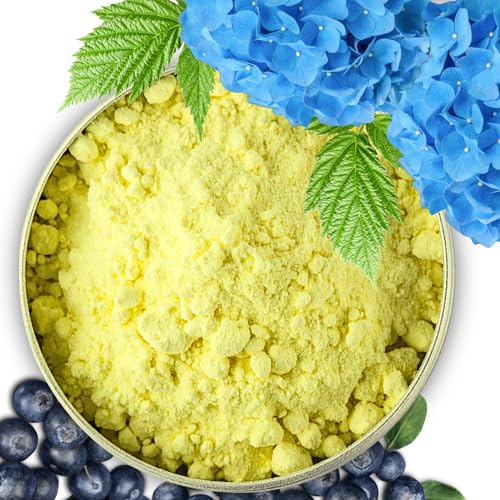
90% pure, fine powder sulfur provides reliable soil acidification. This product is designed to lower soil pH quickly, making it a strong choice for acid-loving plants such as blueberries and hydrangeas. The powder format aids thorough mixing in beds and containers alike. It is suitable for both direct soil incorporation and foliar application when dissolved in water. Best for gardeners who want quick, consistent results and a straightforward application process. Be mindful to apply gradually and measure soil pH before and after treatment.
Who it’s best for: Home gardeners with blueberries, hydrangeas, azaleas, or rhododendrons seeking a reliable soil pH adjustment. Why selected: 90% purity and a fine grind ensure quick action and easy mixing in various environments.
Caution: Do not over-apply in a single treatment; repeated additions may be needed to reach target pH. Always follow label directions and test soil pH regularly.
GardenWise Elemental Sulfur For Soil — 12 Oz
With the same 90% purity and fine powder texture, this larger quantity is well suited for medium-sized garden beds or containers. It continues to serve acid-loving plants by lowering soil pH efficiently. The powder form supports uniform distribution during soil incorporation or when preparing a foliar spray by dissolving in water. The key benefit is greater coverage per purchase, reducing the number of applications required for ongoing soil management.
Who it’s best for: Gardeners managing multiple acid-loving beds or large pots. Why selected: Higher volume at a good value, maintaining the same purity and application flexibility.
Caution: Even with larger quantities, use gradual applications and monitor soil pH to avoid overshooting target acidity.
GardenWise Elemental Sulfur For Soil — 1/2 Quart
This 1/2 quart option offers a mid-size solution, balancing convenience and coverage for several beds or larger containers. It preserves the 90% purity and the dual-use approach of direct soil work or dissolving for foliar treatment. It’s particularly suitable for seasonal adjustments to soil acidity around bloom-heavy periods or when new plantings require pH modification.
Who it’s best for: Gardeners who want a flexible, mid-volume sulfur option. Why selected: Combines compact packaging with consistent performance across soil and spray uses.
Caution: Follow timing guidelines for acidification to align with plant growth stages and avoid stressing roots during rapid growth periods.
Yellow Sulphur Powder — 100 Gram

This compact option provides a small-scale alternative for hobbyists or gardeners testing soil amendments. It’s labeled as 100% organic yellow sulphur powder, offering a straightforward path to acidification in pots or small garden patches. The product is suitable for beginners seeking an affordable entry point, but limited quantity means it’s less practical for larger garden spaces.
Who it’s best for: New gardeners or those experimenting with soil acidification in limited spaces. Why selected: Easy handling and a cost-effective entry point for testing soil responses.
Caution: Smaller quantities require careful planning; inconsistent distribution can yield uneven soil pH changes.
Go Garden Zinc Sulphate — 250 G

Zinc sulfate adds essential micronutrients, supporting new cell formation, root development, and overall plant vigor. While not a pure sulfur powder, it complements sulfur applications by delivering zinc and sulfur nutrients in a single product. This makes it suitable for gardeners seeking a broader nutrient boost beyond pH adjustment. It can be applied to soil, sprayed, or used in drip systems as part of a comprehensive nutrition plan.
Who it’s best for: Gardeners needing a micronutrient boost alongside sulfur care, especially for robust flowering and growth. Why selected: Practical combination of zinc and sulfur in one product for diversified nutrition.
Caution: Zinc supplementation should follow soil test recommendations; over-application can lead to nutrient imbalances and uptake issues.
Buying Guide: Key Considerations For Sulfur Powder In The Garden
What form should I choose: powder or granules?
Powder sulfur mixes quickly and evenly, especially for foliar sprays when dissolved in water. Granulated forms may be easier to measure by volume in some contexts but can take longer to blend into soil. For precise pH management, a fine powder with good dispersal is typically preferred.
How much should I apply and how often?
Soil pH targets vary by plant. Start with small, gradual applications and test soil pH after each adjustment. Repeat applications may be necessary, but avoid overshooting acidity. Follow product labels and consider seasonal growth stages to time applications for bloom or harvest windows.
Can I use sulfur powders with all soil types?
Sulfur work best in alkaline or neutral soils that respond to acidification. In already acidic soils, additional sulfur may have a limited effect and could require careful monitoring to avoid stressing plants.
Is dual-use (soil and foliar) application recommended?
Yes, many sulfur powders are dual-use, offering soil incorporation and foliar spray options. Foliar use can help address immediate deficiencies or provide quick acidification signals to plants, but soil application tends to produce longer-lasting changes in pH.
Should I combine sulfur with other nutrients?
Combining sulfur with micronutrients or fertilizers can be beneficial, especially when soil tests show deficiencies. Avoid mixing incompatible products in a single application. Use separate, staged applications if needed to maintain balanced nutrition and soil health.
FAQ
- What plants benefit most from garden sulfur powders?
Blueberries, hydrangeas, azaleas, and rhododendrons typically benefit from soil acidification. Sulfur also supports general acid-loving plant health when soil pH is not optimal.
- Can I use sulfur powder in containers and raised beds?
Yes. Fine sulfur powders mix well in container soils and raised beds, provided you apply in small amounts and mix thoroughly to avoid hotspots of acidity.
- Is there a risk of harming plants with too much sulfur?
Excessive sulfur can lower soil pH beyond what plants tolerate, potentially stressing roots. Test soil regularly and apply conservatively.
- What’s the difference between elemental sulfur and sulfur compounds for soil?
Elemental sulfur lowers pH slowly as soil bacteria convert it to sulfuric acid. Sulfur compounds may provide additional nutrients but can behave differently in soil chemistry. Always follow product instructions.
- How often should I retest soil pH after applying sulfur?
Most gardeners retest every 1–3 months during active growing seasons to gauge effectiveness and avoid overshoot. Adjust frequency based on plant response.