Eco friendly rubber pavers are a smart choice for outdoor spaces that need resilience, slip resistance, and simple installation. This guide highlights five top options suited for patios, walkways, and garden paths. The best picks emphasize recycled materials, outdoor durability, and ease of DIY installation. Read on to find which paver suits your project, from drought-tolerant pathways to moisture-wicking patio tiles. The buyers below are ideal for homeowners seeking low-maintenance, weather-resistant surfaces that won’t crack in freeze-thaw cycles.
| Product | Brand | Best For |
|---|---|---|
| Rubberific Dual Sided Square Rubber Paver Tile 16″ X 16″ X 3/4″ | Rubberific | Patios and yards that need a versatile, reversible tile |
| Sekcen 3 Pack Rubber Stepping Stones | Sekcen | Lightweight, aesthetic garden walkways with anti-slip safety |
| Tierra Verde 4 Pack Brick Rubber Paver | Tierra Verde | DIY paths and borders with easy trimming for curves |
| Rubberific Dual Sided Square Rubber Paver Tile 16″ X 16″ X 3/4″ Red | Rubberific | Colorful outdoor accents with durable, reversible design |
| RevTime Hexagon Rubber Pavers | RevTime | Curved or intricate layouts with modular expandability |
Rubberific Dual Sided Square Tile — 16″ X 16″ X 3/4″

Best for: Patios and yards requiring a reversible, durable surface. This tile is made from 100% recycled rubber, designed to resist freezing and cracking. It’s a long-lasting option suitable for high-traffic outdoor areas and can refresh existing decks or patios with a simple installation.
Why chosen: The dual-sided design increases lifespan by allowing rotation to a fresh surface, reducing wear spots. It’s an easy DIY project for homeowners seeking a quick upgrade with eco-friendly materials.
Caution: While durable, large temperature swings can still influence individual tiles; ensure a level base to reduce shifting. Also, maintain even spacing to avoid trip hazards on uneven substrates.
Rubberific Dual Sided Square Tile — 16″ X 16″ X 3/4″ (Red)

Best for: Accent color in outdoor spaces where durability and weather resistance matter. The red tile shares the same 100% recycled rubber construction, offering a bold alternative for driveways, decks, or garden borders.
Why chosen: The red tile provides visual interest while maintaining the same resilience as the brown variant. It’s a better choice for distinguishing walkways or creating color blocks in a yard.
Caution: Color fading can occur with prolonged sun exposure; consider pairing with shaded areas or periodic reselection if aesthetics are a priority.
Tierra Verde 4 Pack Brick Rubber Paver

Best for: DIY paths and borders with clean, uniform edges. These lightweight, durable tiles are designed for easy handling and quick installation, making them suitable for first-time landscape projects.
Why chosen: The 16″ x 16″ format gives substantial coverage with tool-free setup. They trim easily with a standard utility knife for curved layouts, enabling customization around curves and borders.
Caution: Cutting is required for curves; ensure clean edges to avoid dislodgement in heavy foot traffic or wind exposure.
RevTime Hexagon Rubber Pavers — 10-1/2″ (3/4″ thick)
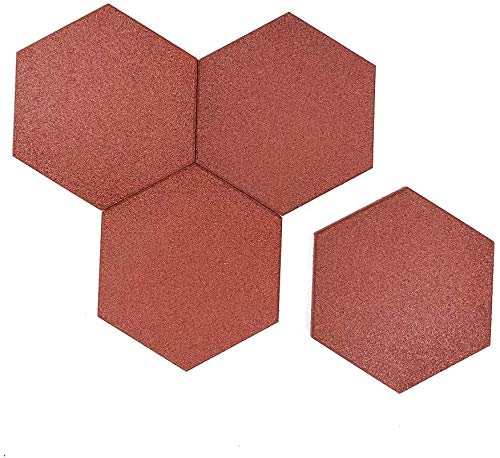
Best for: Garden patios and decks that benefit from a modular, expandable pattern. The hexagon design supports broad surface areas and complex layouts with multiple pieces fitting together for a seamless look.
Why chosen: This option emphasizes stability and elasticity, offering comfortable footing with wear resistance. It suits outdoor spaces where a unique geometric pattern is desired, while remaining easy to assemble in stages.
Caution: Hexagonal layouts can require careful planning to avoid gaps at edges; plan the perimeter before laying interior pieces to ensure a tight fit.
Buying Guide: Key Considerations For Eco Friendly Rubber Pavers
What makes rubber pavers a good outdoor choice? They provide slip resistance, grip in wet conditions, and resilience against freeze-thaw cycles compared to concrete or stone. When selecting the right paver, consider material, thickness, installation method, and maintenance needs.
- Material and sustainability: Look for tiles made from recycled rubber and manufacturer claims about longevity in outdoor use. Recycled content reduces environmental impact and supports circular economies.
- Thickness and durability: Standard thickness around 3/4″ offers strong load tolerance for casual patios and walkways. Thicker options provide better comfort and longer service life in high-traffic areas.
- Installation and base: Many rubber pavers install over a leveled, compacted base or directly on soil with proper leveling. Some tiles are individual pieces; others are interlocking or modular, which affects the setup time and tools required.
- Drainage and weather resistance: Permeable designs and groove patterns help channel water away, reducing puddling and slip risk. Check for anti-slip textures to improve safety in rain or dew.
- Maintenance and color: Rubber pavers generally resist cracking and fading, but sunlight can affect color over time. Affected colors should be chosen with sun exposure in mind, and cleaning routines should avoid harsh chemicals.
- Customization: Look for the ability to trim edges or expand layouts as your space grows. The option to combine shapes (squares, bricks, hexagons) adds design flexibility.
FAQ: Quick Answers For Buyers
- Are rubber pavers really eco-friendly?
Yes, many are made from recycled rubber and designed to outlast traditional concrete, reducing waste and maintenance needs over time.
- Can I install rubber pavers myself?
Most rubber pavers are DIY-friendly. They often require a level base and simple placement, with trimming possible for curved edges.
- Will rubber pavers freeze or crack in winter?
High-quality recycled rubber pavers are designed to resist cracking in cold conditions, making them suitable for climates with freeze-thaw cycles.
- Do rubber pavers require sealing or waterproof coatings?
Typically, sealing isn’t necessary. Regular cleaning is usually enough to maintain appearance and performance.
- How do I choose between tiles and stepping stones?
Tiles offer continuous surface coverage and a clean look; stepping stones provide more spacing and can flex with uneven ground. Your choice depends on footprint and aesthetics.
- Can I use rubber pavers for heavy traffic or driveways?
Some thicker or heavy-duty options are suitable for moderate vehicle use. Verify load ratings and installation guidelines for your space.