Answering your search for durable, easy-to-use concrete patio stone forms, this guide highlights five reliable molds that help you create flagstone and stepping-stone patterns with consistent texture and size. The top picks are ideal for DIY enthusiasts, homeowners renovating backyards, and garden designers who want long-lasting, reusable forms. The following table summarizes the five products chosen for clear comparison across size, texture variety, and reuse potential.
| Product | Texture/Size | Made Of | Best For | Notes |
|---|---|---|---|---|
| SvitMolds Concrete Molds | Flagstone textures; 0.37 m² area; 38 mm thick | ABS plastic | Small to mid-size garden paths, patios | Set of 6 with varied textures |
| Betonex 6 pcs Flagstone Molds | 6 textures; area ~0.37 m² | ABS plastic | Creative garden walkways, mixed-texture paths | Reusable; good tile output for larger projects |
| CJGQ Plus Size Molds | 19.7″ x 19.7″ x 1.7″ | PP | Large stepping stones and staggered paths | Oversized for faster coverage |
| Walk Path Maker 2 Pack (VanSmaGo) | 18.9″ x 18.9″ x 1.8″ | PP | Big, decorative walkways | Includes multiple packs for longer paths |
| VanSmaGo 4 Packs 13×13 | 13″ x 13″ x 1.4″ | PP | Dense stepping-stone paths and borders | Compact set for versatile layouts |
SvitMolds Concrete Molds Set
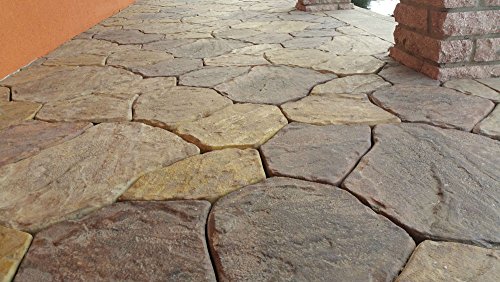
Best for budget-conscious DIYers who want multiple textures in a compact area. This set includes six ABS plastic molds designed to create pavement stones with varied textures. The molds offer a total usable area of about 0.37 square meters and a wall thickness around 38 mm (1.5 inches). The materials and wall geometry can affect final dimensions slightly, so expect minor variances in finished pieces. Choose this if you want a quick, economical way to build a charming flagstone look for a garden path or small patio.
Who it’s best for: small-scale projects, first-time mold users, and designers who want texture variety without a large upfront investment. Why selected: the six-piece assortment provides multiple surface textures that help mimic natural flagstone without requiring different molds or complex cutting. Limitation: variations in wall thickness and exact dimensions can occur depending on the concrete mix and pouring technique.
Betonex 6 Pcs Flagstone Molds
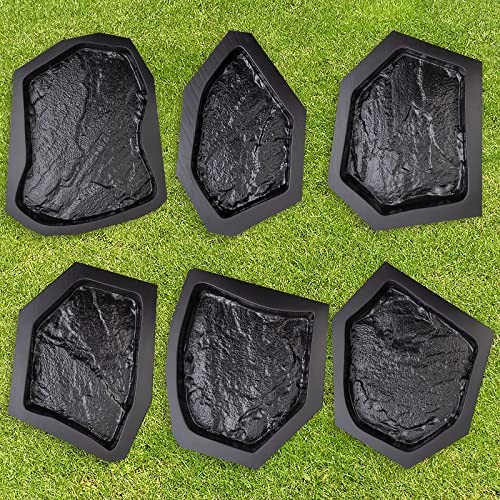
Best for repeatable flagstone pavers with higher reuse potential. This set includes six reusable paver molds with a variety of textures designed for creating walkways, garden paths, and stepping stones. The molds are described as easy to use and capable of producing more than 50 tiles when used with proper concrete mixes. They’re well-suited for homeowners who want to craft a cohesive garden path with consistent stone visuals. Caution: ensure you clean and dry the molds thoroughly between pours to maintain texture clarity over time.
Who it’s best for: homeowners planning longer projects and repeated tile output. Why selected: strong texture variety and the ability to produce many pavers from a single set makes it a solid value for ongoing paths and patios. Limitation: durability depends on handling and proper cleaning; excessive force can deform the molds if not cared for.
CJGQ Plus Size Concrete Molds
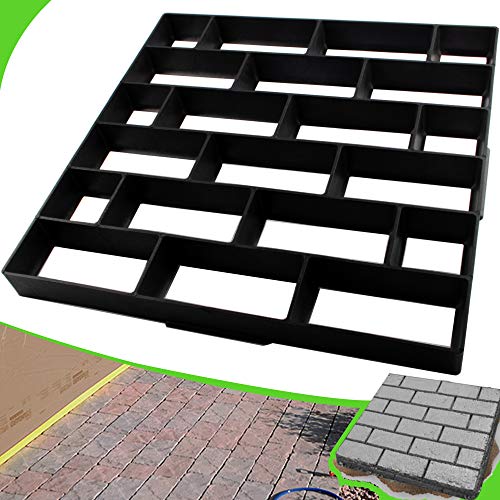
Best for large-scale projects and dramatic pathways. CJGQ offers an oversized 19.7 by 19.7-inch mold with a 1.7-inch thickness. The plus-size design helps reduce the number of pours and speeds up installation for expansive patios or lawn paths. It’s advertised as easy to use for DIYers, even without professional skills. Consider this option if your plan calls for fewer, larger pavers to create a bold, modern look. Caution: the large size requires more concrete per pour and may need a spacious work area.
Who it’s best for: DIYers tackling sizable projects or aiming for a modern, grid-like pathway. Why selected: oversized blocks cut project time and create a contemporary aesthetic. Limitation: larger molds require adequate space and more material per pour, which increases upfront material planning.
VanSmaGo Walk Path Maker 2 Pack

Best for expanding decorative pathways with a compact footprint. This option includes two large molds at 18.9 by 18.9 inches and 1.8 inches thick, designed to lay out a striking, block-like effect. It’s described as user-friendly with no special skills required. The molds are reusable and easy to clean with water after use. They suit homeowners who want a bold, flagstone-like appearance without shaping individual stones. Caution: ensure your mixing consistency aligns with the mold depth to avoid underfills or voids.
Who it’s best for: homeowners building a longer, more dramatic path. Why selected: large, bold block shapes speed up installation while providing a distinctive look. Limitation: larger per-block volumes may demand more concrete and adequate workspace during pours.
VanSmaGo 4 Packs 13×13 Molds

Best for versatile layouts with modular stepping-stone patterns. The four-pack set features 13 by 13 inch tiles with a 1.4-inch depth, ideal for mixing textures and creating winding garden paths. This kit emphasizes DIY friendliness and durability, noting that the plastic molds are easy to clean and reuse. It’s a practical choice for homeowners who want to design varied, yet cohesive runs of stepping stones. Caution: the 13×13 size may require more joints and careful alignment when planning larger paths.
Who it’s best for: DIY enthusiasts seeking a balance of size and texture versatility for mid-scale projects. Why selected: compact tiles allow flexible layouts and border accents without sacrificing visual impact. Limitation: tile-based layouts may require more joints and precise leveling to maintain even surfaces.
Buying Guide: How To Choose The Right Concrete Patio Stone Forms
What’s your project size and desired look? Large oversize molds speed up installation but require more concrete per pour. Smaller, textured molds offer more pattern variety in tighter spaces. For a natural flagstone effect, prioritize sets with multiple textures. If you plan repeated, long runs, consider durable, reusable molds that clean easily.
Material and durability matter. ABS and PP plastics are common; PP molds tend to flex less and can withstand repeated use. Check the wall thickness and texture density in the mold design, as these influence final print quality and how much concrete is required per tile.
Ease of use and maintenance. Look for sets that are easy to release, rinse, and dry. Mold sizing matters for handling and storage. Ensure your workspace has adequate room for pours—especially for oversized patterns or two-pack sets.
Cost per tile and project value. Sets with many textures may reduce the need for extra shaping or cutting, delivering better visual variety with fewer steps. Reusability and clean-up ease contribute to long-term savings.
Styling and landscape compatibility. Consider your overall landscape design—flagstones suit rustic and Mediterranean themes, while larger blocks fit modern, minimal designs. Plan for edging and joining options to create continuous pathways or defined borders.
FAQ
- What material is best for durable concrete molds? High-quality ABS or PP plastic molds are common; PP tends to offer greater stiffness and reuse potential, while ABS can be lighter and easier to shape for textured surfaces.
- Can I use these molds for outdoor clearance in winter? Most molds are designed for outdoor use, but ensure the concrete cure is complete and store molds in a dry area to avoid warping.
- How many pavers do I need for a 10-foot path? Calculate length and width in feet, divide by tile area in square feet, and add extra for corners and waste. Each mold’s area is typically listed in product descriptions.
- Do these molds require sealing after installation? Sealing is optional; it can reduce staining and weathering on stone surfaces, especially in porous concrete finishes.
- Is it better to use larger molds for a modern look? Yes, larger molds reduce joints and can create a contemporary, grid-like path, but require more concrete per pour and more space to work.
- How do I maintain texture in repeated uses? Clean molds promptly after pours; store in a dry area and avoid bending or flexing to maintain texture fidelity over time.
With these five selected options, you can tailor a concrete patio project to your budget, space, and desired style. Whether you favor a rustic flagstone appearance, bold oversized pavers, or a modular stepping-stone layout, these molds provide reusable, mix-and-match possibilities for durable outdoor spaces that endure year after year.