Choosing the right small lemon tree variety can brighten patios, balconies, and indoor spaces with fresh citrus. This guide highlights five compact options and seed-based choices that suit beginners and seasoned growers alike. Each option features climate preferences, growth habits, and practical care tips to help you decide which lemon variety best fits your space.
| Product | Key Benefit |
|---|---|
| 30PCS Meyer Lemon Seeds Delicious Fruit Citrus Fruit Garden Tree Seeds Heirloom | Thin-skinned lemons; warmth and humidity needed; great for bonsai potential |
| 200+ Mix Dwarf Bonsai Fruit Tree Seeds | Variety pack with four fruit types; long-term storage ready |
| Garden State Bulb Meyer Lemon Tree | 1 gallon live plant; zone 8–11; partial sun to partial shade |
| Dwarf Lemon Bonsai Tree Seeds | 20 seeds; fast-growing edible fruit; easy germination tips |
| Brighter Blooms – Meyer Lemon Tree | Small 1–2 ft tree; flavorful Meyer lemons; shipping restrictions noted |
Meyer Lemon Seed Collection For Small Gardens
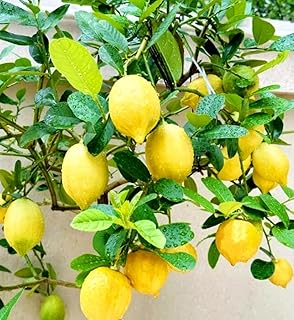
These Meyer lemon seeds offer a thin-skinned hybrid fruit known for a bright, aromatic zest. They require warmth and humidity to thrive and typically grow best in USDA hardiness zones 8 through 11. Cultivating these seeds as bonsai can yield a compact, ornamental plant with edible fruit. Seeded varieties like this are suitable for indoor growing in bright, sheltered spots or outdoor containers in milder climates. Germination may vary, and successful fruiting often depends on consistent moisture and well-draining soil. This seed set is ideal for hobbyists interested in starting multiple small lemon plants from seed and experimenting with bonsai forms.
200+ Mix Dwarf Bonsai Fruit Tree Seeds

This mixed assortment includes four popular fruit seed types with 50 seeds each for lemon, cherry, orange, and apple. The seeds come in tear- and moisture-resistant bags for long-term storage. For best results, soak seeds in room-temperature water for 3–5 days before planting, and maintain a moist, well-draining soil environment. The collection is designed for edible fruit production and offers a compact entry into bonsai or small-garden fruit cultivation. The variety helps gardeners compare flavors and growth habits in a single kit.
Garden State Bulb Meyer Lemon Tree
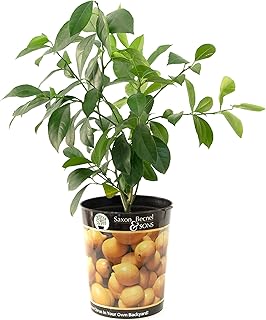
This live Meyer lemon tree arrives in a 1-gallon container and is suitable for zones 8 through 11. It prefers partial sun to partial shade, making it a good choice for indoor near a bright window or a sheltered outdoor patio. While not suitable for all climates, this variety can provide reliable fruiting in warmer regions and can be trained as a decorative small tree or kept as a potted houseplant. This option is ideal for gardeners seeking a ready-to-grow Meyer lemon specimen with moderate light needs and manageable size.
Dwarf Lemon Bonsai Tree Seeds

These lemon bonsai seeds promise a fast-growing, tasty edible fruit once established. With an approximate 50% germination rate, gardeners are advised to plant promptly after receipt or refrigerate seeds for later planting. Instructions emphasize sowing about half an inch deep in rich organic soil and keeping the bed consistently moist while germination occurs. This option suits hobbyists who enjoy the bonsai process and want a compact lemon plant that can be shaped and trained over time.
Brighter Blooms Meyer Lemon Tree

This compact Meyer lemon tree stands 1–2 feet tall and is noted for flavorful fruit with a delicate balance between tartness and sweetness. The listing mentions shipping restrictions to several states, reflecting regulatory or climate considerations. Meyer lemons are particularly valued for juicing and zest, and this cultivar offers a small, easily manageable option for urban gardeners, patios, or sunny indoor spaces. Care focuses on bright light, regular watering, and well-draining soil to support steady growth and fruiting.
Buying Guide
When selecting a small lemon tree or lemon seed kit, consider climate, space, and growing goals. Key factors include:
- Climate suitability: US regions with warm winters (zones 8–11) support most Meyer lemon varieties outdoors. Elsewhere, container growing indoors near bright windows is common.
- Growth habit and size: Seed-grown plants can become bonsai or small trees over time. Dwarf varieties and container-specific selections suit balconies and small yards.
- Light and warmth: Lemon trees need bright light and steady warmth to fruit. Indoor growers should place plants in sunlit spots and use supplemental lighting if needed.
- Soil and watering: Use well-draining soil and a balanced citrus fertilizer. Avoid overwatering; citrus roots do not like saturated soil.
- Germination and care (seeds): Germination rates vary; soak seeds before planting and maintain consistent moisture. Refrigeration can extend shelf life for some seeds.
- Fruit quality and flavor: Meyer lemons are prized for their sweetness and fragrance. Differences in rind thickness and juiciness can influence culinary uses.
- Maintenance and pruning: Regular pruning helps maintain a compact shape, improve air circulation, and promote fruit production in container-grown trees.
- Pests and diseases: Watch for common citrus pests (aphids, scale) and monitor for nutrient deficiencies. Quarantine new plants to prevent disease spread.
- Supply and shipping considerations: Some vendors list shipping restrictions by state; confirm availability for your location before purchase.
Overall, small lemon varieties offer flexibility for urban gardeners, hobby bonsai enthusiasts, and simple home fruit production. Whether starting from seeds or selecting a ready-to-grow tree, these options enable diverse approaches to growing citrus in limited spaces.