The right gravel grid and permeable paver system can transform a shed foundation from a muddy afterthought into a stable, water-friendly base. Permeable paver grids spread loads, prevent soil erosion, and keep your shed sturdy even in wet seasons. Below are five top-rated options that American DIYers trust for shed bases, driveways, and garden paths. Each choice emphasizes strength, easy installation, and reliable drainage to help you compare without guesswork.
| Product | Brand | Key Strength | Typical Use |
|---|---|---|---|
| TRUEGRID PRO LITE | TRUEGRID | 100% permeable; up to 72 sq ft coverage per pack; heavy load tolerance | Driveways, shed bases, gravel, patios |
| Goldshire Permeable Pavers | Goldshire | 6,610 lbs load capacity per grid; durable recycled plastic | Shed bases, driveways, grass patios |
| VEVOR Ground Grid | VEVOR | 1885 lbs per sq ft; 108 sq ft coverage per unit | Patios, sheds, light vehicle driveways |
| GOOFCXO Permeable Pavers | GOOFCXO | 12-piece system; heavy-duty, 2.5 cm thick | Grass & gravel pathways, shed bases, decks |
| RutGuard Geocell | RutGuard | 230 sq ft per panel; 1885 lbs per sf strength | Paver bases, sheds, patios |
TRUEGRID PRO LITE Permeable Pavers Review
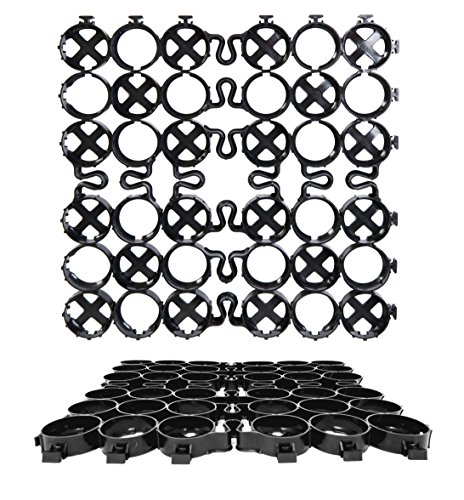
TRUEGRID PRO Lite paver grids are designed for ease of installation by DIYers looking to create a stable, permeable surface for shed bases and other outdoor projects. A standout feature is that the grids are made in the USA from 100% post-consumer recycled HDPE, aligning with sustainability goals while delivering solid performance. The lightweight design helps reduce installation fatigue, making it feasible to tackle a shed foundation without heavy equipment. The grids are all-weather friendly, designed to resist snow plowing and to drain instantly, which minimizes puddling and erosion around sheds. For a shed base, layout flexibility matters: the grid’s modular nature allows you to adapt to uneven terrain and create a level, stable platform that remains permeable to water. In practice, customers report quick setup and straightforward interlocking that holds shape under load, especially when paired with a proper base layer and geotextile. The product’s emphasis on permeability helps with drainage and reduces standing water around the shed, contributing to a longer-lasting base.
What to consider: Ensure you have a suitable sub-base (compacted aggregate) and a top layer that matches the expected load. Permeable pavers work best when the underlying soil is stable and the system is correctly filled to avoid movement. This model suits light- to moderate-load shed bases and small driveways where drainage is a priority.
Goldshire Permeable Pavers Gravel System

Goldshire’s permeable paver system comes in a 12-unit set designed to cover about 32 square feet. Made from 100% recycled plastic, the pavers emphasize durability and long-term performance. The system is advertised to handle loads up to 6,610 lbs, depending on the foundation and fill, which makes it suitable for shed bases, light driveways, and parking spaces. The interlocking design helps users create custom layouts while reducing the risk of gravel migration. The compact depth of 1.6 inches keeps the overall height low, easing installation in tight spaces. A notable benefit is its versatility: you can deploy these pavers for grass patios, gravel driveways, and shed foundations with a simple layout. The product’s strength comes from its rigid grid construction, which distributes weight across a wider area, reducing soil compaction beneath a shed base.
Buying tip: Pair with a geotextile underlay to improve edge stability and to minimize weed growth. Consider additional base materials if you plan to support heavier equipment or vehicles.
VEVOR Ground Grid 27 ft x 4 ft
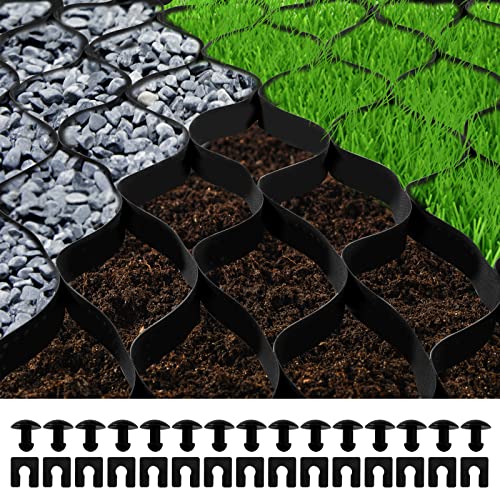
VEVOR’s Ground Grid combines thickness and a dimension that makes it appealing for shed bases and small driveways. The 2-inch depth provides a robust surface that can support a fair amount of weight, particularly when the grid is properly filled with gravel or soil. Its 108 square feet of coverage per unit helps cover larger shed foundations or patios without excessive seams. The HDPE material is designed to resist common environmental factors, including UV exposure, acids, and alkalis, contributing to a longer service life. The grid’s small cells help prevent gravel migration, while the honeycomb structure supports load distribution and drainage. A unique feature is the cuttable aspect, which allows for on-site customization to fit irregular shapes. For shed bases, it’s important to have a well-prepared sub-base and to fill evenly to avoid soft spots.
Want more stability? Use a geotextile layer beneath the grid and ensure a consistent fill level across all cells to maximize load distribution and drainage performance.
GOOFCXO Permeable Pavers 12 Pcs

GOOFCXO offers a 12-piece heavy-duty permeable paver system suitable for grass and gravel surfaces, with an exterior design that supports rough use in driveways or shed bases. Each paver is a 16×16-inch panel with a 1-inch depth, and the interlocking design allows you to create customized layouts. The material is described as thick, high-strength plastic mesh, designed to resist deformation under vehicular traffic, which is essential for shed bases exposed to frequent use. The honeycomb grid enhances permeability and drainage, reducing standing water around the foundation. The collection emphasizes adaptability—pieces can be cut with scissors for precise fitting, which is helpful when addressing irregular shed footprints or border edges. As with all permeable paver systems, achieving optimal results requires a well-prepared sub-base and a consistent fill material.
Installation note: Start with a stable edge and maintain uniform depth across the entire layout to prevent soft patches and movement under load.
RutGuard Geocell 2-Inch Tall Panels

RutGuard Geocell panels offer a modular approach to building shed bases, patios, and pathways with deep-cell, high-strength geocell technology. Each panel covers an expansive 230 square feet with dimensions of 8 feet by 28 feet and 2 inches tall, enabling rapid, wide-area stabilization. The panels are designed to be cut and reattached, using simple fasteners such as zip ties or staples, making installation flexible for irregular site layouts. Manufactured in the USA and UL- or CE-certified, RutGuard emphasizes recyclability and UV stability, which can help maintain performance in sunny climates. When filled with gravel or soil, the grid distributes loads across a broad area, improving base stability and reducing erosion on slopes. For shed foundations, it’s important to properly anchor edges and ensure even fill depth to prevent deformation and movement.
Practical guidance: Plan for panel connections and avoid gaps at seams; use appropriate restraints at edges to maximize load transfer and minimize migration of fill materials.
Buying Guide: Key Purchase Considerations
When selecting the best gravel grid or permeable paver system for a shed base, consider the following factors to optimize performance and longevity.
- Load capacity and use case: Match the product’s rated load to your shed size and expected traffic. For typical shed bases, choose options with good load distribution and a stable base layer to prevent settlement.
- Permeability and drainage: Permeable systems reduce runoff and standing water, protecting the shed foundation from moisture-related issues. Ensure the product’s permeability fits your climate and soil conditions.
- Material and durability: Most options use HDPE or recycled plastic. Look for UV resistance, weather durability, and resistance to deformation, especially in freeze-thaw cycles.
- Ease of installation: DIY-friendly interlocking designs, cut-to-fit panels, and lightweight components save time and effort. Check installation instructions and required tools.
- Sub-base preparation: A well-compacted sub-base (gravel or crushed stone) and geotextile underlay improve stability, reduce weed growth, and enhance drainage.
- Edge and seam stability: Edge restraints, connectors, and proper seam alignment minimize movement and migration of fill material under load.
- Size, coverage, and expansion: Compare unit dimensions, total coverage, and how easily the system scales for larger shed footprints or irregular areas.
- Maintenance and longevity: Consider how easy it is to replace damaged panels or sections and whether the system supports long-term performance with minimal maintenance.
Across these products, you’ll find a range of options from lightweight, DIY-friendly grids to heavier-duty geocell panels designed for larger shed bases and driveways. In general, deeper grids (2 inches or more) offer better load distribution, while higher-permeability designs keep water moving away from the shed foundation. Always complement any grid or paver system with a properly compacted sub-base, geotextile fabric, and, if needed, edging to secure the installation.