Discover durable, UV-resistant greenhouse plastic films designed to protect crops, extend growing seasons, and maximize yields. This guide highlights five top options with high light transmission, strength, and weather resistance to help you choose the right film for your climate and setup.
The following summary table provides quick core details on the chosen products. Use it as a reference while you read the in-depth sections.
| Product | Size (approx.) | Thickness | |
|---|---|---|---|
| Greenhouse Plastic Sheeting, 12 x 25 ft | 12 x 25 ft | 6 mil | 5-layer extrusion, UV protected, high light transmission |
| 6 mil Greenhouse Plastic Sheeting, 20 x 25 ft | 20 x 25 ft | 6 mil | 5-layer extrusion, anti-drip surface, UV resistant |
| Greenhouse Plastic Sheeting, 13 x 26 ft | 13 x 26 ft | 6 mil | Heavy duty, versatile coverage, easy to store |
| Greenhouse Plastic Sheeting, 6.5 x 19.6 ft | 6.5 x 19.6 ft | 6 mil | Premium polyethylene, good light transmittance, durable |
| 6.5 x 10 ft Greenhouse Plastic Sheeting | 6.5 x 10 ft | 6 mil | High tensile strength, UV resistant, versatile coverings |
Greenhouse Plastic Sheeting, 12 x 25ft, 6 Mil
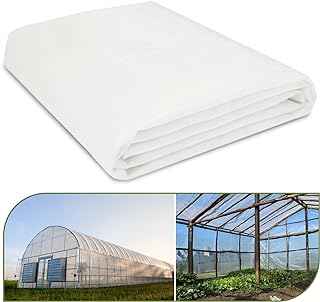
The 12 x 25 ft greenhouse film features 6 mil thickness and 5-Layer Co-Extrusion technology, delivering high mechanical strength and flexibility. Its UV-resistant design helps protect crops from sun damage during hot days, while maintaining clarity to ensure light reaches plants evenly. This combination supports warm, steady temperatures inside the structure and can extend the growing season by reducing heat loss at night. A durable polyethylene construction aims to provide long service life even with routine seasonal use.
6 Mil Greenhouse Plastic Sheeting, 20 x 25 ft

This 20 x 25 ft film is crafted from high-quality polyethylene at 6 mil thickness for robust tear resistance and longevity. It employs 5-layer extrusion for enhanced strength and flexibility, providing reliable protection against UV exposure at elevated temperatures. An anti-drip surface feature helps prevent water droplet formation that can stress plants when sunlight hits the film, though it may appear slightly hazy due to the hydrophobic layer. The film balances durability with adequate light diffusion to support even plant growth indoors.
Greenhouse Plastic Sheeting, 13 x 26 ft

With a large 13 x 26 ft footprint, this heavy-duty greenhouse film offers expansive coverage for frames, stacked furniture, or work areas. It’s easy to store between uses due to its lightweight but durable construction. The film is designed to be tear-resistant and long-lasting, ensuring continued protection across multiple seasons. Its versatility supports seasonal crop protection and DIY projects, enabling growers to tailor coverage to varying greenhouse layouts.
Greenhouse Plastic Sheeting, 6.5 x 19.6 ft

HBJVSDUI’s 6.5 x 19.6 ft film uses 6 mil thick polyethylene for reliable coverage in mini-greenhouses or garden plots. It emphasizes higher light transmittance to distribute sunlight evenly, promoting warmer interior conditions and healthier growth during cooler periods. The film is designed to resist wind, rain, and snow, ensuring durability in fluctuating weather. A blend of clarity and strength makes it suitable for long-term seasonal use and quick recoveries after removal.
6.5FT x 10FT Greenhouse Plastic Sheeting

This 6.5 x 10 ft film offers a compact, versatile solution for small gardens and DIY projects. The 6 mil thickness delivers enhanced tensile strength and UV resistance, suitable for outdoor plant coverings and lightweight structures. It can be secured with clips or weights and paired with hoops or frames to create a breathable growing space. The film supports even light distribution for uniform seed germination and steady growth, making it a practical choice for gardeners with limited space.
Buying Guide: Key Purchase Considerations
When choosing greenhouse plastic film, consider the following factors to ensure you select a product that matches your climate, crops, and structure:
- Thickness and durability: Most of the options here are 6 mil. Thicker films offer greater tear resistance and longer life, especially in windy or snowy climates, but may reduce light diffusion slightly. Balance durability with your light needs.
- Light transmission: Uniform light distribution helps with even seed germination and crop growth. Look for films designed to maximize light transmittance while minimizing hot spots and heat loss at night.
- UV resistance: UV-stable films protect crops from sun damage and extend the life of the cover. UV inhibitors can significantly extend service life in sunny regions.
- Anti-drip and surface properties: Anti-drip coatings reduce water droplets that can scorch plants under strong sun. Note that such coatings may appear hazier, which can influence visibility inside the greenhouse.
- Size and flexibility: Choose a size that matches your greenhouse frame or the area you intend to cover. Larger sheets cover more area, but may require more trimming and handling.
- Ease of storage: If you only need seasonal use, consider films that fold or roll compactly for simple storage between seasons.
- Application and compatibility: Ensure the film can be secured with your existing hoops, clips, or frames. Some films are easier to fix with standard greenhouse hardware than others.
- Maintenance: Wipe-clean capability and resistance to dirt accumulation can simplify ongoing upkeep and preserve light transmission over time.
- Cost vs. lifespan: While higher-end films may cost more upfront, their longevity and performance can reduce replacement frequency and overall maintenance costs.
In practice, selecting a mid-range 6 mil film with good light transmittance and UV stability tends to work well for most home gardens and small commercial setups. If you operate in harsher climates or require large-scale coverage, prioritize larger sizes with robust anti-drip features and multi-layer construction.
This article consolidates practical, product-based considerations with objective performance traits to help you compare options effectively. The chosen films emphasize durability, light quality, and weather resilience, all critical for maintaining productive growing environments across seasons.