Clay soil can be difficult to work with, often compacting and hindering drainage. The right soil improver can loosen clay, improve aeration, and boost nutrient availability for healthier roots. This guide highlights top Amazon offerings designed to enhance clay soils, with pros, uses, and practical considerations to help you choose.
| Product | Brand | Key Benefit (Clay Soil) |
|---|---|---|
| Sol Soils Calcined Clay | sol soils | Superior drainage, aeration, and root health for indoor and outdoor plants |
| Down To Earth All Natural Fertilizers Garden Gypsum | Down To Earth All Natural Fertilizers | Loosens clay, improves drainage, and remediates saline/alkaline soils |
| Espoma Organic Garden Gypsum | Espoma | Loosens heavy clay soil for better root growth; easy to apply |
| Calcined Clay for Bonsai | Awesome Industries | High porosity for drainage and moisture retention; ideal for bonsai and indoor plants |
| Horticultural Calcined Clay Soil Bonsai Cactus | Voulosimi | Promotes aeration and moisture balance for varied indoor plants |
Sol Soils Calcined Clay – 100% Peat-Free Soil Amendments
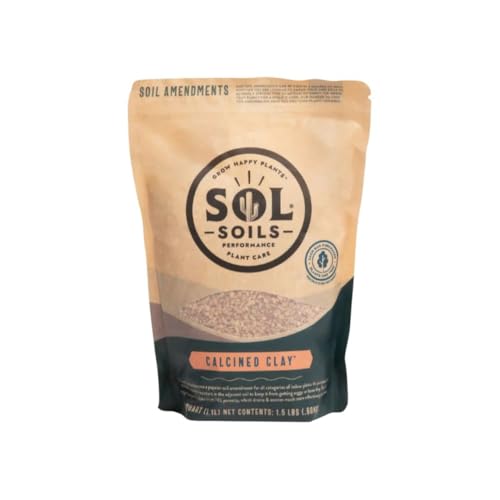
Sol Soils Calcined Clay is engineered to improve soil structure with high porosity and air pockets. Fired at high temperatures, it delivers about 74% porosity and rough edges that enhance airflow, helping roots access oxygen while reducing compaction. It moderates moisture, preventing both overwatering and drought stress, making it suitable for a wide range of indoor plants, succulents, and bonsai. This amendment is particularly effective in clay-heavy mixes where drainage and aeration are primary concerns.
Key considerations: Calcined clay supports good drainage without sacrificing moisture retention. It is versatile for many plant types and can be blended with existing soil to improve structure. For projects focusing on potted plants or compacted bed areas, this amendment offers predictable porosity and a stable environmental baseline for root growth.
Down To Earth All Natural Fertilizers Garden Gypsum

Garden Gypsum is a natural, mineral-based amendment designed to loosen clay soils, improve drainage, and reduce soil compaction. OMRI-listed for organic production, gypsum helps remediate alkaline, sodic, or saline soils by supplying calcium while improving soil structure. It does not contain synthetic additives, and it can be stored with a long shelf life when kept dry. Gypsum is commonly used to create a looser soil profile that enhances root penetration and water movement in clay-rich beds.
Key considerations: Gypsum adds calcium and helps displace sodium in soil, which can improve structure over time. It’s particularly useful in heavy clays that are also alkaline or saline. As a mineral-based amendment, it’s well-suited for organic gardening and for growers seeking slow, steady improvement rather than rapid changes.
Espoma Organic Garden Gypsum

Espoma Organic Garden Gypsum offers a pelletized, all-natural gypsum designed to loosen heavy clay soils and promote healthier root growth. Pellets make application straightforward, with flexible use across growing seasons. While gypsum itself does not alter pH significantly, it improves drainage and soil structure, enabling roots to access air and moisture more efficiently. It is a practical option for lawns and garden beds where clay is a recurring challenge.
Key considerations: Pelletized gypsum is easy to spread and apply with minimal disruption. It supports drainage without the risk of chemical alterations to the soil, aligning well with organic gardening practices. For best results, apply according to soil test recommendations and water after application to help the gypsum integrate into the soil profile.
Calcined Clay for Bonsai – 1 Pint
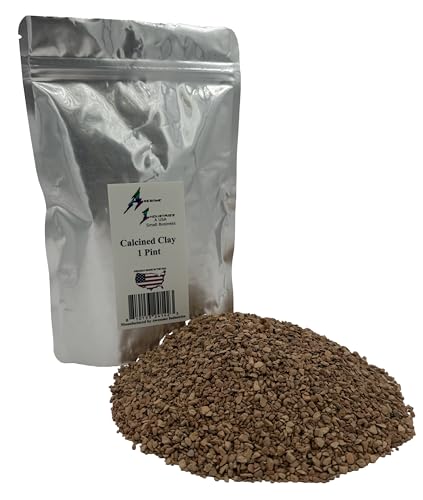
This high-fired montmorillonite calcined clay is a premium soil amendment favored for bonsai, succulents, cactus, and various indoor plants. It mimics the renowned Akadama material, offering durable structure and good porosity. The product’s design supports excellent drainage while maintaining adequate moisture retention, reducing the risk of root rot and waterlogging. Its slightly acidic pH can balance alkaline amendments in mixed soils, contributing to a balanced root environment.
Key considerations: Calcined clay provides open air spaces that promote aeration and healthy root growth. It is particularly suitable for compact indoor setups and plants requiring precise moisture control. Use as part of a well-balanced bonsai or succulent soil mix to optimize root health and growth performance.
Horticultural Calcined Clay Soil Bonsai Cactus

Voulosimi’s horticultural calcined clay is a versatile soil additive used across bonsai, succulents, cactus, and many specialty indoor plants. It improves soil aeration, drainage, and moisture retention due to its porous structure. The product’s properties make it an attractive option for clay-heavy mixes needing better root access to air and water without becoming waterlogged.
Key considerations: Calcined clays with good porosity behave differently than typical potting soils, so adjust watering accordingly. This amendment pairs well with other organic or mineral soil conditioners to maintain a balanced pH and moisture regime in indoor plantings and bonsai projects.
Buying Guide: Clay Soil Improvement Considerations
When selecting a soil improver for clay soil, consider structure, porosity, and moisture management. Look for amendments that increase drainage and aeration while maintaining sufficient moisture for roots. Common options include calcined clays, gypsum-based products, and mineral amendments. The following perspectives help cover common goals and constraints:
- Drainage and aeration focus: Calcined clay products create air spaces and improve drainage, reducing compaction and promoting root growth, especially in potted plants and raised beds.
- Calcium amendments: Gypsum products supply calcium to displace sodium and loosen clay over time, improving soil structure without dramatically altering pH. Suitable for alkaline and sodic soils.
- Organic vs. mineral balance: Organic-based soil activators can deliver nutrients and microbial activity to support soil biology, while mineral amendments like gypsum and calcined clay address physical structure and water movement.
- Application rate and timing: Follow product labels or soil test guidance. Gypsum and calcined clay typically work gradually; spread in multiple applications during the growing season for steady improvement.
- Indoor vs. outdoor use: Indoor plant mixes benefit from calcined clay and similar amendments to prevent waterlogging, while outdoor beds may require a combination of gypsum and clay-specific blends.
Additional Considerations: Performance And Plant Type
Different plant groups respond uniquely to soil amendments. Succulents and cacti require excellent drainage and moisture control, making calcined clay and similar amendments particularly effective. Lawns and turf blends may benefit from gypsum where compacted soil and poor drainage are issues, but consider holistic lawn care strategies to support long-term soil health. For ornamental indoor plants, choose amendments that balance drainage with moisture retention to prevent rapid drying or waterlogging. Always align amendment choice with your soil composition, plant needs, and local climate.