Finding the right tool to cut through stubborn roots can save time, effort, and energy in any garden or landscape project. This guide highlights five top-performing root-cutting tools, including serrated shovels, long-reach bars, and compact hand saws, chosen for their durability, versatility, and user comfort. Each entry includes key features to help you compare performance for digging, trimming, and stump removal across different soil conditions and root thickness.
| Product | Brand | Type | Key Benefit |
|---|---|---|---|
| Root Assassin 48″ Garden Shovel/Saw | ROOT ASSASSIN | Serrated Shovel/Saw | Heavy-duty root and weed slicing with a comfortable D-handle |
| 32″ Mini Root Assassin Garden Shovel/Saw | ROOT ASSASSIN | Serrated Shovel/Saw | Slim, precise root cutting with ergonomic grip |
| Japanese Saw Hand Saw – 8” Root Cutter | Kings County Tools | Hand Saw | Compact, clean cuts with a sharp, serrated blade |
| Leriton 55 Root Cutting Tool | Leriton | Retractable Root Cutter | Gravity-leverage design for quick, deep cuts |
| HANTOP Drain Spade Root Saw Spade | HANTOP | Manual Spade with Serrated Blade | Long reach for trenching and root cutting |
Root Assassin 48″ Garden Shovel/Saw
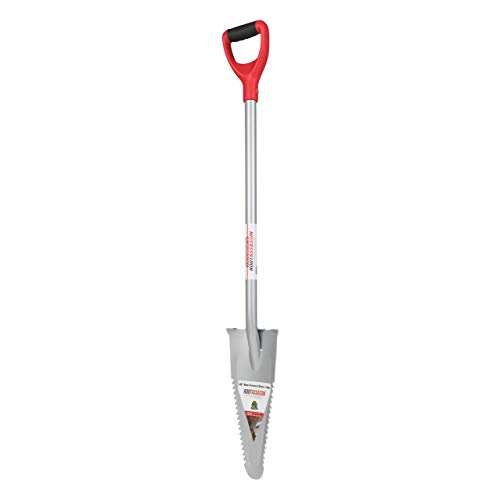
The Root Assassin 48″ combines a serrated shovel blade with a built-in saw for cutting through stubborn roots and weeds. The extended shaft length improves reach, reducing bending and strain when working around large roots or near tree bases. The shovel’s curved tip enhances soil penetration, while serrated edges speed up root slicing. A sturdy D-shaped, rubber-coated handle provides comfort during extended digging sessions, helping to maintain grip and control on uneven ground. This design supports efficient pruning and trenching in landscaping, garden bed preparation, and stump work. Users report faster task completion with less physical effort when compared to conventional digging tools.
Key features include a serrated shovel for rapid root cutting, a dedicated root-saw edge for dense obstructions, and an ergonomic handle that minimizes fatigue. The tool’s weight distribution helps balance leverage with minimal wrist strain. For best results, pair with proper safety gloves and eye protection, especially when cutting through robust or resinous roots. The Root Assassin is a versatile option for professional landscapers and home gardeners dealing with large, fibrous roots in hard soil.
32″ Mini Root Assassin Garden Shovel/Saw

The 32″ Mini Root Assassin provides a compact option without sacrificing cutting power. Its serrated shovel edge and curved blade are designed to slice through roots quickly, helping gardeners tackle dense root systems in smaller spaces or when maneuverability matters. The tool’s lightweight construction supports extended use with less fatigue, making it suitable for edging along pathways, removing shallow stumps, or trimming invasive roots near garden beds. The rubber-coated D-handle ensures a comfortable grip during repetitive cuts, even when the soil is tough or damp.
With a design that mirrors the larger Root Assassin, this model emphasizes precision and control. The smaller form factor makes it ideal for beginners or users working in confined areas where a long, heavy tool would be cumbersome. As with all serrated root tools, safety considerations include keeping hands away from the blade during storage and transport, and wearing protective gloves to guard against snagging on coarse roots.
Leriton 55 Root Cutting Tool

The Leriton 55 Root Cutting Tool combines a telescoping, gravity-leverage design with a robust steel blade to tackle roots up to about five inches in diameter. This multi-tool functions as a hewer, stump remover, and digging aid, helping consolidate several tasks into one device. The extendable shaft allows for deeper cuts and better leverage while keeping the user’s body away from the obstacle. The tool’s high-carbon steel blade offers durability under repeated use, and the overall structure supports efficient root and soil disruption in larger landscape projects.
Designed for versatility, the Leriton unit suits both routine yard maintenance and more aggressive root-removal projects. Its gravity-leverage approach reduces effort for deeper cuts, which can be beneficial when working around concrete gaps or stubborn root mats. As with all power-assisted manual tools, users should inspect the blade for nicks, maintain lubrication on moving joints, and store in a dry location to prevent corrosion.
Japanese Saw Hand Saw – 8” Root Cutter
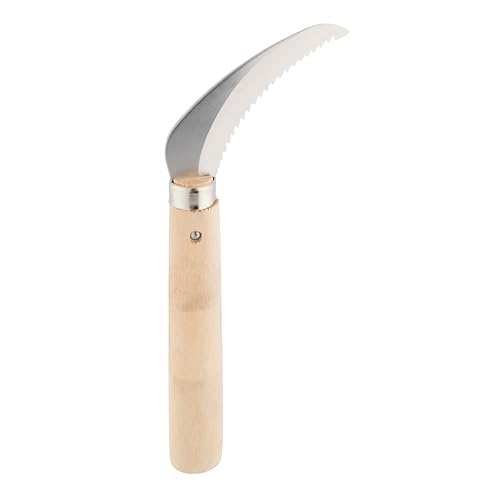
This Kings County Tools Japanese hand saw offers a compact 8-inch blade with a 30-degree cutting angle, optimized for root cutting in gardening and landscaping. The blade’s serrated edge enables clean, swift cuts through dense root tissue, while the stainless steel construction resists corrosion and maintains a sharp edge. The wood handle provides a comfortable grip for extended use, and the tool’s small size makes it highly portable for precise work or pruning in tight spaces around beds and shrubs.
Practical for pruning, transplant work, and cutting through fibrous roots, this saw complements larger root-cutting tools in a toolkit. Maintenance tips include drying the blade after use, applying a light rust inhibitor if needed, and storing in a protective sheath to prevent injury during transport.
Berry&Bird Perennial Spade

The Berry&Bird Perennial Spade is designed for precise root cutting and transplanting in perennial beds. Its pointed head facilitates clean root entry without damaging surrounding plants. The mid-length handle offers leverage for controlled digging and transplanting, while the polished stainless steel blade resists rust and maintains sharpness over time. The wooden handle provides a traditional, comfortable grip suited for medium-length tasks, such as separating established perennials, lifting shallow roots, and digging for propagation.
Ideal for gardeners managing border plants and raised beds, this spade delivers accuracy in root trimming while minimizing collateral damage. Regular maintenance includes cleaning soil from the blade, drying thoroughly, and applying a light coat of oil to prevent moisture-related corrosion. Ergonomic use reduces wrist strain, though users should employ proper stance and body mechanics for deeper digs.
HANTOP Drain Spade Root Saw Spade

The HANTOP Drain Spade combines a long reach and a serrated blade designed for trenching and root cutting. Its 44-inch length offers extended reach, reducing the need for awkward bending in deep root zones. The head is crafted from a durable steel alloy with a fiberglass handle, balancing sturdiness with light weight for extended use. The serrated edge helps cut through stubborn roots and compacted soil when preparing drainage trenches or installing irrigation lines, while the pointy spade tip facilitates initial soil penetration.
For heavy-duty projects, this tool provides leverage and control across wider root systems. Maintenance recommendations include inspecting the blade for burrs after cutting, ensuring the fiberglass handle is secure, and storing in a dry environment to inhibit rust. As with all long-shaft tools, maintain proper posture to reduce back strain during extended digging sessions.
Buying Guide: Key Purchase Considerations For Root Cutting Tools
- Root size and density: Choose blades and bars that match the typical root thickness you encounter. Heavier blades and longer shafts improve leverage for large roots, while compact designs excel in tight spaces.
- Reach and leverage: Long-handled tools reduce bending and enable deeper cuts, but they can be heavier. Consider a telescoping or gravity-leverage design for variable depth needs.
- Blade type and maintenance: Serrated blades cut quickly through fibrous roots, but require care to avoid dulling. Stainless steel resists corrosion, while high-carbon steel offers durability with proper maintenance.
- Ergonomics and grip: D-shaped handles with rubber coatings reduce fatigue and improve control. Look for balanced weight distribution to minimize wrist strain during extended sessions.
- Versatility: Some tools combine digging, pruning, and trimming capabilities. A multi-tool can reduce number of devices needed for routine landscaping tasks.
- Storage and safety: Store blades dry and protected. Use protective sheaths for transport and wear protective gloves during operation to prevent injuries.
- Application scope: Decide if you need a tool for professional-grade stump removal, large tree roots, or garden border maintenance. This will guide your choice between dedicated root cutters and more general digging tools.
Choosing the right root-cutting tool involves evaluating your typical tasks, soil conditions, and workspace. By comparing blade designs, reach, weight, and ergonomics, you can select a tool that improves efficiency and reduces physical strain on repeated root-cutting projects. Avoid overextending tools in hard soil, and always follow safety guidelines during use and storage.