Protecting poultry from aerial and ground predators is essential for a productive farm or backyard coop. The following predator netting options are designed to deter hawks, owls, raccoons, foxes, and other threats while allowing sunlight and air to reach coops and gardens. Each product below is chosen for durability, ease of use, and suitability for chicken runs, coops, and fruit and vegetable protection.
| Product | Mesh Size | Size (ft) | Best For | Brand |
|---|---|---|---|---|
| Bird Netting for Chicken Coop | 2.4” | 50×50 | Chicken runs, gardens, balconies | RYHBETH |
| Vocray Bird Netting for Chicken Coop | 1” | 50×50 | Poultry runs, fruit trees, garden beds | Vocray |
| Heavy Knotted Poultry Netting | 2” | 50×50 | Chickens, hawk deterrence, garden protection | Threekia |
| Harvesto Bird Netting (50’ x 50’) | 1.5” | 50×50 | Chickens, blueberries, vegetables | Harvesto |
| BSTPCOO Bird Netting for Chicken Coop | 0.75” | 25×25 | Fruit trees, garden crops, coops | BSTPCOO |
These selections provide a range of mesh sizes and dimensions to fit different coop layouts and garden configurations. When choosing netting, consider predator types in your area, climate, install method, and whether you need removable protection for seasonal crops. The products below are organized to help you compare key features quickly and decide which netting best safeguards your flock and your garden.
Bird Netting For Chicken Coop 50×50 For Predators

The Bird Netting for Chicken Coop from RYHBETH provides a large, sturdy barrier suitable for draping over chicken runs or coops. Its 2.4” mesh helps deter larger pests and birds while remaining lightweight enough to cover expansive spaces. The netting is described as a protective layer for gardens as well, shielding fruit trees and vegetables, and it even notes utility for balcony safety. For chicken safety, ensure a secure edge setup to prevent predator entry and to avoid chicken escapes.
Key features include multi-purpose use—from poultry protection to garden and balcony safety. The material’s durability is highlighted as suitable for outdoor weather exposure, offering a reusable option across seasons. While the 2.4” mesh helps deter bigger critters, plan for proper tensioning and anchoring to prevent sagging in wind or rain.
Vocray Bird Netting For Chicken Coop 50×50
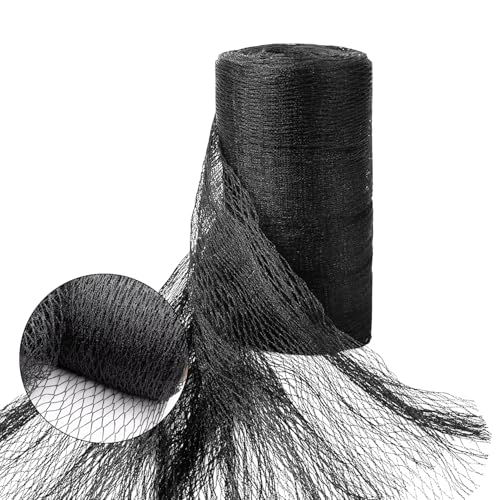
Vocray’s 50×50 ft bird netting features a 1” mesh designed to block predators while reducing risk to chickens. The 1-inch weave also helps prevent smaller animals like rabbits or mice from passing through, adding a level of garden protection beyond poultry safety. The HDPE weave offers UV resistance and durability for outdoor use, including exposure to wind and rain. This netting can be used to roof runs or to cover fruit trees and garden beds, keeping crops intact during feeding seasons.
Consider its tensioning capabilities and ease of installation for large areas. A 1” mesh is a middle-ground option: sturdy against larger birds and pests, yet fine enough to limit escape and plant damage. This product emphasizes long-term reuse and resilience in varied weather conditions.
Threekia Heavy Knotted Poultry Netting 50×50

Threekia offers a heavy knotted 2” mesh netting designed for hawk deterrence and robust poultry protection. Made from HDPE with UV stabilizers, this netting emphasizes durability and long-term use. The larger 2” mesh is effective for enclosing chickens while providing airflow and sunlight. It’s described as suitable for both chicken coops and garden protection, keeping predators at bay while remaining wildlife-friendly by not trapping smaller birds.
Installation is described as straightforward, with emphasis on maintaining tension to avoid sagging. This option suits larger runs where a strong barrier against aerial and ground predators is a priority, and its 8–12 year potential lifespan supports long-term planning for flock safety.
Harvesto Heavy Duty Bird Netting 50×50

Harvesto’s 50×50 ft bird netting uses fully knotted HDPE and a 1.5” mesh that aims to balance protection and ventilation. Marketed for garden and poultry protection, it targets predators such as hawks, raccoons, and owls, while also shielding blueberries, vegetables, and fruit trees. The packaging emphasizes tangle-free setup and weather resistance for outdoor use, making it a practical option for broad protection across coops and garden plots.
Users should assess whether 1.5” mesh suits their specific predator profile and plant protection needs. The emphasis on wildlife-friendly design and easy installation suggests it is well-suited for gardeners who want a reliable barrier without trapping small birds.
BSTPCOO 25×25 Bird Netting 3/4″ Mesh

This BSTPCOO option uses a 3/4” nylon mesh and is marketed as a lightweight yet heavy-duty netting solution. The nylon multi-filament construction is UV-proof and designed to resist tangling and tearing, making it reusable for multiple seasons. This smaller mesh is ideal for protecting fruits and vegetables, as well as chicken coops and trellises, without restricting pollination or airflow.
Consider the balance between mesh fineness and coverage area. The 25×25 footprint is suitable for smaller runs or garden sections, and the nylon construction is positioned as durable and reusable in a range of weather conditions.
Buying Guide: Key Considerations For Predator Netting
- Predator profile: Identify the most common threats in your area (hawks, owls, raccoons, foxes) and choose mesh size accordingly. Smaller mesh prevents entry by smaller pests, while larger mesh may be easier to install but could allow some predators through.
- Material and durability: Look for UV-stabilized HDPE or nylon nets designed for outdoor use. Durable nets withstand wind, rain, and sun exposure and should be easy to anchor securely to prevent sagging.
- Mesh size vs. airflow: Smaller mesh offers better protection but can restrict airflow if the netting is placed over large areas. Balance protection with ventilation to prevent overheating in hot climates.
- Coverage and layout: Consider whether you need roof-cover over a run, a full coop wrap, or garden protection for fruit trees and beds. Rectangular or square layouts are easier to size and install than irregular shapes.
- Installation and maintenance: Choose nets with simple installation methods, heavy-duty ties, and clear edges to secure. Removable options can be beneficial for seasonal planting or crop rotation.
- Wildlife impact: Select netting designed to deter predators without ensnaring birds or mammals unnecessarily. Wildlife-friendly designs help protect local ecosystems while safeguarding your flock.
- Reuse and lifespan: Higher upfront cost may yield longer lifespan (8–12 years in some cases). Consider replacement intervals when planning budgets.
- Maintenance plan: Regular checks for sagging, torn sections, or loose anchors ensure ongoing protection. Repair kits or spare netting can reduce downtime.
In sum, the best predator netting for your chickens depends on your coop size, local predators, and garden layout. The products listed above provide strong options across various mesh sizes and configurations, enabling a mix of poultry safety and garden protection without compromising airflow or sunlight.