Gardeners searching for reliable seed-starting pots will find a range of options designed to support early root development, ease transplanting, and reduce transplant shock. The following selections emphasize breathable materials, compostable or biodegradable designs, and practical features like drainage and labeling aids. Read on to compare five top picks that suit kitchen windowsills, balconies, and dedicated seed-starting setups across the American gardening scene.
Summary at a glance: This curated list highlights five seed-starting pots that balance sustainability, root health, and convenience. Each option offers a unique blend of materials—ranging from plantable, biodegradable peat pots to reusable plastic designs—so you can choose based on your planting style, environmental goals, and space constraints. The table below provides a quick reference for the featured products.
| Product | Brand | Capacity / Size | Material Type | Notable Feature |
|---|---|---|---|---|
| Seed Starting Pots (24 CT) | Back to The Roots | 24 pots | Biobased, plantable | No glues or binders; breathable for roots |
| Seed Starting Pots (8 CT) | Back to The Roots | 8 pots | Biobased, plantable | Breathable; great drainage; transplant-shock reduction |
| JOYSEUS 3.25″ Pots | JOYSEUS | 30 pots | Pee pots (peat) | Organic, eco-friendly, easy transplanting |
| Jolliance 60 Pack 4″ Pots | Jolliance | 60 pots | Peat-based, biodegradable | Biodegradable with included plant labels |
| Biodegradable Peat Pots Set | Garden Depot | 10 pieces | Biodegradable peat | 100% biodegradable; easy soil incorporation |
Below are deeper insights into each product, focusing on material quality, root health benefits, transplant ease, and environmental considerations. Each section stays concise to help you compare at a glance while still delivering practical guidance for seed-starting success.
Back to The Roots Seed Starting Pots — 24 Count

These organic, plantable seed-starting pots emphasize sustainability with USDA-certified 100% biobased composition and no glue or binders. The breathable design promotes healthy root growth by supporting drainage and reducing transplant shock when you move seedlings to larger containers or the garden. By avoiding synthetic binders, this option appeals to gardeners prioritizing organic practices and compostable waste reduction.
Back to The Roots Plantable Seed Pots — 4.25″ Wide

Designed for versatility, these 4.25-inch pots are ideal for starting a broad range of seeds—from herbs to vegetables. The breathable, plantable design supports robust root systems and reduces transplant shock. The no-glue, 100% biobased construction aligns with eco-conscious gardening, and the size accommodates larger seedling starts or quick early growth stages before transplantation.
JOYSEUS 3.25″ Seed Starter Pots

JOYSEUS offers compact peat pots sized at 3.25 inches, suitable for starting a wide array of seeds in indoor environments. Made from recycled pulp and soil, these pots deliver eco-friendly packaging and effective absorption for seedlings. Their breathable material promotes healthy growth, and the pots are designed for straightforward transplanting, minimizing root disturbance during relocation to the garden or larger pots.
Jolliance 60 Pack 4” Peat Pots
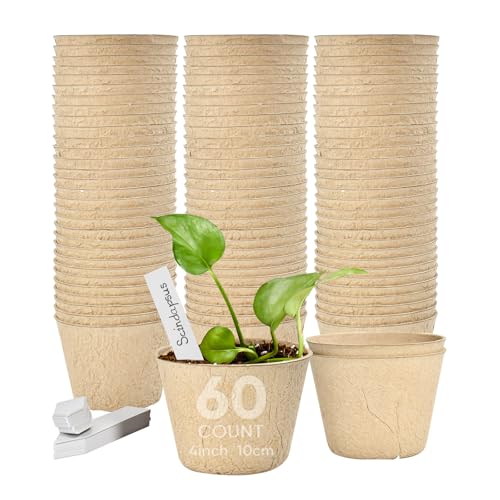
Jolliance provides a bulk option with 60 pots and 60 plant labels, each pot measuring 4 inches in diameter. The peat-based pots are biodegradable and designed to breathe similarly to clay, encouraging a healthy root environment. Drainage holes support seed germination and seedling development, while the included labels help organize different varieties during early growth stages, making it well-suited for mix planting or experiments.
Biodegradable Peat Pots Set — 10 Pieces

This Garden Depot set offers a compact choice for gardeners prioritizing a reduced plastic footprint. Made from 100% biodegradable recycled pulp, these peat pots can be planted directly into soil to minimize root disturbance. They are suitable for indoor or outdoor starts and pair well with small-space setups, windowsills, or classroom-style seed projects.
Buying Guide: Seed-Starting Pots For Every Gardener
Choosing the right seed-starting pots involves balancing material, sustainability, cost, and planting goals. Consider the following factors to ensure your investment aligns with your gardening style:
- Material and biodegradability: Biobased pots and peat-based pots offer compostability or easy soil incorporation, but they may require specific care to prevent rapid deterioration before planting.
- Size and capacity: For tiny herbs and early vegetables, smaller pots save space; for larger herbs or seedlings, bigger pots reduce transplant frequency and stress.
- Root health features: Breathable materials, proper drainage, and aeration promote robust root systems and reduce the likelihood of root rot.
- Transplant ease: Pots designed to degrade or break down in soil can simplify transplanting by minimizing root disturbance, especially when moving to garden beds or larger containers.
- Labeling and organization: If germinating multiple varieties, including plant labels or easy labeling options helps maintain variety records and care instructions.
- Environmental impact: Reusable plastics offer durability, whereas biodegradable options reduce plastic waste—choose based on your long-term maintenance plans and composting habits.
- Accessibility and convenience: Bulk packaging with included tools or labels can improve efficiency when starting many seeds, particularly in community gardens or classrooms.
Practical tips for best results: pre-moisten peat pots before filling them with seed-starting soil, avoid overwatering by ensuring drainage, and harden off seedlings gradually when moving outdoors. For disease prevention, use clean tools and rotate seed varieties annually to minimize pest and disease pressure. By selecting pots that align with your space and goals, you can optimize germination rates and ensure healthier early growth for a wide range of plants.
What To Consider Before You Buy
Before committing to a set, reflect on your gardening environment. Window-sill setups may benefit from smaller, breathable pots with clear labeling. Balcony or greenhouse spaces may favor larger, semi-reusable options for longer seedling life. If your aim is to minimize plastic waste, biodegradable peat pots and plantable designs are appealing, though you may need to transplant earlier to accommodate space. For community gardens or classroom projects, bulk packs with labeling supplies provide efficiency and consistency across batches of seeds.
Seed Starting Best Practices
Regardless of pot choice, maintain consistent warmth and humidity for germination, use a high-quality seed-starting mix, and provide adequate light once sprouts emerge. Label care and watering schedules establish predictable growth patterns. By combining the right pots with mindful cultivation, you can maximize germination success and produce sturdier transplants that thrive in the garden.
Note: Prices and promotions may vary by retailer and season. The product links above provide further details, including exact dimensions and material specifications, to help you make an informed selection that matches your gardening priorities.