Fruit tree training tools help maintain open canopies, improve light exposure, and encourage even fruit development. This guide reviews top limb spreaders designed to open branch angles without damaging bark, focusing on durability, ease of use, and suitability for common orchard settings. Below are five highly relevant options with practical features for home orchards and small farms alike.
| Product | Brand | Length | Key Benefit |
|---|---|---|---|
| WLSANX Fruit Tree Limb Spreader 26T | WLSANX | 10 inch | Protects bark; reusable; improves branch angles |
| WLSANX Fruit Tree Limb Spreader 18T | WLSANX | 7 inch | bark-safe; adjustable angle for young trees |
| LEILIN Limb Spreaders | LEILIN | Various | Sturdy iron with silicone protection; durable |
| Toddmomy 20-Piece Set | Toddmomy | Assorted | Flexible sizing; bright color; strong grip |
| OMISTAR 24 Pcs Set | OMISTAR | Assorted | Galvanized steel; soft rubber wrapping; durable |
WLSANX 26T Branch Puller: Durable 10-Inch Capabilities
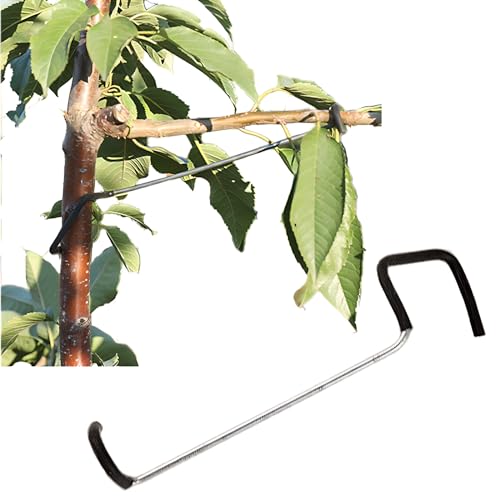
The WLSANX 26T limb spreader features a protective hose-wrapped iron wire design that minimizes bark damage while enabling reliable branch shaping. The 10-inch spreaders are suitable for younger trees, helping to raise drooping limbs into a horizontal plane to encourage fruiting. Their reusable construction supports multiple seasons of use, making them a practical addition to home orchards and small-scale farms.
Key benefits include bark protection, reusability, and clear guidance on optimal pruning angles. This model is particularly appropriate for apple and stone fruit varieties where space and branch diameter vary. When installing, ensure even spacing around the trunk and avoid over-tightening, which could stress the branch.
WLSANX 18T Branch Spreader: Compact Yet Capable

This 7-inch limb spreader from WLSANX prioritizes bark safety with a hose-wrapped iron wire design that reduces bark fraying. It helps keep younger branches horizontal, aligning with typical pruning angles in the 110–130 degree range. The compact size makes it ideal for orchards with densely spaced trees or smaller-scale fruit production setups, where precision and ease of use are essential.
In practice, this spreader supports adjustments to branch angles without requiring heavy equipment, enabling quicker canopy shaping during the growing season. Its reuse potential aligns with sustainable gardening goals, though users should monitor wear on the protective hose wrap after extended use in harsh weather.
LEILIN Limb Spreaders: Practical Iron Build With Bark Protection

LEILIN offers a set of iron branch spreaders designed for fruit trees, pairing a sturdy frame with a black silicone protective layer to minimize bark scratches. These spreaders are described as durable, designed for various tree varieties, and suitable for maintaining open canopies that support light penetration and ventilation. The emphasis on protecting the bark makes this a dependable choice for younger plants and delicate limbs.
From an orchard management perspective, LEILIN spreaders can assist with distribution of growth across the canopy, potentially improving fruit quality over time. The inclusion of protective sleeves is a practical enhancement for users concerned about cosmetic or long-term bark health.
Toddmomy 20-Piece Set: Flexible, Colorful Branch Forms

Toddmomy provides a 20-piece spreader set designed for diverse tree shapes. Made from durable plastic, these spreaders resist harsh outdoor conditions and come in contrasting colors to improve visibility in dense canopies. The kit covers various branch configurations, enabling quick adjustments to horizontal growth and reducing sagging. The bright colors help gardeners avoid accidental contact with branches during operation.
Performance considerations include the balance between material flexibility and structural rigidity. While plastic spreaders offer lightness and ease of handling, users should ensure adequate strength for thicker branches. This set excels in orchards with mixed-sized limbs where quick swapping between tools is advantageous.
OMISTAR 24 Pcs Set: Robust Steel With Soft Wrapping
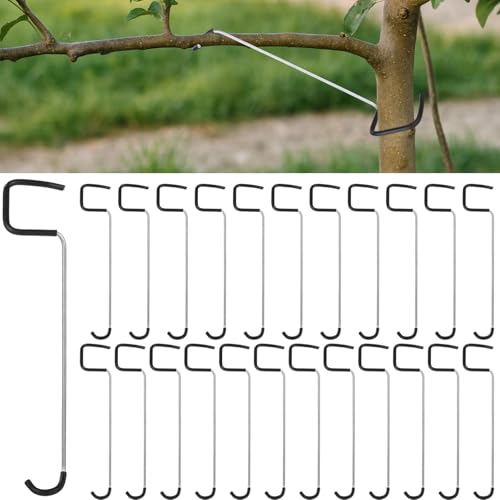
OMISTAR’s 24-piece set emphasizes durability through galvanized steel and a soft rubber wrap to protect bark. This combination supports repeated use across seasons while reducing the risk of bark damage. The kit’s wide range of sizes aids in accommodating trees at different growth stages, from young saplings to more mature limbs, making it a versatile option for diverse orchard layouts.
Users should consider storage needs for a larger kit and verify that the spreaders do not over-bend branches, which could create structural weaknesses if misused. The included soft wraps contribute to healthier trunk and limb surfaces, aligning with long-term tree vigor goals.
Buying Guide: Key Purchase Considerations
- Open angles and pruning targets: Choose spreaders that reliably achieve 110°–135° open angles to promote air flow and fruit development without stressing branches.
- Bark protection: Prioritize hose-wrapped iron wire or silicone-covered components to minimize bark damage during installation and removal.
- Durability and materials: Galvanized steel and reinforced plastics are common; assess weather resistance and life expectancy for your climate and orchard size.
- Size and compatibility: Consider tree spacing and branch diameter. Sets offering multiple lengths (e.g., 7″, 10″) provide versatility for different tree ages.
- Ease of use: Look for lightweight, color-coded, and clearly defined grip areas to simplify installation, especially for first-time users.
- Set completeness: Larger sets can cover more ground but require storage. Determine whether you need a mix of small and large spreaders or a single uniform size.
- Reuse and maintenance: Ensure parts can be cleaned and stored after harvest, and check whether the protective wraps are replaceable.
- Tree type considerations: Apple, cherry, peach, and citrus trees may respond differently to limb shaping; confirm tool compatibility with your species and age.
- Cost vs. benefit: Weigh upfront kit costs against expected lifespan and seasonal utility, particularly for backyard growers vs. commercial operations.
Design decisions should align with orchard management goals: improving light distribution, reducing disease risk by preventing overcrowding, and supporting uniform fruit ripening. While mass-market sets offer broad coverage, targeted selections for younger trees or specific branch diameters may yield better initial results. Regular inspection of treated limbs helps ensure continued tree health and the effectiveness of the training process.