Selecting the right rock pebbles can transform any landscape, from garden beds to walkways. This guide highlights five well-reviewed options that balance color, size, and durability for American yards. Each product is evaluated for versatility, maintenance, and suitability for both outdoor and indoor uses. The table below summarizes key details to help you compare at a glance.
| Product | Brand | Size/Weight | Color Range | Best For |
|---|---|---|---|---|
| FANTIAN 20 lbs Natural River Rocks | FANTIAN | 20 lb; 2-3 inches | Mixed colors | Walkways, decorative borders |
| Mulctun 45LB Natural White Rocks | Mulctun | 45 lb; 1/4″-3/4″ | White | Potted plants, edging, pathways |
| Mulctun 45LB Polished Black Pebbles | Mulctun | 45 lb; 1/4″-3/4″ | Black | Vases, planters, pathways |
| NUPICK 16lb White River Rocks | NUPICK | 16 lb; 1-2 inches | White/gray with natural variation | Indoor plants, vase fillers |
| Virekm River Rocks | Virekm | Varies; small pieces | Natural browns, whites, blacks | Plant displays, aquariums, crafts |
FANTIAN Natural River Rocks for Landscaping
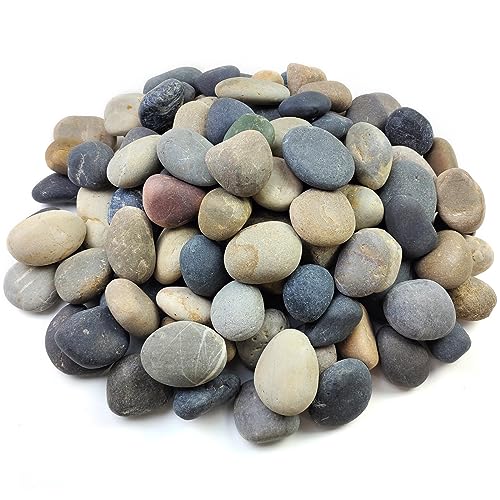
FANTIAN’s river rocks come in a variety of mixed colors with 2-3 inch dimensions, making them suitable for edging, garden pathways, and decorative features. The stones are non-toxic and unpolished, providing a natural look without dyes or fillers. They are described as clean and smooth, contributing to a low-dust experience during installation. Mixed colors enhance visual interest in borders and rock gardens. Dry versus wet surfaces reveal different hues, a trait that helps create dynamic landscaping accents.
Mulctun Natural White Rocks for Pots and Paths

Mulctun white rocks are polished to smooth edges, with an average size of 1/4″-3/4″ and a total weight of 45 pounds. The polished surface helps maintain a clean aesthetic for potted plants, landscapes, and walkways while aiding soil moisture retention. The white stones add a refined accent to planters and can visually brighten shaded areas. They’re noted for providing color contrast and texture diversity in garden pathways.
Mulctun Polished Black Pebbles for Landscaping
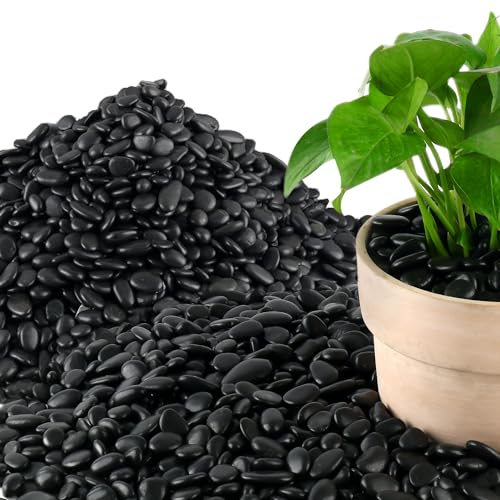
These black pebbles range from 1/4″ to 3/4″ and are polished with a wax finish to maintain color and gloss. They require no fillers or dyes, ensuring a natural look. The stones are versatile for top-dressing soil in pots to improve drainage and reduce moisture-related issues, or as decorative ground cover in beds and borders. Expect a deep, even color when wet, which enhances contrast with lighter plant foliage.
NUPICK White River Rocks for Indoor And Outdoor Use

NUPICK offers 16 pounds of white decorative rocks sized around 1-2 inches, lightly polished for a smooth feel. The stones resist fading and are dye-free, making them suitable for indoor plants, terrariums, and decorative vases. They’re described as ready for immediate use and help deter pests when used on top of soil. Bottom placement aids drainage and aeration, supporting healthier root systems in planters.
Virekm Decorative River Rocks for Interiors And Exteriors
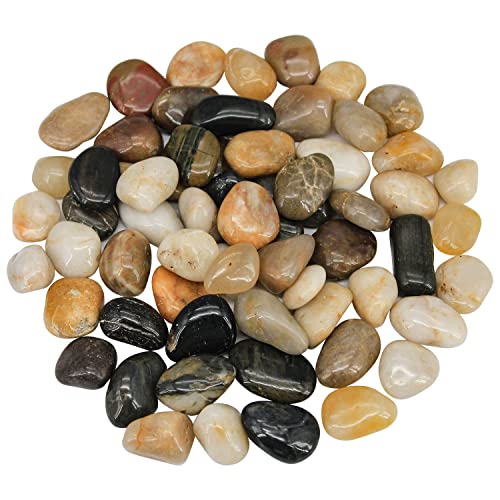
Virekm decorative stones are natural and lightly polished, offering a range of browns, whites, and blacks. They are versatile for indoor and outdoor use in flower arrangements, vase fillers, sidewalks, water features, and garden accents. The stones are small and smooth, with an emphasis on safe handling and broad compatibility with various decor styles. They provide a cohesive look for mixed plant displays and small-scale landscapes.
Buying Guide: Key Purchase Considerations
- Size and scale: Choose pebble sizes that suit your project. Larger stones (2-3 inches) are ideal for walkways and edging, while smaller pebbles (1/4-3/4 inch) work well for planter tops and ground covers.
- Color and finish: Polished vs. natural finishes affect visual impact. Polished black or white stones create strong contrasts, while mixed-color rocks offer a natural, varied appearance.
- Durability and weathering: Natural river rocks endure outdoor conditions, but consider local climate and sun exposure. Lighter colors may show stains or algae more readily in damp climates.
- Safety and handling: Some stones have sharp edges or rough textures. Polished stones are gentler on hands and plant roots, especially in pots and terrariums.
- Maintenance: Stones generally require little maintenance, but stained or weathered rocks can benefit from rinsing and occasional cleaning. Sealing is rarely necessary for decorative uses, unless you want enhanced gloss in specific applications.
- Placement strategy: Use darker stones to anchor borders and pathways; lighter tones can brighten shaded areas or highlight plants. Combining colors strategically can create depth and focal points.
- Environmental impact: Look for stones sourced without dyes or fillers. Non-toxic, natural stones minimize potential soil contamination and support eco-friendly landscaping.
- Budget and weight: River rocks are heavy; plan for transportation and delivery. For large projects, consider mixed-color options to achieve a cohesive look at a potentially lower cost per square foot.
- Versatility: Consider whether you need stones for planters, water features, decorative trays, or aquarium displays. Some stones are better suited to specific uses due to size and finish.
Across these selections, the common advantages include natural appearance, low maintenance, and broad applicability for the American yard. Choosing a combination of colors and sizes can create layered textures, improve drainage, and provide enduring visual appeal for lawns, gardens, and indoor displays alike.